

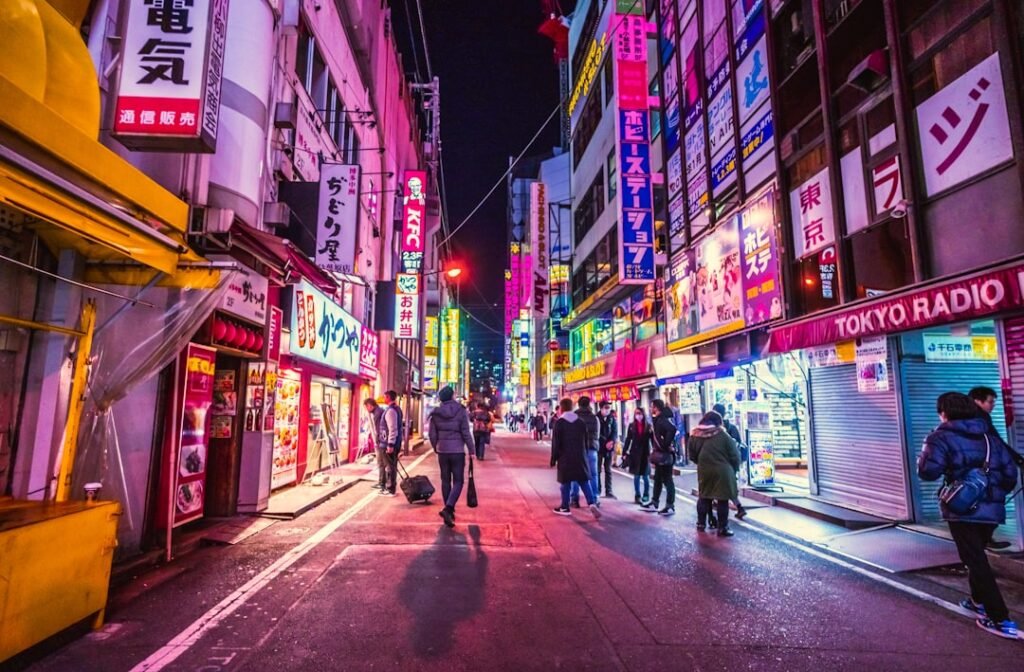
When navigating the vibrant markets and shops of Japan, knowing how to ask for prices is essential for any traveller or language learner. The most straightforward way to inquire about the cost of an item is to use the phrase “これはいくらですか?” (Kore wa ikura desu ka?), which translates to “How much is this?” This phrase is versatile and can be used in various contexts, whether you are pointing to a piece of clothing, a souvenir, or a delicious dish at a restaurant. Mastering this basic phrase will undoubtedly enhance your shopping experience and facilitate smoother interactions with local vendors.
In addition to the aforementioned phrase, it is also beneficial to learn how to ask about prices in a more specific manner. For instance, if you are interested in a particular item, you might say “あれはおいくらですか?” (Are wa oikura desu ka?), meaning “How much is that over there?” This slight variation allows you to direct your inquiry towards a specific object, making it easier for the seller to understand your request. Familiarising yourself with these basic phrases will serve as a solid foundation for further exploration of price-related conversations in Japanese. Learn Japanese at the Norwegian Language School.
Summary
- When asking for prices in Japan, it’s important to use basic phrases such as “Ikura desu ka?” (How much is it?) to initiate the conversation.
- Polite forms of asking for prices include adding “sumimasen” (excuse me) or “onegaishimasu” (please) before the price inquiry.
- Casual forms of asking for prices can be used with friends or in informal settings, using phrases like “Kore wa ikura?” (How much is this?)
- When inquiring about prices, it’s essential to be familiar with numbers and currency in Japanese, such as “en” for yen and “hyaku” for hundred.
- It’s important to differentiate between asking for the price of an item (“kore wa ikura desu ka?”) and asking for the total cost (“zenbu de ikura desu ka?”) when making a purchase.
- Understanding responses to price inquiries involves being attentive to the seller’s tone and body language, as well as the actual price quoted.
- Negotiating prices in Japanese culture requires a respectful and patient approach, as well as a willingness to compromise.
- Common expressions for expressing surprise or disbelief at a price include “Sugoi!” (Amazing!) or “Maji de?” (Really?)
- Tips for polite and respectful communication when discussing prices include maintaining a friendly and courteous tone, as well as showing appreciation for the seller’s time and assistance.
- Cultural considerations when asking for prices in Japan involve being mindful of hierarchical relationships and the importance of saving face in negotiations.
- Practice exercises for asking for prices in Japanese can help improve language skills and confidence in real-life situations.
Polite Forms of Asking for Prices
Politeness is a cornerstone of Japanese culture, and this extends to how one asks about prices. While the basic phrases mentioned earlier are perfectly acceptable, using more formal language can demonstrate respect and consideration for the person you are speaking with. A polite way to ask for the price of an item is to say “失礼ですが、これはいくらでしょうか?” (Shitsurei desu ga, kore wa ikura deshou ka?), which translates to “Excuse me, but how much is this?” This phrase not only conveys your inquiry but also acknowledges the seller’s presence and expertise.
Another polite variation is “お値段を教えていただけますか?” (Onedan o oshiete itadakemasu ka?), meaning “Could you please tell me the price?” This expression is particularly useful in more formal settings, such as high-end shops or when dealing with customer service representatives. By incorporating these polite forms into your vocabulary, you will not only enhance your language skills but also foster positive interactions with those you encounter during your time in Japan.
Casual Forms of Asking for Prices
While politeness is crucial in many situations, there are also times when a more casual approach is appropriate, especially among friends or in informal settings. In such cases, you might simply ask “これ、いくら?” (Kore, ikura?), which translates to “How much is this?” This straightforward question is easy to remember and can be used in relaxed environments where formality is less important. Another casual expression you might encounter is “あれ、いくら?” (Are, ikura?), meaning “How much is that?” This phrase can be used when pointing at an item that is not immediately in front of you.
Casual forms of asking for prices are particularly useful when engaging with peers or when you feel comfortable in a less formal context. However, it’s essential to gauge the situation and adjust your language accordingly to maintain respect and courtesy.
Using Numbers and Currency in Price Inquiries
Understanding numbers and currency is vital when discussing prices in Japan. The Japanese yen (円, en) is the official currency, and it’s important to familiarise yourself with its denominations. When asking about prices, incorporating numbers into your inquiries can be helpful.
For example, if you want to know if an item costs 1000 yen, you could ask “これは千円ですか?” (Kore wa sen en desu ka?), meaning “Is this 1000 yen?” Additionally, learning how to count in Japanese will significantly enhance your ability to engage in price discussions. The numbers from one to ten are: 一 (ichi), 二 (ni), 三 (san), 四 (shi/yon), 五 (go), 六 (roku), 七 (shichi/nana), 八 (hachi), 九 (kyuu), and 十 (juu). By mastering these basic numbers, you will be able to understand prices better and communicate more effectively when making inquiries.
Differentiating Between Asking for the Price of an Item and Asking for the Total Cost
When discussing prices in Japanese, it’s crucial to differentiate between asking for the price of a single item and inquiring about the total cost of multiple items. To ask about the price of an individual item, you would use phrases like “これはいくらですか?” (Kore wa ikura desu ka?). However, if you want to know the total cost of several items, you might say “全部でいくらですか?” (Zenbu de ikura desu ka?), which translates to “How much is it altogether?” This distinction is particularly important when shopping at markets or stores where you may be purchasing multiple items at once.
Being clear about whether you are asking for the price of one specific item or the total cost will help avoid confusion and ensure that your inquiries are understood correctly.
Understanding Responses to Price Inquiries
Once you have asked about the price of an item, it’s essential to understand how to interpret the responses you receive. A common reply might be “それは千円です” (Sore wa sen en desu), meaning “That is 1000 yen.” It’s helpful to listen carefully for numbers and currency terms in these responses. Additionally, sellers may sometimes provide further information about discounts or promotions, so being attentive can lead to better deals.
If the price is higher than expected, you might hear phrases like “少し高いです” (Sukoshi takai desu), meaning “It’s a bit expensive.” Understanding these nuances will not only help you grasp the conversation but also allow you to respond appropriately based on the information provided.
Negotiating Prices in Japanese Culture
Negotiating prices can be a delicate matter in Japan, as cultural norms often dictate a more fixed pricing structure compared to some other countries. However, there are still opportunities for negotiation, particularly in markets or when purchasing multiple items. When attempting to negotiate, it’s essential to approach the conversation with respect and politeness.
A useful phrase during negotiations might be “もう少し安くなりませんか?” (Mou sukoshi yasuku narimasen ka?), which translates to “Could it be a little cheaper?” This expression shows that you are interested in making a deal while maintaining a respectful tone. Remember that successful negotiation often relies on building rapport with the seller, so taking the time to engage in friendly conversation can go a long way.
Common Expressions for Expressing Surprise or Disbelief at a Price
When faced with unexpectedly high prices, it’s natural to express surprise or disbelief. In Japanese culture, there are several phrases that can convey this sentiment without coming across as rude. For instance, you might say “えっ、高いですね!” (Ehh, takai desu ne!), which means “Oh wow, that’s expensive!” This expression captures your astonishment while remaining polite.
Another common phrase is “本当にその値段ですか?” (Hontou ni sono nedan desu ka?), translating to “Is that really the price?” This question not only expresses disbelief but also invites clarification from the seller. Using these expressions thoughtfully can help convey your feelings while maintaining a respectful dialogue.
Tips for Polite and Respectful Communication When Discussing Prices
When discussing prices in Japan, maintaining politeness and respect is paramount. Always begin your inquiries with a greeting or an expression of gratitude, such as “ありがとうございます” (Arigatou gozaimasu), meaning “Thank you.” This sets a positive tone for the conversation and shows appreciation for the seller’s time. Additionally, using appropriate body language can enhance your communication.
Bowing slightly when asking questions or expressing gratitude demonstrates respect for Japanese customs. Furthermore, maintaining eye contact while speaking conveys sincerity and engagement. By combining verbal politeness with respectful non-verbal cues, you will create a more favourable atmosphere for discussing prices.
Cultural Considerations When Asking for Prices in Japan
Cultural nuances play a significant role in how price inquiries are perceived in Japan. It’s important to remember that haggling may not be as common in certain retail environments as it is in others. In department stores or chain shops, prices are typically fixed, and negotiating may be frowned upon.
Conversely, at local markets or small shops, there may be more flexibility. Understanding these cultural contexts will help you navigate price discussions more effectively. Additionally, being aware of local customs regarding payment methods—such as using cash rather than credit cards—can further enhance your shopping experience and demonstrate cultural sensitivity.
Practice Exercises for Asking for Prices in Japanese
To solidify your understanding of asking for prices in Japanese, engaging in practice exercises can be immensely beneficial. One exercise could involve role-playing scenarios where one person acts as the seller while another asks about prices using various phrases learned throughout this article. This interactive approach allows learners to apply their knowledge in real-life situations.
Another effective exercise could involve creating flashcards with different items and their corresponding prices written in Japanese yen. Practising asking about these items using both polite and casual forms will reinforce your language skills while building confidence in price-related conversations. By consistently practising these phrases and scenarios, you will become more adept at navigating price inquiries during your time in Japan.
In conclusion, mastering the art of asking for prices in Japanese involves understanding basic phrases, cultural nuances, and effective communication strategies. The NLS Norwegian Language School offers comprehensive Japanese courses that delve into these topics and more. With expert instructors and immersive learning experiences, students can develop their language skills while gaining insights into Japanese culture.
Whether you’re preparing for travel or simply looking to expand your linguistic repertoire, NLS provides an excellent platform for learning Japanese effectively and respectfully.
Ready to speak Japanese? Enroll for Japanese classes at the NLS Norwegian Language School!




