

In Japanese culture, the act of making plans is not merely a logistical necessity; it is a reflection of respect, consideration, and social harmony. The Japanese place a high value on relationships, and planning gatherings or outings is a way to nurture these connections. When individuals take the time to arrange meetings, it demonstrates their commitment to maintaining friendships and fostering a sense of community.
This cultural nuance is deeply embedded in the social fabric of Japan, where group cohesion and mutual understanding are paramount. Moreover, making plans in Japan often involves a level of formality that may seem excessive to outsiders. The Japanese tend to approach social interactions with a sense of duty and obligation, which can manifest in the meticulousness of their planning.
This attention to detail ensures that everyone involved feels valued and included. As such, understanding the importance of making plans in Japanese culture is essential for anyone looking to engage meaningfully with Japanese friends or colleagues. Unlock the rich world of Japanese culture, from anime to ancient traditions.
Summary
- Making plans is highly valued in Japanese culture, as it shows respect and consideration for others’ time.
- Learning basic Japanese phrases for making plans is essential for effective communication and building relationships.
- Using polite language, such as honorifics and formal speech, is important when making plans in Japanese to show respect.
- Suggesting activities and places to meet up in Japanese requires cultural awareness and understanding of social norms.
- Discussing dates and times in Japanese involves being clear and considerate, as punctuality is highly valued in Japanese culture.
Learning Basic Japanese Phrases for Making Plans
To effectively communicate when making plans in Japanese, it is crucial to familiarise oneself with some basic phrases. Starting with simple expressions can significantly enhance your ability to engage in conversations about social gatherings. For instance, phrases like “いつ会いましょうか?” (itsu aimashou ka?), meaning “When shall we meet?”, or “どこで会いましょうか?” (doko de aimashou ka?), which translates to “Where shall we meet?”, are fundamental building blocks for initiating discussions about plans.
Additionally, incorporating polite expressions into your vocabulary can further enrich your interactions. For example, saying “お時間はありますか?” (ojikan wa arimasu ka?), meaning “Do you have time?”, shows consideration for the other person’s schedule. By mastering these basic phrases, you will not only be able to propose plans but also demonstrate respect for your friends’ time and commitments.
Using Polite Language when Making Plans in Japanese
Politeness is a cornerstone of Japanese communication, especially when it comes to making plans. The use of keigo, or honourific language, is essential in ensuring that your requests are received positively. When suggesting a meeting, it is advisable to use polite forms of verbs and expressions.
For instance, instead of simply saying “行こう” (ikou – “let’s go”), one might say “行きませんか?” (ikimasen ka? – “Shall we go?”), which softens the suggestion and invites agreement rather than imposing a decision. Furthermore, acknowledging the other person’s preferences and availability is vital in maintaining harmony.
Phrases like “ご都合はいかがですか?” (go tsugou wa ikagadesu ka?), meaning “How does your schedule look?”, reflect an understanding of the importance of mutual convenience. By employing polite language, you not only convey your intentions clearly but also foster an atmosphere of respect and consideration.
Suggesting Activities and Places to Meet Up in Japanese
When it comes to suggesting activities or venues for meet-ups, having a repertoire of relevant vocabulary can be incredibly beneficial. Whether it’s proposing a casual coffee at a café or suggesting a more formal dinner, being able to articulate your ideas clearly will enhance the planning process. For example, you might say “カフェに行きませんか?” (kafe ni ikimasen ka?
– “Shall we go to a café?”) or “レストランで食事をしましょう” (resutoran de shokuji o shimashou – “Let’s have a meal at a restaurant”). Additionally, being aware of popular local spots can help you make more appealing suggestions. Mentioning well-known places or activities that resonate with your friends’ interests can make your proposals more enticing.
For instance, if you know your friend enjoys art, you might suggest visiting an exhibition: “美術館に行くのはどうですか?” (bijutsukan ni iku no wa dou desu ka? – “How about going to the art museum?”). This not only shows that you are considerate of their preferences but also enhances the likelihood of a positive response.
Discussing Dates and Times in Japanese
Once you have established a general idea for your plans, discussing specific dates and times becomes the next step. In Japanese culture, clarity is key when it comes to scheduling. Using phrases like “来週の土曜日はどうですか?” (raishuu no doyoubi wa dou desu ka?
– “How about next Saturday?”) helps pinpoint a specific day while inviting input from the other person. When discussing times, it is important to be precise as well. You might say “午後3時に会いましょう” (gogo san-ji ni aimashou – “Let’s meet at 3 PM”).
This level of specificity not only aids in avoiding misunderstandings but also demonstrates your commitment to making the plans work smoothly. Additionally, being flexible and open to suggestions regarding timing can further enhance the planning process, as it shows that you value the other person’s input.
Confirming Plans and Making Adjustments in Japanese

After establishing the details of your plans, confirming them is an essential step in ensuring that everyone is on the same page. In Japanese culture, it is common practice to reiterate the agreed-upon details as a form of courtesy. You might say “では、来週の土曜日の午後3時にカフェで会いましょう” (dewa, raishuu no doyoubi no gogo san-ji ni kafe de aimashou – “So, let’s meet at the café next Saturday at 3 PM”).
This not only reinforces the arrangement but also provides an opportunity for any last-minute adjustments. If changes need to be made due to unforeseen circumstances, addressing them promptly and politely is crucial. Using phrases like “すみませんが、予定が変わりました” (sumimasen ga, yotei ga kawarimashita – “I’m sorry, but my plans have changed”) shows respect for the other person’s time while allowing for flexibility in rescheduling.
This approach fosters understanding and maintains the integrity of your relationship.
Dealing with Unexpected Changes in Plans in Japanese
Life is unpredictable, and sometimes plans must change unexpectedly. In such situations, how you communicate these changes can significantly impact your relationships. The key is to approach the conversation with sincerity and politeness.
For instance, if you need to cancel a meeting, saying “申し訳ありませんが、行けなくなりました” (moushiwake arimasen ga, ikenakunari mashita – “I’m very sorry, but I can’t make it”) conveys your regret while acknowledging the inconvenience caused. Moreover, offering alternative dates or times can help mitigate any disappointment. You might suggest, “来週の水曜日はどうですか?” (raishuu no suiyoubi wa dou desu ka?
– “How about next Wednesday?”). This not only shows that you value the relationship but also demonstrates your willingness to make amends and find a suitable solution.
Using Technology to Coordinate Plans with Friends in Japanese
In today’s digital age, technology plays an integral role in coordinating plans with friends. Various messaging apps and social media platforms have made it easier than ever to communicate and organise gatherings. In Japan, popular applications like LINE are widely used for this purpose.
When using these platforms, incorporating Japanese phrases can enhance your interactions and make them feel more personal. For example, sending a message like “今週末に会いたいです” (konshuu matsu ni aitai desu – “I want to meet this weekend”) can initiate discussions about potential meet-ups. Additionally, using features like polls or group chats allows for collaborative planning where everyone can contribute their availability and preferences.
This modern approach not only streamlines the planning process but also reflects the evolving nature of social interactions in contemporary Japan.
Exploring Japanese Etiquette for Making Plans with Friends
Understanding Japanese etiquette is essential when making plans with friends. The cultural emphasis on harmony means that being considerate of others’ feelings is paramount. For instance, when proposing plans, it is customary to phrase suggestions in a way that allows for easy refusal without causing embarrassment.
Instead of directly asking someone if they want to meet up, framing it as an invitation can be more appropriate: “もしよろしければ、今度一緒に食事をしませんか?” (moshi yoroshikereba, kondo issho ni shokuji o shimasen ka? – “If it’s alright with you, would you like to have a meal together sometime?”). Additionally, being punctual is highly valued in Japanese culture.
Arriving on time for meetings demonstrates respect for others’ schedules and reinforces your commitment to the relationship. If you anticipate being late, it is courteous to inform your friends as soon as possible: “遅れますので、すみません” (okuremasu node, sumimasen – “I’m going to be late; I’m sorry”). Such gestures reflect an understanding of social norms and contribute positively to your interactions.
Handling Split Bills and Expenses when Making Plans with Friends in Japanese
When socialising in Japan, discussions around expenses can sometimes be delicate. Traditionally, it has been common for one person to cover the bill as a gesture of goodwill; however, this practice has evolved with younger generations often opting for split bills instead. When discussing how to handle expenses after a meal or outing, using clear language can help avoid misunderstandings.
You might say “割り勘にしましょうか?” (warikan ni shimashou ka? – “Shall we split the bill?”) when suggesting this approach. It’s important to gauge your friends’ reactions; if they seem hesitant or prefer another method, being adaptable is key.
If someone insists on treating others, graciously accepting their offer while expressing gratitude is customary: “ありがとうございます、次回は私が払います” (arigatou gozaimasu, jikai wa watashi ga harai masu – “Thank you very much; I’ll pay next time”). This exchange fosters goodwill and strengthens friendships.
Enjoying Socializing with Friends in Japanese Culture
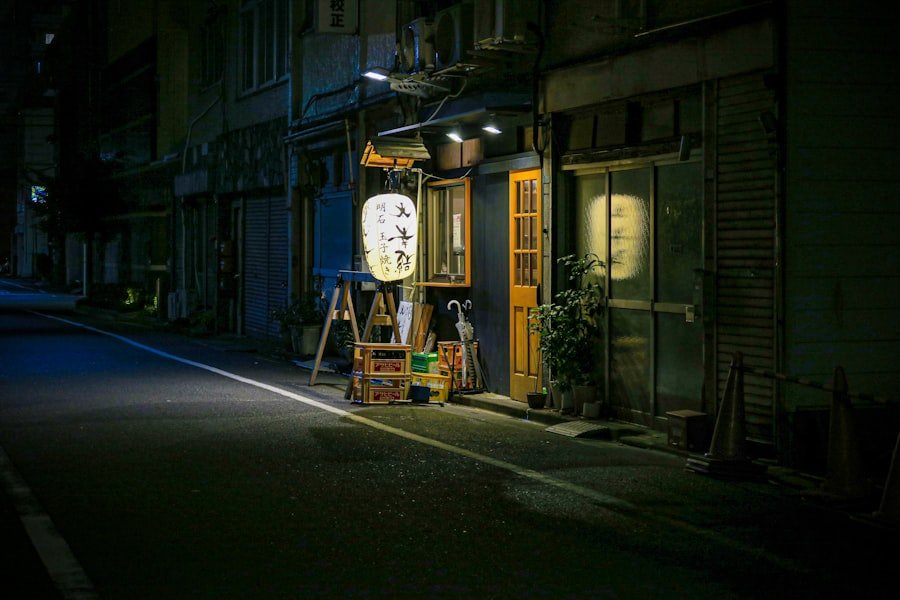
Socialising with friends is an integral part of Japanese culture that goes beyond mere entertainment; it serves as a vital means of building relationships and creating lasting memories. Whether it’s enjoying a casual meal at an izakaya or participating in seasonal festivals together, these shared experiences contribute significantly to one’s social life. The joy derived from spending time with friends often transcends language barriers; laughter and camaraderie are universal.
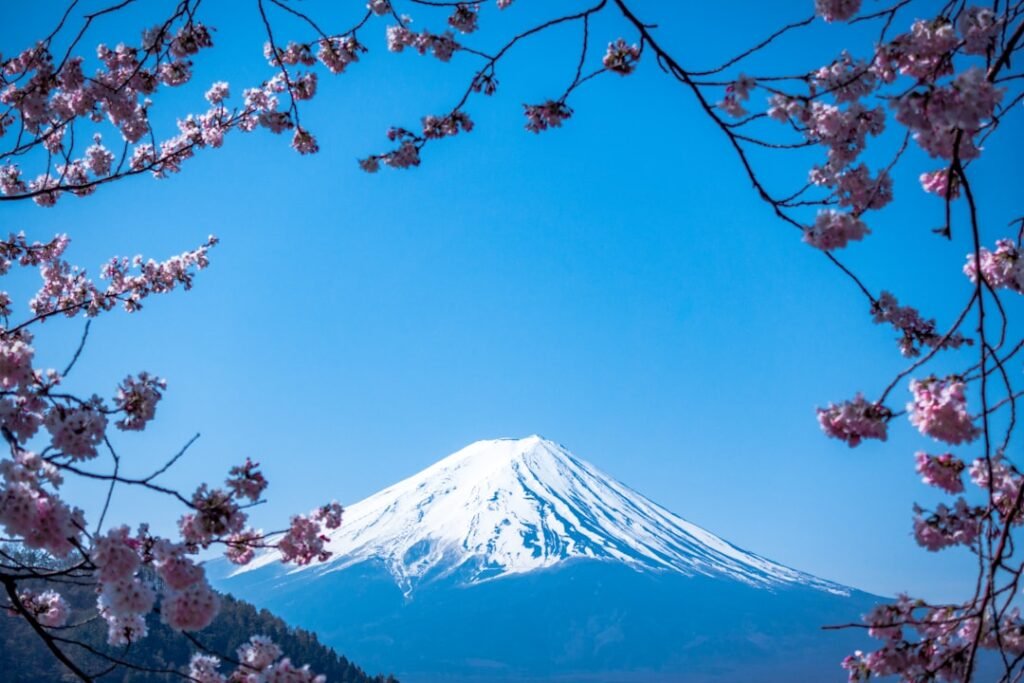
Moreover, engaging in traditional activities such as hanami (cherry blossom viewing) or participating in summer matsuri (festivals) provides unique opportunities for bonding and cultural exchange. These events often involve planning ahead—whether it’s arranging transportation or coordinating schedules—making it essential to apply all the skills discussed earlier in this article. Ultimately, embracing these social customs not only enriches one’s understanding of Japanese culture but also fosters deeper connections with friends.
As you navigate the intricacies of making plans within this cultural context, consider enhancing your language skills through dedicated courses at institutions like the NLS Norwegian Language School in Oslo. Their comprehensive Japanese courses offer tailored instruction that focuses on practical communication skills essential for social interactions—perfect for anyone looking to immerse themselves fully in Japanese culture while forging meaningful connections with friends both locally and abroad.
Your Japanese journey starts in Oslo. Join our classes at NLS and sign up today!




