


Korean culture is deeply rooted in the values of politeness and respect, which are integral to social interactions. This cultural framework is influenced by Confucian principles that emphasise hierarchy and the importance of maintaining harmonious relationships. In everyday life, Koreans often use specific language forms and gestures to convey respect, particularly towards elders or those in positions of authority.
This cultural norm extends to various aspects of communication, including greetings, farewells, and even casual conversations. Understanding this context is crucial for anyone looking to engage meaningfully with Korean speakers. When interacting with Koreans, it is essential to be mindful of the nuances of politeness.
For instance, using appropriate titles and honourifics when addressing someone can significantly impact the tone of the conversation. A simple greeting can transform from a casual exchange to a respectful acknowledgment by incorporating these elements. Therefore, when asking for something as simple as a Wi-Fi password, it is advisable to approach the request with a polite tone and appropriate language, reflecting the cultural emphasis on respect. Learn Korean in Oslo! NLS Norwegian Language School is now offering classes. Register today.
Summary
- Politeness and respect are highly valued in Korean culture, so it’s important to use formal language and gestures when interacting with others.
- When asking for the Wi-Fi password in Korean, you can use the phrase “와이파이 비밀번호 좀 알려주세요” (waipai bimilbeonho jom allyeojuseyo).
- Understanding Korean pronunciation can be challenging, but practicing with native speakers and using language learning apps can help improve your skills.
- It’s crucial to know when to use formal and informal language in Korean, as it reflects your level of respect towards the person you are speaking to.
- Common responses to asking for the Wi-Fi password in Korean include “네, 여기 있어요” (ne, yeogi isseoyo) which means “Yes, here it is” and “죄송하지만 모르겠어요” (joesonghajiman moreugesseoyo) which means “I’m sorry, but I don’t know”.
- Non-verbal communication, such as bowing and maintaining eye contact, is an important aspect of Korean culture and should be observed when interacting with others.
- To remember the Wi-Fi password in Korean, try creating a mnemonic device or writing it down in a notebook or on your phone.
- When connecting to Wi-Fi in Korea, look for the network name (SSID) and enter the password using the Korean keyboard on your device.
- When asking for the Wi-Fi password in Korea, be mindful of cultural considerations and always remember to express gratitude after receiving the password.
- Some common Wi-Fi password phrases in Korean include “와이파이 비밀번호가 뭐에요?” (waipai bimilbeonhoga mwoeyo) which means “What is the Wi-Fi password?” and “와이파이 비밀번호 주세요” (waipai bimilbeonho juseyo) which means “Please give me the Wi-Fi password”.
- Resources for learning Korean Wi-Fi phrases include language learning websites, mobile apps, and online forums where you can practice and interact with native speakers.
Basic Korean Phrases for Asking for the Wi-Fi Password
When you find yourself in a situation where you need to ask for the Wi-Fi password in Korea, knowing a few basic phrases can be incredibly helpful. One of the simplest ways to ask is by saying, “Wi-Fi 비밀번호가 뭐예요?” (Wi-Fi bimilbeonhwaga mwoyeyo?), which translates to “What is the Wi-Fi password?” This phrase is straightforward and polite, making it suitable for most situations. Additionally, you might want to preface your request with a polite greeting or expression of gratitude, such as “안녕하세요” (annyeonghaseyo) meaning “Hello,” or “감사합니다” (gamsahamnida) meaning “Thank you.” Another useful phrase is “Wi-Fi를 사용할 수 있을까요?” (Wi-Fi-reul sayonghal su isseulkkayo?), which means “Can I use the Wi-Fi?” This question not only inquires about the password but also shows respect for the host’s resources.
By using these phrases, you demonstrate an understanding of the local language and culture, which can foster goodwill and enhance your interactions.
Understanding Korean Pronunciation

Korean pronunciation can be challenging for learners due to its unique sounds and phonetic structure. The Korean alphabet, Hangul, consists of 14 basic consonants and 10 basic vowels, which combine to form syllables. Each syllable block typically contains a consonant followed by a vowel, and sometimes an additional consonant at the end.
Mastering these sounds is essential for effective communication, especially when asking for something like a Wi-Fi password. One common difficulty for English speakers is distinguishing between similar sounds in Korean. For example, the sounds represented by ‘ㄱ’ (g/k) and ‘ㅋ’ (k) can be subtle yet significant in meaning.
Practising these sounds through repetition and listening exercises can greatly improve pronunciation skills. Additionally, paying attention to intonation and rhythm in spoken Korean will help learners sound more natural when asking questions or making requests.
Using Formal and Informal Language in Korean
Korean language features distinct levels of formality that reflect social hierarchies and relationships. When speaking to someone older or in a position of authority, it is customary to use formal language. Conversely, informal language is reserved for close friends or younger individuals.
This distinction is crucial when asking for the Wi-Fi password; using the appropriate level of formality can convey respect and politeness. For instance, if you are speaking to a stranger or an elder, you would use formal phrases like “Wi-Fi 비밀번호가 뭐예요?” (What is the Wi-Fi password?). However, if you are among friends or peers, you might opt for a more casual approach, such as “Wi-Fi 비밀번호 뭐야?” (What’s the Wi-Fi password?).
Understanding when to switch between these forms can enhance your communication skills and help you navigate social situations more effectively.
Common Responses to Asking for the Wi-Fi Password
When you ask for the Wi-Fi password in Korean, you may receive various responses depending on the context and the person you are speaking with. A common reply might be simply stating the password itself, such as “비밀번호는 1234입니다” (The password is 1234). In this case, it’s important to listen carefully and repeat the password back to ensure you have understood correctly.
Sometimes, the response may include additional information or instructions. For example, someone might say, “비밀번호는 1234이고, 사용하려면 Wi-Fi를 켜세요” (The password is 1234, and please turn on your Wi-Fi). This kind of response not only provides the necessary information but also guides you on how to connect effectively.
Being attentive to these nuances can help you navigate conversations smoothly.
Non-Verbal Communication in Korean Culture
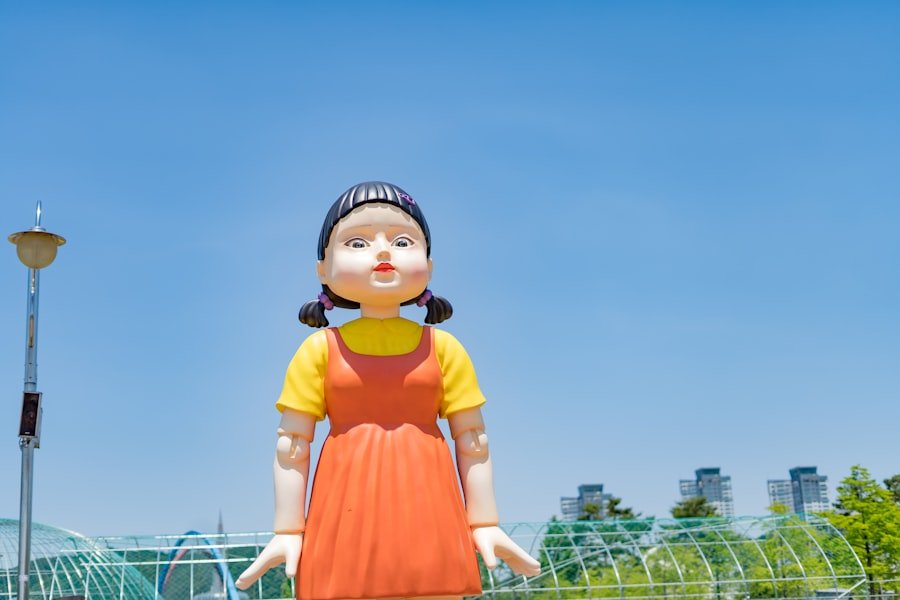
Non-verbal communication plays a significant role in Korean culture and can often convey messages that words alone cannot express. Gestures, facial expressions, and body language are all integral components of communication in Korea. For instance, bowing is a common gesture used to show respect during greetings or farewells.
When asking for the Wi-Fi password, a slight bow while making your request can enhance your politeness. Moreover, maintaining eye contact is important in Korean culture as it signifies attentiveness and sincerity. However, prolonged eye contact may be perceived as confrontational or disrespectful in certain contexts.
Therefore, it’s essential to strike a balance between engaging with your interlocutor while being mindful of cultural expectations regarding non-verbal cues.
Tips for Remembering the Wi-Fi Password in Korean
Remembering a new Wi-Fi password can be challenging, especially if it’s presented in a foreign language. To aid retention, try associating the password with something familiar or creating a mnemonic device that links it to an image or concept you already know. For example, if the password is “사과123” (apple123), visualising an apple while repeating the password can help reinforce your memory.
Another effective strategy is to write down the password in Hangul along with its English translation. This practice not only helps with memorisation but also reinforces your understanding of Korean characters and pronunciation. Repeating the password aloud several times after learning it can further solidify your recall ability.
How to Connect to Wi-Fi in Korea
Connecting to Wi-Fi in Korea typically involves a few straightforward steps that may vary slightly depending on your device. First, ensure that your device’s Wi-Fi function is enabled. Then, scan for available networks; you should see a list of Wi-Fi options displayed on your screen.
Look for the network name provided by your host or establishment. Once you select the correct network, you will be prompted to enter the password. This is where your earlier preparation comes into play; inputting the correct characters from Hangul will ensure successful connection.
After entering the password, simply click ‘Connect,’ and within moments, you should be online and ready to browse.
Cultural Considerations When Asking for the Wi-Fi Password
When requesting the Wi-Fi password in Korea, it’s essential to consider cultural norms that govern social interactions. As previously mentioned, politeness is paramount; therefore, framing your request respectfully will likely yield a positive response. Additionally, timing can play a role; asking during a busy moment may not be well received.
It’s also worth noting that some establishments may have specific policies regarding Wi-Fi access. In cafes or restaurants, for instance, it’s common practice to provide passwords only upon request or after making a purchase. Being aware of these nuances can help you navigate social situations more effectively while respecting local customs.
Common Wi-Fi Password Phrases in Korean
In addition to asking for the Wi-Fi password itself, there are several common phrases related to Wi-Fi access that may come in handy during your stay in Korea. For example, “Wi-Fi가 느려요” (The Wi-Fi is slow) or “Wi-Fi가 끊겼어요” (The Wi-Fi has disconnected) are useful phrases if you encounter issues while connected. Furthermore, if you need assistance with connectivity problems, you might say “도와줄 수 있어요?” (Can you help me?).
These phrases not only facilitate communication but also demonstrate your willingness to engage with others in their language.
Resources for Learning Korean Wi-Fi Phrases
For those interested in expanding their Korean language skills beyond just asking for a Wi-Fi password, numerous resources are available to aid learning. Language apps such as Duolingo or Memrise offer interactive lessons that cover basic vocabulary and phrases relevant to everyday situations. Additionally, enrolling in structured courses can provide more comprehensive learning experiences.
The NLS Norwegian Language School in Oslo offers specialised Korean courses designed for learners at various levels. These courses focus on practical language skills and cultural insights that are invaluable for anyone looking to communicate effectively in Korean-speaking environments. In conclusion, understanding Korean culture’s emphasis on politeness and respect significantly enhances communication experiences when asking for something as simple as a Wi-Fi password.
By mastering basic phrases and being mindful of pronunciation and formality levels, learners can navigate social interactions more smoothly. Moreover, resources like those offered at NLS Norwegian Language School provide excellent opportunities for deeper engagement with the language and culture. Whether you’re travelling or simply interested in learning Korean, these skills will undoubtedly enrich your experience.




