


At the NLS Norwegian Language School in Oslo, we believe that language learning transcends mere vocabulary and grammar; it is an immersive experience that encompasses the rich tapestry of culture. Our approach to integrating Hispanic culture into our winter courses is designed to provide students with a holistic understanding of the Spanish language. By weaving cultural elements into our curriculum, we aim to create a vibrant learning environment that not only enhances linguistic skills but also fosters a deeper appreciation for the diverse traditions and customs of the Spanish-speaking world.
Our winter courses are meticulously crafted to reflect the cultural nuances of Hispanic societies. We understand that language is a living entity, shaped by the history, art, and social practices of its speakers. Therefore, our lessons are infused with cultural references, historical context, and contemporary relevance.
This integration allows students to engage with the language on multiple levels, making their learning experience more meaningful and enjoyable. As we embark on this journey through the winter months, we invite students to explore the fascinating world of Hispanic culture alongside their language studies. Enrol Today: Spanish Winter Courses at NLS Norwegian Language School.
Summary
- NLS’s approach to integrating Hispanic culture focuses on promoting cultural understanding and inclusivity in winter lessons.
- Incorporating Hispanic culture into winter lessons is important for fostering diversity and creating a more inclusive learning environment.
- Traditional Hispanic winter celebrations and customs provide rich opportunities for educational exploration and learning.
- NLS adapts Hispanic winter traditions for educational purposes by incorporating them into lesson plans and activities.
- Exploring Hispanic winter music, dance, literature, folktales, art, crafts, foods, and festivals can enhance students’ understanding and appreciation of Hispanic culture in the classroom.
The Importance of Incorporating Hispanic Culture into Winter Lessons
Incorporating Hispanic culture into our winter lessons is not merely an enhancement; it is a fundamental aspect of effective language acquisition. Language is inherently tied to culture, and understanding the cultural context in which a language is spoken can significantly enrich the learning experience. By exposing students to Hispanic traditions, values, and social norms, we equip them with the tools necessary to communicate more effectively and empathetically with native speakers.
Moreover, cultural integration fosters a sense of connection and relevance for students. When learners can relate their language studies to real-world experiences and cultural practices, they are more likely to remain engaged and motivated. This connection is particularly important during the winter months when many cultures celebrate significant holidays and traditions.
By exploring these celebrations, students not only learn vocabulary and grammar but also gain insights into the lives and customs of Spanish speakers around the globe.
Traditional Hispanic Winter Celebrations and Customs
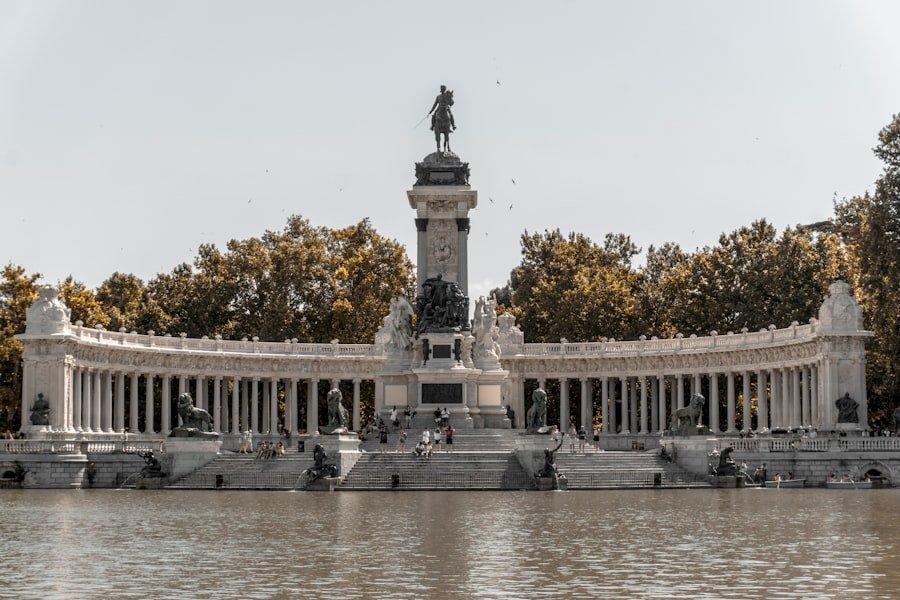
Winter in the Hispanic world is a time of vibrant celebrations and cherished customs that vary from country to country. One of the most notable events is Christmas, celebrated with unique traditions such as Las Posadas in Mexico, where communities reenact Mary and Joseph’s search for shelter. This nine-day celebration culminates in joyous festivities on Christmas Eve, complete with piñatas, traditional foods, and lively music.
In Spain, the Three Kings’ Day (Día de Reyes) on January 6th marks the end of the Christmas season, where children eagerly await gifts from the Three Wise Men. In addition to Christmas, many Hispanic cultures observe other significant winter festivities. For instance, in Puerto Rico, the Festival de la Novena de Aguinaldos features nightly gatherings filled with carols known as aguinaldos, where families come together to celebrate their heritage.
These customs not only highlight the importance of family and community but also reflect the rich diversity within Hispanic cultures. By incorporating these celebrations into our winter lessons, we provide students with a window into the heart of Hispanic traditions.
How NLS Adapts Hispanic Winter Traditions for Educational Purposes
At NLS, we recognise that adapting Hispanic winter traditions for educational purposes requires creativity and sensitivity. Our instructors carefully select elements from various celebrations to create engaging lesson plans that resonate with students. For example, during our winter courses, we may organise themed classes around Las Posadas or Día de Reyes, where students can participate in role-playing activities that simulate these traditions.
This hands-on approach allows learners to experience cultural practices firsthand while practising their language skills in a fun and interactive manner. Furthermore, we incorporate multimedia resources such as videos, music, and literature that showcase these traditions. By using authentic materials, students gain exposure to real-life language usage while also developing an understanding of cultural significance.
Our goal is to create an immersive environment where students feel comfortable exploring new concepts and ideas while building their confidence in speaking Spanish.
Incorporating Hispanic Winter Foods and Recipes into Lessons
Food is an integral part of any culture, and Hispanic winter cuisine offers a delightful array of flavours and traditions that can be seamlessly integrated into our lessons. At NLS, we take pride in introducing students to traditional winter dishes from various Spanish-speaking countries. For instance, during our winter courses, students may learn about tamales from Mexico or buñuelos from Spain while discussing their cultural significance.
In addition to exploring recipes, we encourage students to participate in cooking demonstrations or virtual cooking classes where they can prepare these dishes themselves. This hands-on experience not only reinforces language skills related to food vocabulary but also fosters a sense of community among learners as they share their culinary creations. By incorporating food into our lessons, we create a multisensory learning experience that engages students on multiple levels.
Exploring Hispanic Winter Music and Dance
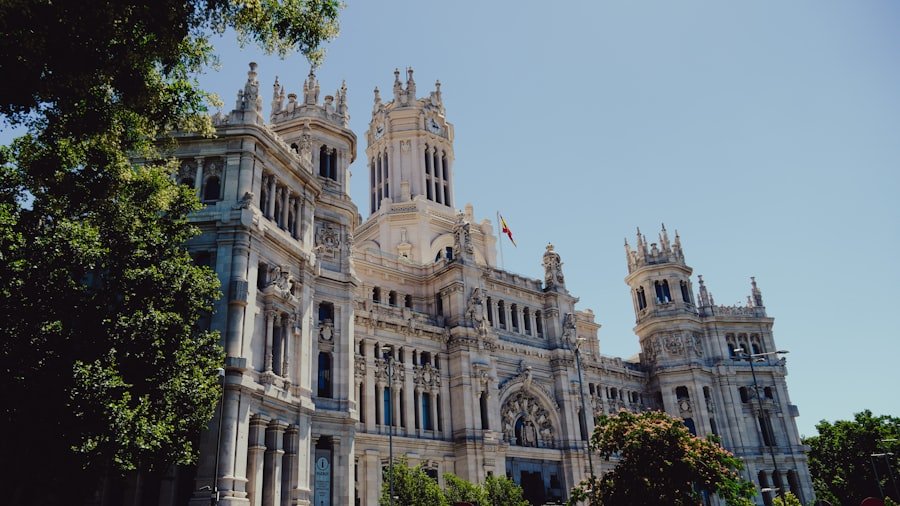
Music and dance are vital expressions of culture that resonate deeply within Hispanic communities during the winter season. At NLS, we recognise the power of rhythm and melody in language learning and actively incorporate these elements into our curriculum. Students have the opportunity to explore traditional winter music from various Spanish-speaking countries, such as flamenco from Spain or salsa from Cuba.
In addition to listening to music, we encourage students to participate in dance workshops where they can learn traditional dances associated with winter celebrations. These activities not only promote physical engagement but also enhance language acquisition through movement and rhythm. By immersing themselves in the vibrant world of Hispanic music and dance, students develop a deeper connection to the culture while honing their language skills in an enjoyable way.
Using Hispanic Winter Literature and Folktales in Lessons
Literature serves as a powerful tool for cultural exploration, and at NLS, we leverage Hispanic winter literature and folktales to enrich our lessons. Stories passed down through generations often encapsulate cultural values, beliefs, and traditions that resonate with learners. During our winter courses, students may delve into classic tales such as “La Llorona” or “El Cuento de Navidad,” which not only entertain but also provide insights into Hispanic folklore.
By analysing these stories in class discussions or group activities, students can practise their reading comprehension while engaging with themes relevant to their own lives. Additionally, we encourage creative writing exercises where learners can craft their own winter-themed stories inspired by Hispanic folklore. This approach fosters creativity while reinforcing language skills in a meaningful context.
Engaging Students in Hispanic Winter Art and Crafts
Artistic expression is another avenue through which students can connect with Hispanic culture during the winter months. At NLS, we organise art workshops that focus on traditional crafts associated with winter celebrations. For example, students may create papel picado (perforated paper) decorations commonly used during festive occasions or design their own piñatas for a fun classroom activity.
These hands-on projects not only allow students to explore their creativity but also provide opportunities for language practice as they learn vocabulary related to art supplies and techniques. By engaging in artistic activities rooted in Hispanic traditions, learners develop a deeper appreciation for cultural heritage while enhancing their language skills in an enjoyable manner.
Celebrating Hispanic Winter Festivals and Holidays in the Classroom
Celebrating Hispanic winter festivals and holidays in the classroom is a highlight of our winter courses at NLS. We organise themed events that bring together students from diverse backgrounds to share in the joy of these celebrations. For instance, during our Christmas fiesta, students may participate in traditional games like Lotería or enjoy festive treats while practising their Spanish conversation skills.
These celebrations foster a sense of community among learners as they come together to appreciate each other’s cultures. By creating an inclusive environment where everyone feels valued and respected, we promote cultural understanding and empathy among students. Our goal is to ensure that every learner leaves our winter courses with not only improved language skills but also cherished memories of shared experiences.
NLS’s Efforts to Promote Cultural Understanding and Inclusivity
At NLS, we are committed to promoting cultural understanding and inclusivity through our approach to language education. We recognise that language learning is not just about acquiring skills; it is also about fostering connections between individuals from different backgrounds. Our winter courses are designed to celebrate diversity by incorporating a wide range of Hispanic cultures and traditions.
We actively seek input from our students regarding their interests and backgrounds, allowing us to tailor our curriculum to reflect their unique perspectives. By creating an inclusive environment where all voices are heard and valued, we empower learners to share their own cultural experiences while embracing those of others. This collaborative approach enriches our classroom dynamics and enhances the overall learning experience for everyone involved.
The Impact of NLS’s Integration of Hispanic Culture into Winter Lessons
The integration of Hispanic culture into our winter lessons at NLS has a profound impact on both language acquisition and cultural appreciation among our students. By immersing learners in the rich traditions, customs, foods, music, literature, art, and celebrations associated with the winter season in Spanish-speaking countries, we create a dynamic learning environment that fosters engagement and enthusiasm. As students navigate through this culturally enriched curriculum, they not only develop their language skills but also cultivate a deeper understanding of the diverse world around them.
The connections forged through shared experiences contribute to a sense of belonging within our classroom community while promoting empathy and respect for different cultures. Ultimately, NLS’s commitment to integrating Hispanic culture into our winter courses ensures that every student leaves with valuable linguistic abilities as well as cherished memories of their journey through the vibrant world of Spanish-speaking cultures.
Enrol now for the Winter Spanish Program at NLS Norwegian Language School




