


When embarking on a journey to a new country, the first step often involves the simple yet profound act of greeting. In many cultures, greetings serve as a bridge, connecting individuals and fostering a sense of community. In Norway, for instance, a warm “Hei!” or “God dag!” can set the tone for a pleasant interaction.
It is customary to maintain eye contact and offer a firm handshake when meeting someone for the first time. This gesture not only conveys respect but also establishes a level of trust between the parties involved. As you navigate through Oslo, you may encounter a diverse array of individuals, each with their own unique stories and backgrounds.
Engaging in small talk can be an excellent way to break the ice. A simple inquiry about the weather or a compliment about the beautiful surroundings can lead to deeper conversations. The Norwegians are known for their friendliness, and you may find that they are more than willing to share their insights about their culture and lifestyle. Learn Korean in Oslo! NLS Norwegian Language School is now offering classes. Register today.
Summary
- When greeting someone in Britain, a simple “hello” or “good morning” is appropriate, and a handshake is the most common form of introduction.
- When asking for directions, it’s polite to start with “excuse me” and then ask for the specific location or landmark you are looking for.
- When expressing interest in artifacts, it’s important to be respectful and ask questions about the history and significance of the item.
- When requesting information, it’s polite to use phrases such as “could you please tell me” or “I was wondering if you could help me with”.
- When expressing gratitude, a simple “thank you” or “thanks a lot” is appropriate, and it’s always appreciated to follow up with a polite gesture such as a smile or nod.
- When asking for permission, it’s important to use polite language such as “may I” or “would it be alright if I”.
- When describing art and architecture, it’s helpful to use descriptive language and express your personal impressions and feelings about the piece.
- When seeking assistance, it’s important to be clear and specific about what you need help with, and always remember to say “please” and “thank you”.
- When inquiring about cultural practices, it’s important to approach the topic with an open mind and a genuine interest in learning about the traditions and customs.
- When expressing discomfort or concern, it’s important to be honest and direct, but also polite and respectful in your language and tone.
- When saying farewell, it’s polite to use phrases such as “goodbye”, “take care”, or “nice to meet you”, and it’s always appreciated to end with a friendly smile or nod.
Asking for Directions
As you explore the charming streets of Oslo, it is inevitable that you will need to ask for directions at some point. The city is rich in history and culture, with numerous landmarks and attractions scattered throughout its landscape. When seeking guidance, it is essential to approach someone with politeness and clarity.
A phrase such as “Excuse me, could you please help me find…?” is an excellent way to initiate the conversation. Most Norwegians are fluent in English, making it relatively easy to communicate your needs. However, if you wish to immerse yourself in the local language, learning a few basic phrases can be beneficial.
For instance, asking “Hvor er…?” which translates to “Where is…?” followed by your desired destination can demonstrate your interest in the language and culture. Additionally, be prepared to listen attentively as locals provide directions, often accompanied by helpful gestures or maps.
Expressing Interest in Artifacts

Oslo boasts a wealth of museums and galleries that showcase the rich history and artistic heritage of Norway. When visiting these cultural institutions, expressing genuine interest in the artifacts on display can enhance your experience significantly. A simple comment such as “This piece is fascinating; could you tell me more about it?” can open up a dialogue with museum staff or fellow visitors who share your enthusiasm for art and history.
Engaging with the stories behind the artifacts not only enriches your understanding but also fosters connections with others who appreciate the same cultural treasures. Whether it is a Viking ship at the Viking Ship Museum or contemporary art at the Astrup Fearnley Museum, each piece has its own narrative waiting to be uncovered. By asking questions and showing curiosity, you contribute to a vibrant exchange of ideas and perspectives that can deepen your appreciation for Norwegian culture.
Requesting Information
In a city as vibrant as Oslo, there is always something new to discover. Whether you are seeking information about local events, historical sites, or dining options, knowing how to request information politely is crucial. Approaching someone with a friendly smile and saying, “Could you please provide me with some information about…?” sets a positive tone for the interaction.
Moreover, it is helpful to be specific about what you are looking for. Instead of asking vague questions, try to narrow down your request. For example, “I am interested in learning about traditional Norwegian cuisine; could you recommend a restaurant?” This specificity not only makes it easier for the person you are asking but also increases the likelihood of receiving valuable insights tailored to your interests.
Expressing Gratitude
Gratitude is a universal language that transcends cultural boundaries. In Norway, expressing thanks is not only polite but also appreciated by locals. After receiving assistance or information, a heartfelt “Takk!” (Thank you!) goes a long way in acknowledging the kindness of others.
If you wish to elaborate further, phrases like “Tusen takk for hjelpen!” (Thank you very much for your help!) can convey your appreciation more profoundly. In addition to verbal expressions of gratitude, non-verbal cues such as a warm smile or nod can reinforce your sincerity. When you take the time to acknowledge someone’s efforts, it fosters goodwill and encourages positive interactions throughout your stay in Oslo.
Remember that gratitude can create a ripple effect, inspiring others to continue their acts of kindness.
Asking for Permission
Navigating social norms in a new culture often involves understanding when and how to ask for permission. In Norway, people value personal space and privacy, so it is essential to approach such requests with respect and consideration. If you wish to take a photograph of someone or their property, for instance, politely asking “May I take your picture?” demonstrates your awareness of their boundaries.
Similarly, if you find yourself in a situation where you would like to join a conversation or participate in an activity, seeking permission first is advisable. A simple “Would it be alright if I joined you?” shows that you value their company and are mindful of their preferences. By being courteous in your requests, you create an atmosphere of mutual respect that enhances social interactions.
Describing Art and Architecture
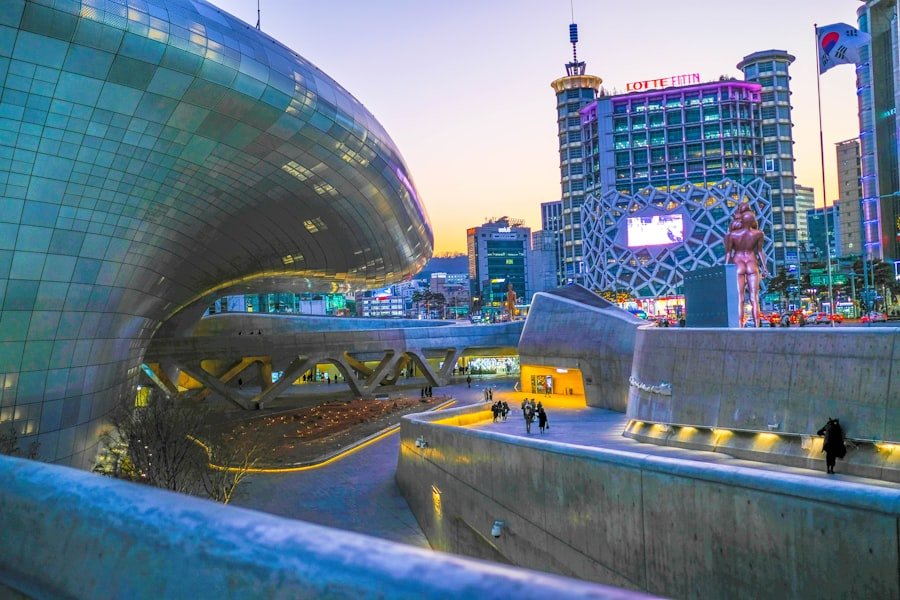
Oslo’s art and architecture reflect its rich cultural heritage and innovative spirit. When discussing these subjects with locals or fellow travellers, using descriptive language can help convey your thoughts more vividly. For instance, when admiring the striking design of the Oslo Opera House, you might say, “The building’s sleek lines and reflective surfaces create an almost ethereal quality against the backdrop of the fjord.” Moreover, delving into the historical context of certain architectural styles can spark engaging conversations.
Discussing how traditional wooden houses represent Norway’s connection to nature or how modern designs embody sustainability can lead to deeper insights into Norwegian values and aesthetics. By sharing your observations and interpretations, you contribute to a dynamic exchange of ideas that enriches everyone’s understanding of art and architecture.
Seeking Assistance
At times during your travels, you may find yourself in need of assistance—be it navigating public transport or finding specific services. In Oslo, people are generally willing to lend a helping hand when approached politely. A simple “Excuse me, could you assist me with…?” can open doors to valuable support from locals who are eager to help.
When seeking assistance, it is beneficial to remain calm and patient, especially if there are language barriers involved. Many Norwegians speak English fluently; however, if you encounter someone who does not, using gestures or visual aids can facilitate communication. Additionally, showing appreciation for their efforts can create a positive atmosphere that encourages further assistance.
Inquiring about Cultural Practices
Norwegian culture is rich with traditions and practices that reflect its history and values. When engaging with locals, expressing curiosity about these cultural aspects can lead to enlightening conversations. Phrasing your inquiry as “I would love to learn more about Norwegian traditions; could you share some insights?” demonstrates your genuine interest in their way of life.
From discussing traditional festivals like Midsummer celebrations to exploring culinary customs such as “lutefisk” during Christmas time, these conversations can provide valuable insights into what shapes Norwegian identity. By actively participating in discussions about cultural practices, you not only broaden your understanding but also foster connections with those who take pride in sharing their heritage.
Expressing Discomfort or Concern
While travelling can be an exhilarating experience, there may be moments when discomfort or concern arises—be it due to unfamiliar surroundings or unexpected situations. In such instances, it is important to communicate your feelings respectfully and clearly. For example, if you feel uneasy in a crowded area, expressing this by saying “I am feeling a bit overwhelmed; could we find somewhere quieter?” allows others to understand your needs.
Moreover, if you notice something concerning—such as someone in distress—voicing your concern can be crucial. Approaching someone with empathy and saying “I noticed that you seem upset; is there anything I can do to help?” shows compassion and willingness to assist those in need. By addressing discomfort openly and kindly, you contribute to creating a supportive environment for yourself and others.
Farewells and Goodbyes
As your time in Oslo comes to an end, bidding farewell becomes an essential part of your journey. Whether parting ways with newfound friends or thanking hosts for their hospitality, expressing goodbyes with sincerity leaves a lasting impression. A simple “Ha det bra!” (Goodbye!) accompanied by a smile conveys warmth and appreciation for the connections made during your stay.
In addition to verbal farewells, consider leaving behind tokens of gratitude—perhaps a small gift or handwritten note—to express your appreciation for those who have made your experience memorable. These gestures not only signify closure but also reinforce the bonds formed during your time in Norway. As you depart from Oslo, carry with you the memories created through meaningful interactions and cultural exchanges that will stay with you long after you’ve left.
In conclusion, mastering these essential phrases and expressions will undoubtedly enhance your experience while navigating through Oslo’s vibrant culture. As you engage with locals and immerse yourself in their way of life, consider exploring language courses that can further enrich your understanding of Norwegian culture—such as the Korean courses offered at the NLS Norwegian Language School in Oslo. These courses provide an excellent opportunity not only to learn the language but also to delve deeper into cultural nuances that will make your interactions even more meaningful during your travels in Norway.




