

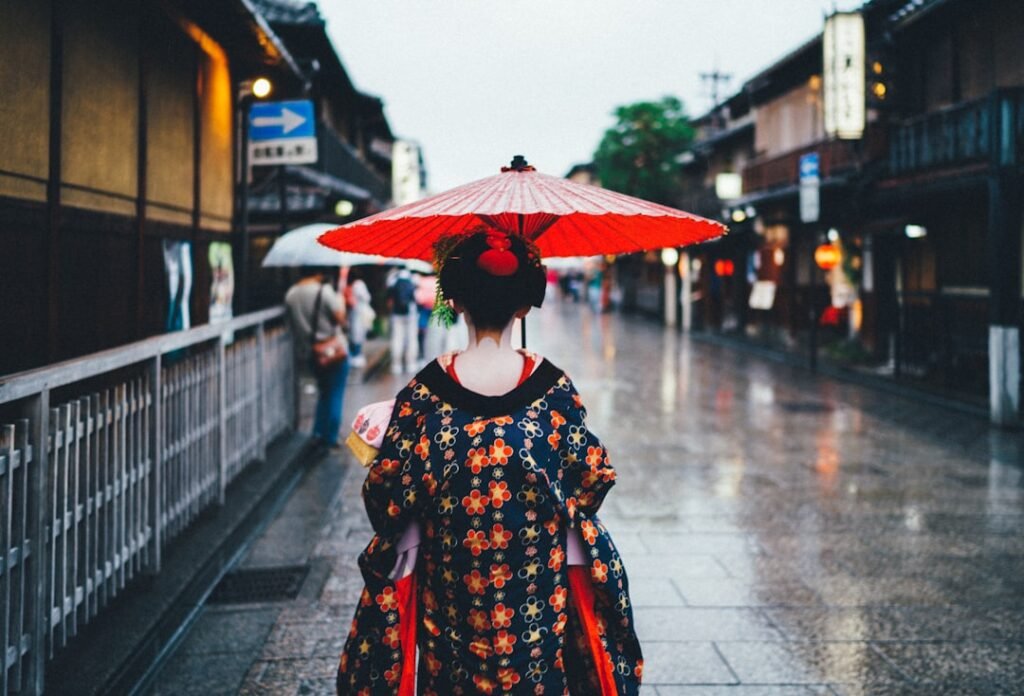
When embarking on a journey, the first step often involves greetings and introductions. Whether you are arriving in a new city or meeting someone for the first time, a warm greeting can set the tone for the entire interaction. In many cultures, including Japanese, a polite bow or a simple “Konnichiwa” (こんにちは) can convey respect and friendliness.
It is essential to be aware of cultural nuances when greeting others, as this can foster goodwill and create a welcoming atmosphere. In addition to verbal greetings, non-verbal communication plays a significant role in introductions. A smile can bridge language barriers and make others feel at ease.
When introducing yourself, it is customary to state your name clearly and perhaps share a little about your background or purpose for being there. This not only helps to establish rapport but also encourages others to engage in conversation. In a multicultural setting, such as a hotel lobby or an airport, these small gestures of kindness can lead to meaningful connections and memorable experiences. Unlock the rich world of Japanese culture, from anime to ancient traditions.
Summary
- When greeting someone in the UK, a simple “hello” or “good morning/afternoon/evening” is appropriate, followed by a handshake in formal situations.
- When asking for directions or assistance, it’s polite to start with “excuse me” or “sorry to bother you” before stating your request.
- When making reservations or checking in, be prepared to provide your name, contact information, and possibly a form of identification.
- When ordering food and drinks, it’s common to say “please” and “thank you” to the server, and to wait to be seated by the host or hostess.
- When requesting room amenities, such as extra towels or pillows, it’s polite to say “please” and “thank you” to the housekeeping or front desk staff.
Asking for Directions and Assistance
Navigating unfamiliar surroundings can be daunting, especially in a foreign country where the language may be unfamiliar. When seeking directions or assistance, it is crucial to approach locals with politeness and clarity. A simple phrase like “Excuse me, could you help me find…?” can open the door to helpful guidance.
Many people are willing to assist, especially if you express gratitude for their time and effort. In addition to verbal requests, using gestures or pointing to maps can enhance understanding. Visual aids such as smartphones with GPS or printed maps can also be invaluable tools when asking for directions.
It is advisable to learn a few key phrases in the local language, as this demonstrates respect for the culture and can often elicit a more favourable response from those you approach for help. Remember that patience is key; not everyone may speak your language fluently, but a friendly demeanour can go a long way in facilitating communication.
Making Reservations and Checking In
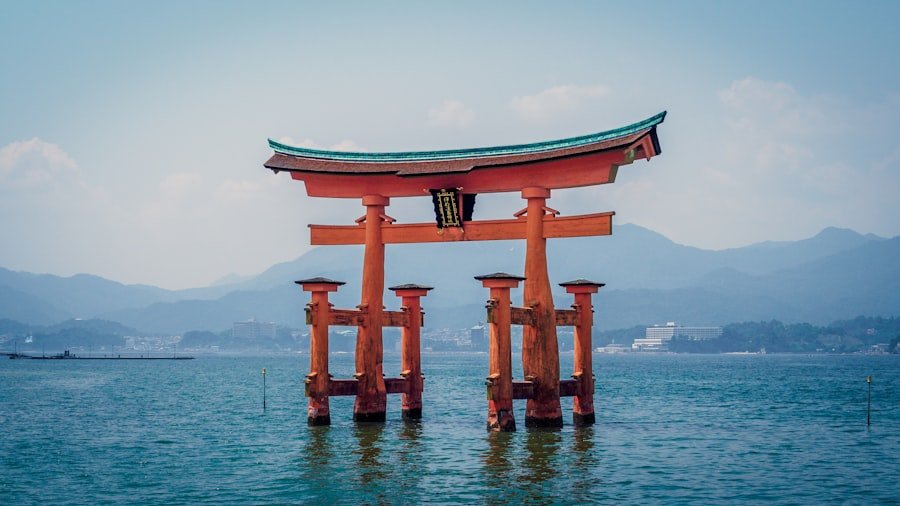
Making reservations is an essential part of travel planning, whether for accommodation, dining, or activities. When contacting hotels or restaurants, it is important to provide clear information regarding your needs, such as the date of your stay, number of guests, and any special requests. Many establishments now offer online booking systems that simplify this process, allowing you to secure your arrangements with just a few clicks.
Upon arrival at your chosen accommodation, checking in is typically straightforward but can vary by location. Presenting your identification and reservation details is standard practice. In some cases, you may be asked to provide a credit card for incidentals or deposits.
It is advisable to review the terms of your reservation carefully, including cancellation policies and check-in/check-out times. This ensures that you are well-informed and can avoid any potential misunderstandings during your stay.
Ordering Food and Drinks
Dining out is one of the joys of travel, allowing you to experience local cuisine and culture. When ordering food and drinks at a restaurant or café, it is helpful to familiarise yourself with the menu beforehand if possible. Many establishments offer English translations or have staff who can assist with language barriers.
If you have dietary restrictions or preferences, do not hesitate to communicate these clearly to your server. When placing your order, using polite phrases such as “I would like…” or “Could I please have…?” demonstrates respect and courtesy towards the staff. Additionally, taking the time to learn a few basic phrases in the local language can enhance your dining experience and may even lead to recommendations from the staff on local specialities worth trying.
Remember that dining is not just about the food; it is also an opportunity to engage with the culture and people of the area.
Room Amenities and Requests
Once you have settled into your accommodation, it is essential to familiarise yourself with the room amenities available to you. Most hotels provide information about their facilities through brochures or in-room guides. Understanding how to use appliances such as air conditioning units, televisions, and coffee makers can enhance your comfort during your stay.
If you require additional items or services—such as extra towels, toiletries, or room service—do not hesitate to contact the front desk or housekeeping. A polite request can often yield quick assistance. Many hotels pride themselves on their customer service and are eager to ensure that guests have a pleasant experience.
Being clear about your needs while maintaining a courteous tone will facilitate effective communication with staff members.
Expressing Gratitude and Politeness
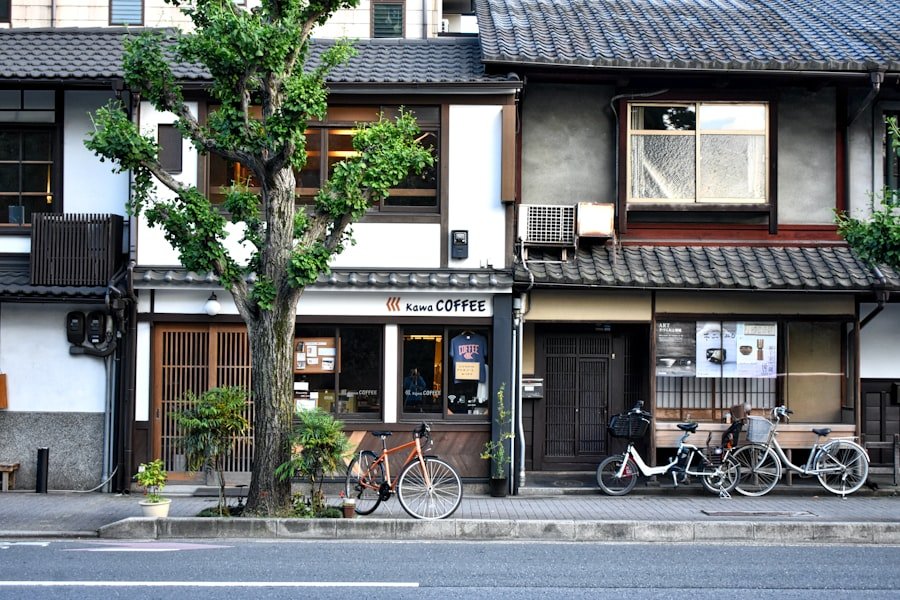
Politeness is a cornerstone of social interactions across cultures, and expressing gratitude is an essential aspect of this principle. Whether it is thanking hotel staff for their assistance or acknowledging a friendly gesture from a fellow traveller, showing appreciation fosters goodwill and positive relationships. Simple phrases like “Thank you” or “Arigatou gozaimasu” (ありがとうございます) in Japanese can convey your gratitude effectively.
In addition to verbal expressions of thanks, consider non-verbal gestures such as a smile or nod of appreciation. These small acts can leave a lasting impression on those around you. Remember that politeness extends beyond mere words; it encompasses your overall attitude and behaviour during interactions.
By embodying respect and kindness, you contribute to a more harmonious environment for everyone involved.
Dealing with Emergencies and Issues
While travel is often filled with joy and excitement, unforeseen emergencies can arise that require prompt attention. Whether it is a medical issue, lost belongings, or an unexpected change in plans, knowing how to handle these situations calmly is crucial. Familiarising yourself with emergency contact numbers in the area—such as local hospitals or police—can provide peace of mind during your travels.
If you encounter an issue at your accommodation, such as maintenance problems or billing discrepancies, approach the staff with patience and clarity. Clearly explain the situation while remaining respectful; this will increase the likelihood of receiving prompt assistance. Most establishments are committed to resolving issues swiftly and ensuring guest satisfaction.
Understanding Hotel Policies and Rules
Every hotel has its own set of policies and rules designed to ensure the safety and comfort of all guests. Familiarising yourself with these guidelines upon check-in can help avoid misunderstandings later on. Common policies include check-in/check-out times, pet regulations, smoking policies, and payment methods accepted.
If you have any questions regarding hotel policies, do not hesitate to ask staff for clarification. Understanding these rules not only enhances your experience but also demonstrates respect for the establishment’s operations. Being aware of policies related to noise levels or shared facilities can contribute to a more enjoyable stay for both you and fellow guests.
Using Public Facilities and Services
During your travels, you may find yourself utilising various public facilities and services such as transportation systems, parks, or tourist attractions. Familiarising yourself with local customs regarding these services can enhance your experience significantly. For instance, understanding how public transport operates—such as ticket purchasing procedures or schedules—can save time and reduce stress.
When using public facilities, it is essential to adhere to local etiquette. This may include queuing patiently for services or respecting designated areas within parks or museums. By being considerate of others while enjoying public spaces, you contribute positively to the overall atmosphere of the community.
Interacting with Staff and Other Guests
Interactions with hotel staff and fellow guests can enrich your travel experience immensely. Engaging in friendly conversation with staff members not only makes your stay more enjoyable but also allows you to learn more about local culture and recommendations for activities or dining options. A simple “How has your day been?” can open up meaningful exchanges.
Similarly, connecting with other guests can lead to shared experiences and friendships that last beyond your trip. Whether it’s sharing travel tips in common areas or enjoying meals together, these interactions can create lasting memories. Approach conversations with an open mind and genuine interest in others’ stories; this fosters camaraderie among travellers from diverse backgrounds.
Checking Out and Saying Goodbye
As your stay comes to an end, checking out of your accommodation marks the final step in your journey there. It is advisable to review your bill carefully before settling any outstanding charges; this ensures that there are no surprises at checkout time. If you have enjoyed your stay, expressing gratitude to the staff during checkout can leave a positive impression.
Saying goodbye does not have to be a mere formality; it can be an opportunity to reflect on your experiences during your stay. Sharing highlights with staff members or fellow guests creates a sense of closure while reinforcing connections made during your time there. As you depart for your next destination, carry with you the memories created during this chapter of your travels.
In conclusion, mastering these essential communication skills enhances not only your travel experience but also fosters connections with people from different cultures. For those interested in expanding their linguistic abilities further, consider enrolling in Japanese courses at the NLS Norwegian Language School in Oslo. These courses offer an excellent opportunity to delve into the intricacies of the Japanese language while gaining insights into its rich culture—an invaluable asset for any traveller looking to explore Japan or engage with Japanese speakers worldwide.
Your Japanese journey starts in Oslo. Join our classes at NLS and sign up today!




