

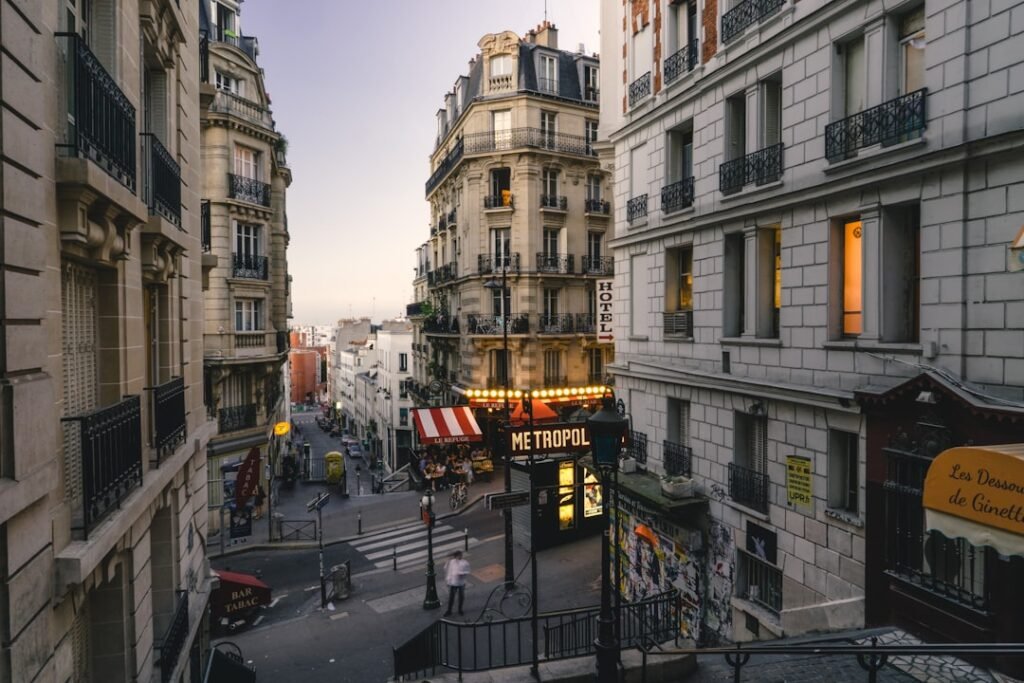
Navigating the world of commerce in a foreign language can be a daunting task, especially when it comes to asking for prices. In France, where the art of conversation is as cherished as the culinary delights, knowing how to inquire about prices can enhance your shopping experience and help you engage more meaningfully with locals. Whether you are exploring the bustling markets of Paris or browsing quaint boutiques in Provence, mastering the language of commerce is essential.
This article aims to equip you with the necessary phrases, etiquette, and cultural insights to confidently ask for prices in French. Understanding the nuances of asking for prices in French goes beyond mere vocabulary; it involves grasping the cultural context and the subtleties of communication. The French take pride in their language and appreciate when visitors make an effort to speak it.
By learning how to ask for prices correctly, you not only facilitate your transactions but also show respect for the local culture. This article will guide you through common phrases, the intricacies of currency and numbers, and the etiquette that governs shopping in France, ensuring that you are well-prepared for your next adventure. Ready to speak French? Enroll for French classes at the NLS Norwegian Language School in Oslo!
Summary
- When asking for prices in French, it’s important to be polite and use the correct phrases to ensure effective communication.
- Common phrases for asking prices include “Combien ça coûte?” (How much does it cost?) and “C’est trop cher” (It’s too expensive).
- Understanding currency and numbers in French is essential for negotiating prices and making purchases in France.
- When negotiating prices in French, it’s important to be respectful and open to compromise.
- When shopping and bargaining in France, it’s important to adhere to the local etiquette and be mindful of cultural differences.
Common Phrases for Asking Prices
When it comes to asking for prices in French, there are several key phrases that can help you navigate conversations with ease. The most straightforward way to inquire about a price is to ask, “Combien ça coûte?” which translates to “How much does it cost?” This phrase is versatile and can be used in various contexts, from shops to markets. Another useful expression is “Quel est le prix de cela?” meaning “What is the price of this?” This phrase is particularly handy when pointing to a specific item.
In addition to these basic inquiries, it is beneficial to learn how to ask about discounts or special offers. For instance, “Y a-t-il une réduction?” translates to “Is there a discount?” This question can open up opportunities for negotiation and may lead to better deals. Furthermore, if you are interested in purchasing multiple items, you might ask, “Est-ce que vous faites un prix pour plusieurs?” which means “Do you offer a price for multiple items?” Mastering these phrases will not only help you understand prices but also enhance your overall shopping experience in France.
Understanding Currency and Numbers in French

To effectively ask for prices, it is crucial to have a solid understanding of currency and numbers in French. The currency used in France is the Euro (€), and being familiar with its denominations will aid you in making informed purchases. The basic units of currency include one Euro (un euro) and cents (centimes).
Knowing how to express amounts in both whole euros and cents will be invaluable when discussing prices. When it comes to numbers, French has its own unique system that can be quite different from English. For example, the number 21 is expressed as “vingt et un,” while 22 is “vingt-deux.” It is essential to practice counting in French so that you can easily comprehend prices displayed on tags or menus.
Additionally, understanding how to read larger numbers will be beneficial; for instance, 1,000 is “mille,” and 10,000 is “dix mille.” Familiarising yourself with these numerical expressions will empower you to engage confidently in price discussions.
How to Negotiate Prices in French
Negotiating prices is an integral part of shopping culture in France, particularly in markets and smaller shops. To negotiate effectively, it is important to approach the conversation with politeness and respect. A good starting point is to express your interest in an item by saying, “J’aime beaucoup ce produit,” which means “I really like this product.” This establishes a positive tone before delving into price discussions.
When negotiating, you might use phrases such as “Est-ce que vous pouvez faire un meilleur prix?” which translates to “Can you offer a better price?” This question invites the seller to consider your request without being overly aggressive. Additionally, if you feel that the initial price is too high, you could say, “C’est un peu cher pour moi,” meaning “It’s a bit expensive for me.” This statement conveys your concern while leaving room for negotiation. Remember that successful bargaining often involves compromise; be prepared to meet halfway or suggest a price that feels fair to both parties.
Shopping and Bargaining Etiquette in France
Understanding shopping etiquette in France is essential for a smooth experience when asking for prices. The French value politeness and formality, so it is customary to greet shopkeepers with a friendly “Bonjour” before initiating any conversation. This simple gesture sets a positive tone and shows respect for the local customs.
When asking for prices or negotiating, always remember to use polite language and expressions such as “s’il vous plaît” (please) and “merci” (thank you). In addition to verbal etiquette, non-verbal communication plays a significant role in shopping interactions. Maintaining eye contact and using appropriate body language can convey your sincerity and interest in the products.
It is also important to be patient; rushing through transactions may be perceived as impolite. Take your time to engage with the seller, ask questions about the products, and show genuine interest. By adhering to these etiquette guidelines, you will create a more enjoyable shopping experience while fostering positive relationships with local vendors.
Different Types of Markets and Prices in France

France boasts a diverse array of markets, each offering unique products and pricing structures. From bustling flea markets filled with antiques to vibrant farmers’ markets brimming with fresh produce, understanding the different types of markets can enhance your shopping experience. In larger cities like Paris, you will find both fixed-price shops and markets where haggling is expected.
In traditional farmers’ markets (marchés), prices may vary based on the seasonality of products and the vendor’s discretion. Here, it is common to engage in friendly banter while discussing prices. On the other hand, fixed-price shops (magasins) typically have set prices displayed on items, making transactions straightforward but less flexible for negotiation.
Familiarising yourself with these market dynamics will help you adapt your approach when asking for prices.
Asking for Prices in Restaurants and Cafés
Dining out in France presents its own set of challenges when it comes to asking for prices. Restaurant menus often list prices clearly, but if you’re unsure or want clarification on specific dishes, don’t hesitate to ask your server. A polite way to inquire about a dish’s price is by saying, “Quel est le prix de ce plat?” which means “What is the price of this dish?” This shows your interest while allowing you to make informed choices.
In cafés, where pastries and drinks are often displayed behind glass counters, you might need to ask about prices directly at the counter. A simple “Combien coûte ce gâteau?” translates to “How much does this cake cost?” This direct approach is perfectly acceptable in casual dining settings. Additionally, if you’re curious about daily specials or set menus, asking “Avez-vous des plats du jour?” (Do you have daily specials?) can lead to delightful culinary discoveries while ensuring you’re aware of the costs involved.
Understanding Sales and Discounts in French
Sales and discounts are an integral part of shopping culture in France, particularly during designated sales periods known as “les soldes.” These sales typically occur twice a year—once in winter and once in summer—offering significant discounts on various products. To inquire about ongoing sales or discounts, you might ask, “Y a-t-il des soldes en ce moment?” which means “Are there any sales at the moment?” When discussing discounts with vendors or shopkeepers, it’s helpful to know some key phrases related to sales. For example, “C’est à moitié prix” translates to “It’s half price,” while “Il y a une réduction de 20%” means “There is a 20% discount.” Being familiar with these expressions will enable you to navigate sales conversations more effectively and take advantage of great deals during your shopping excursions.
Using Technology to Ask for Prices in French
In today’s digital age, technology can be an invaluable tool when it comes to asking for prices in French. Smartphone applications and translation tools can assist you in real-time conversations with vendors or restaurant staff. For instance, using translation apps allows you to type out phrases or even speak them aloud if you’re unsure about pronunciation.
Additionally, many online platforms provide access to menus or product listings in multiple languages, enabling you to research prices before visiting a shop or restaurant. However, while technology can be helpful, it’s essential not to rely solely on it; making an effort to communicate directly in French demonstrates respect for the language and culture. Striking a balance between using technology and engaging personally will enhance your overall experience.
Tips for Polite and Effective Communication When Asking for Prices
Effective communication when asking for prices hinges on politeness and clarity. Always begin interactions with a friendly greeting such as “Bonjour” or “Bonsoir,” depending on the time of day. This sets a positive tone and shows that you value the interaction.
When asking about prices or negotiating, use polite phrases like “Pourriez-vous me dire…” (Could you tell me…) or “Je voudrais savoir…” (I would like to know…). These expressions convey respect and consideration. Additionally, be mindful of your tone and body language during conversations.
A warm smile can go a long way in establishing rapport with shopkeepers or servers. If you’re unsure about something or need clarification on a price, don’t hesitate to ask follow-up questions using phrases like “Pouvez-vous répéter cela?” (Can you repeat that?). This demonstrates your willingness to engage actively while ensuring that you fully understand the information being conveyed.
Common Mistakes to Avoid When Asking for Prices in French
While learning how to ask for prices in French can be rewarding, there are common pitfalls that learners should avoid. One frequent mistake is neglecting proper greetings before diving into price inquiries; failing to greet someone can come across as rude or dismissive. Always remember that politeness is key in French culture.
Another common error involves mispronouncing numbers or phrases related to pricing. Miscommunication can lead to misunderstandings regarding costs or discounts; therefore, practice pronunciation beforehand if you’re unsure. Additionally, avoid assuming that all vendors will speak English; while many do, making an effort to communicate in French shows respect for their language and culture.
In conclusion, mastering the art of asking for prices in French involves understanding key phrases, cultural etiquette, and effective communication strategies. By familiarising yourself with these elements, you’ll not only enhance your shopping experiences but also foster meaningful connections with locals during your travels. For those looking to deepen their understanding of French language skills—including asking for prices—the NLS Norwegian Language School in Oslo offers comprehensive French courses tailored for all levels of learners.
With experienced instructors and immersive learning environments, students can gain confidence in their language abilities while exploring practical applications such as shopping conversations. Whether you’re preparing for a trip or simply wish to expand your linguistic repertoire, NLS provides an excellent opportunity to master the nuances of the French language effectively.
Ready to speak French? Enroll for French classes at the NLS Norwegian Language School in Oslo!




