

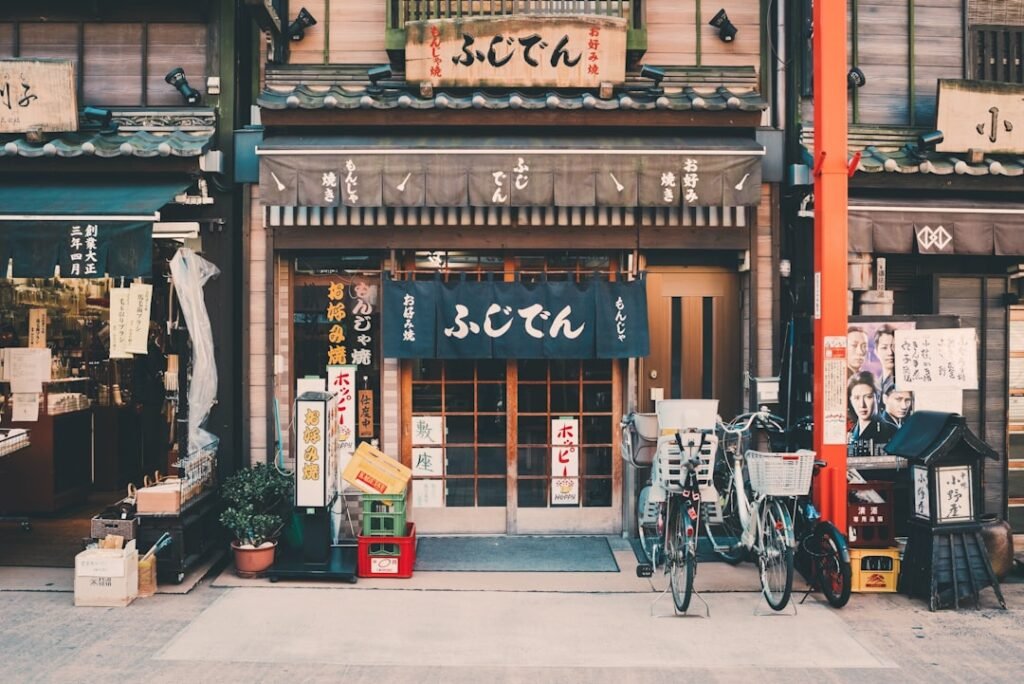
Japanese dining culture is a rich tapestry woven from centuries of tradition, etiquette, and culinary artistry. It is not merely about the food; it encompasses a holistic experience that engages all the senses. From the meticulous presentation of dishes to the serene atmosphere of the dining environment, every aspect is designed to enhance the enjoyment of the meal.
The Japanese take great pride in their culinary heritage, which is reflected in their seasonal ingredients, regional specialities, and the art of sushi-making, among other things. Dining in Japan is often a communal affair, where sharing and appreciating food together fosters a sense of connection and harmony. Moreover, the dining experience in Japan is steeped in rituals and customs that may seem foreign to outsiders.
For instance, the practice of saying “itadakimasu” before a meal expresses gratitude for the food and those who prepared it. Similarly, “gochisousama deshita” is said after finishing a meal to show appreciation. These phrases encapsulate the Japanese ethos of respect and gratitude, which permeates their dining culture.
Understanding these nuances not only enriches the dining experience but also demonstrates respect for Japanese traditions. Unlock the rich world of Japanese culture, from anime to ancient traditions.
Summary
- Japanese dining culture places a strong emphasis on hospitality and respect for the customer.
- When asking for the bill in a Japanese restaurant, it is polite to use the phrase “Okaikei onegaishimasu.”
- Tipping is not a common practice in Japan, as it is often considered unnecessary and may even be seen as rude.
- The concept of “Omotenashi” embodies the Japanese approach to hospitality, focusing on anticipating and fulfilling the needs of guests.
- In Japan, it is common for a group to split the bill evenly, rather than itemising individual expenses.
How to Ask for the Bill in Japanese Restaurants
When dining in Japan, knowing how to ask for the bill can significantly enhance your experience. In most restaurants, it is customary for diners to signal their desire for the bill rather than waiting for it to be presented. A simple yet effective way to do this is by raising your hand slightly and saying “Okanjō o onegaishimasu,” which translates to “The bill, please.” This polite request is generally well-received and understood by staff across various dining establishments.
In more casual settings, such as izakayas or small eateries, you might find that the staff are attentive and will often bring the bill to your table without you needing to ask. However, if you find yourself in a situation where you need to request it, using the phrase mentioned earlier will suffice. It’s also worth noting that in some restaurants, particularly those with a more traditional atmosphere, you may need to approach the counter to settle your bill.
Being aware of these practices can help you navigate the dining experience with ease and confidence.
Understanding Tipping Etiquette in Japan
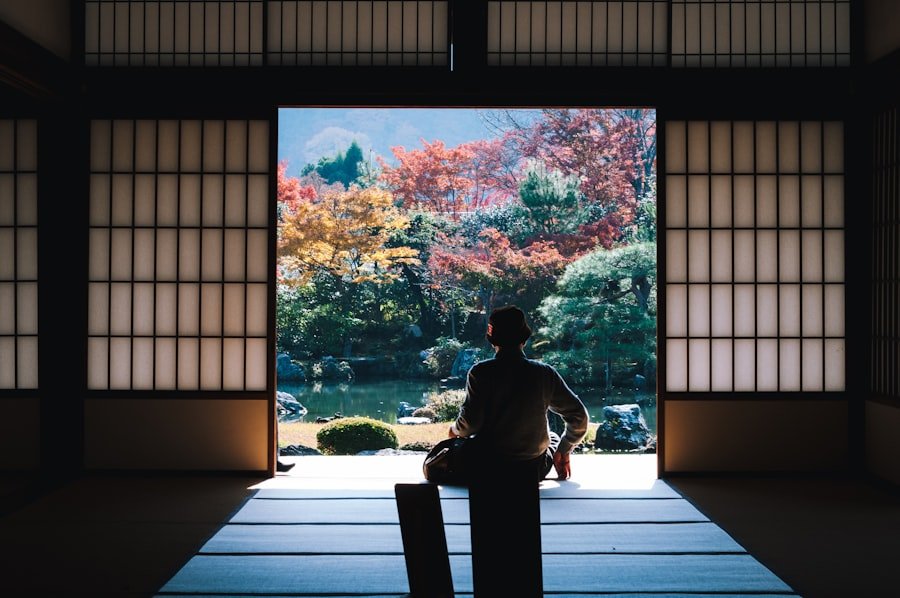
Tipping in Japan is a complex subject that often confounds visitors. Unlike many Western countries where tipping is customary and expected, Japan has a different approach to gratuities. In fact, tipping is generally not practised and can even be considered rude in certain contexts.
The Japanese believe that excellent service is part of the job and should not require additional compensation. As such, most restaurants include service charges within the price of the meal. However, there are exceptions to this rule.
In high-end establishments or when receiving exceptional service, some patrons may choose to leave a small tip as a gesture of appreciation. If you do decide to leave a tip, it is advisable to present it discreetly in an envelope rather than handing it directly to the staff. This practice aligns with the cultural emphasis on humility and respect.
Understanding these nuances can help you navigate the dining landscape in Japan without inadvertently causing offence.
The Concept of “Omotenashi” in Japanese Hospitality
At the heart of Japanese hospitality lies the concept of “omotenashi,” which embodies selfless service and attention to detail. This philosophy goes beyond mere customer service; it reflects a deep-seated cultural value that prioritises the needs and comfort of guests. In Japan, hospitality is not just about fulfilling requests but anticipating them, creating an environment where guests feel valued and cared for.
Omotenashi manifests itself in various ways throughout the dining experience. From the moment you enter a restaurant, you are greeted with warmth and respect, often accompanied by a bow from the staff. The attention to detail extends to every aspect of your meal, from the presentation of dishes to the ambience of the dining space.
This commitment to excellence ensures that each guest leaves with a sense of satisfaction and appreciation for their experience. Embracing this concept can enhance your understanding of Japanese culture and enrich your interactions during your dining adventures.
Common Practices for Splitting the Bill in Japan
When dining out with friends or colleagues in Japan, splitting the bill can be a common practice, but it is approached differently than in many Western cultures. In Japan, it is not unusual for one person to take on the responsibility of paying for the entire meal as a gesture of goodwill or camaraderie. This practice is often seen as a way to strengthen social bonds and demonstrate generosity.
If you do wish to split the bill, it is best to discuss this before ordering or at least before the bill arrives. The phrase “Warikan ni shimasu ka?” translates to “Shall we split the bill?” and can be used to initiate this conversation. However, be prepared for some resistance; many Japanese may prefer to treat their friends or colleagues rather than dividing costs evenly.
Understanding these social dynamics can help you navigate group dining situations with grace and ease.
Tips for Calculating and Leaving a Tip in Japan
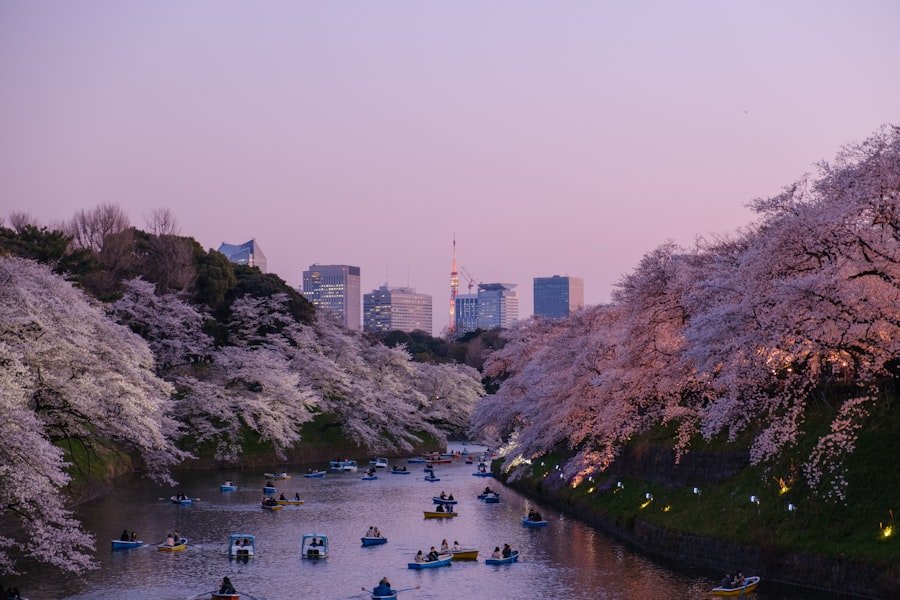
If you find yourself in a situation where leaving a tip feels appropriate, calculating an appropriate amount can be somewhat challenging given that tipping is not customary. A general guideline would be to leave around 5-10% of your total bill if you feel that your service was exceptional. However, it’s crucial to remember that this should be done discreetly and respectfully.
When leaving a tip, consider using an envelope or placing cash on the table rather than handing it directly to your server. This aligns with cultural norms surrounding gift-giving and respect. Additionally, ensure that you have small denominations on hand; larger bills may be seen as excessive or inappropriate in casual settings.
By adhering to these practices, you can express your gratitude while remaining sensitive to local customs.
Cultural Considerations when Tipping in Japan
Cultural considerations play a significant role in how tipping is perceived in Japan. As previously mentioned, tipping can sometimes be viewed as an insult because it implies that the service provided was not included in the price of the meal. This perspective stems from a cultural belief that one should always strive for excellence in their work without expecting additional rewards.
Moreover, certain establishments may have specific policies against accepting tips altogether. For instance, high-end restaurants or ryokans (traditional inns) often include service charges within their pricing structure. Therefore, it’s essential to be mindful of these cultural nuances when considering whether or not to leave a tip during your dining experiences in Japan.
Etiquette for Handling the Bill in Formal Dining Settings
In formal dining settings such as kaiseki restaurants or high-end sushi bars, handling the bill requires an extra layer of etiquette. Typically, one person will take on the responsibility of paying for the entire meal as a sign of respect and honour towards their guests. If you are invited out by someone else, it is customary to express gratitude but also offer to pay your share; however, they may insist on covering the costs.
When it comes time to settle the bill, it’s important to do so discreetly and respectfully. Avoid making a scene or drawing attention to yourself while paying; instead, approach the counter quietly if required or present your payment at the table with humility. This level of decorum reflects well on you as a guest and shows appreciation for both the meal and your host’s generosity.
Navigating Payment and Tipping in Casual Dining Establishments
In casual dining establishments such as ramen shops or izakayas, payment practices tend to be more relaxed compared to formal settings. Here, diners often pay at the counter rather than at their table, which streamlines the process and allows for quicker turnover during busy hours. When you’re ready to pay, simply approach the register and state your order number or show your receipt.
As for tipping in these casual environments, it’s generally unnecessary; however, if you receive exceptional service or feel inclined to express gratitude, leaving a small tip can be appreciated but should be done discreetly as previously mentioned. Understanding these distinctions between casual and formal dining will help you navigate payment practices with confidence.
Differences in Tipping Practices between Japan and Western Countries
The differences between tipping practices in Japan and Western countries are stark and noteworthy. In many Western cultures, tipping is an integral part of dining out; servers often rely on tips as a significant portion of their income. This creates an expectation for patrons to leave gratuities based on service quality or overall satisfaction with their meal.
Conversely, Japan’s approach prioritises service as an inherent part of hospitality rather than something that requires additional compensation. This cultural divergence can lead to misunderstandings for visitors who may feel compelled to tip when it is neither expected nor necessary. By recognising these differences and adapting your behaviour accordingly, you can navigate dining experiences in Japan with greater ease and respect.
Navigating the Bill and Tipping in Japan with Confidence
Navigating the intricacies of dining etiquette in Japan can initially seem daunting; however, understanding key aspects such as how to ask for the bill, tipping practices, and cultural considerations will empower you during your culinary adventures. Embracing concepts like omotenashi will enhance your appreciation for Japanese hospitality while allowing you to engage meaningfully with local customs. For those interested in delving deeper into Japanese culture through language learning, consider enrolling in Japanese courses at NLS Norwegian Language School in Oslo.
These courses offer an excellent opportunity not only to learn the language but also to gain insights into cultural nuances that will enrich your experiences while dining out in Japan or interacting with Japanese speakers elsewhere. With confidence gained from both language skills and cultural understanding, you’ll find yourself navigating meals and social situations with ease during your time in Japan or beyond.
Your Japanese journey starts in Oslo. Join our classes at NLS and sign up today!




