

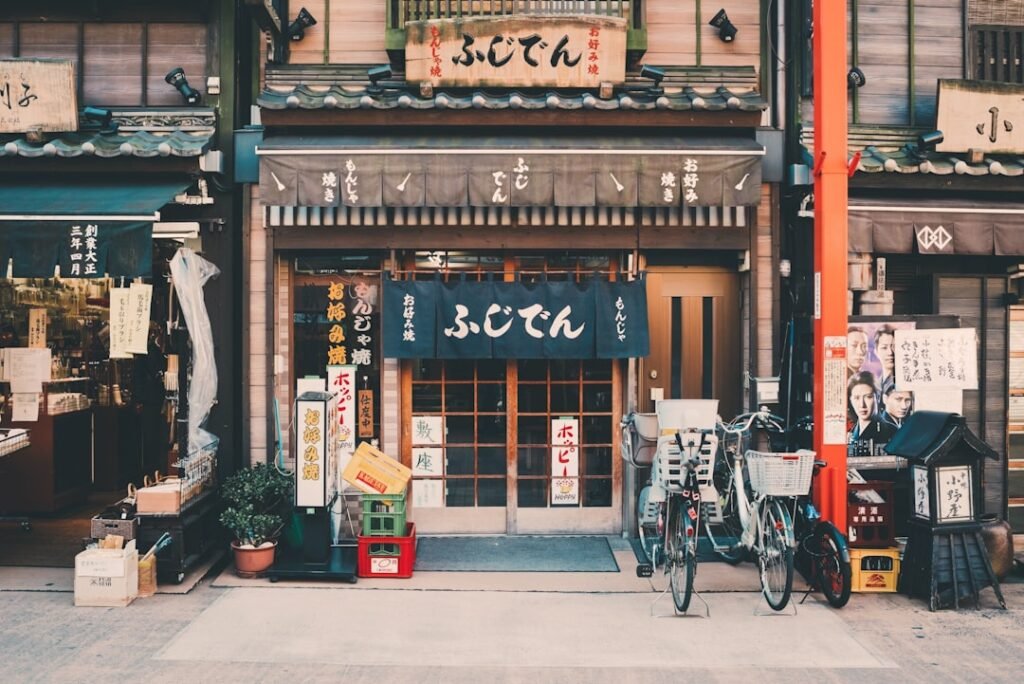
In Japan, the tradition of asking for the bill is steeped in cultural nuances that reflect the broader societal values of respect and consideration. Unlike many Western countries where the bill is often presented automatically at the end of a meal, in Japan, it is customary for diners to request the bill when they are ready to leave. This practice is not merely a matter of convenience; it embodies a deep-seated respect for personal space and the desire to avoid imposing on others.
The act of asking for the bill signifies that one has finished their meal and is ready to conclude their dining experience, allowing the staff to attend to other customers without interruption. Moreover, this tradition highlights the importance of communication in Japanese dining culture. When patrons signal their readiness to settle the bill, they do so with a sense of politeness and gratitude towards the staff.
It is common for diners to express appreciation for the meal and service before making their request. This interaction fosters a sense of connection between the customer and the restaurant staff, reinforcing the idea that dining is not just about food but also about building relationships and showing respect. Unlock the rich world of Japanese culture, from anime to ancient traditions.
Summary
- In Japan, it is not customary to ask for the bill at a restaurant as the server will bring it to the table when they see that the customers are ready to pay.
- Tipping is not a common practice in Japanese culture and can even be considered rude in some situations, as it may imply that the service is not already included in the price.
- Service charges are often included in the bill at Japanese restaurants, so it is important to check the receipt before leaving an additional tip.
- When asking for the bill in a Japanese restaurant, it is polite to use the phrase “Okaikei onegaishimasu” which translates to “Check, please” in English.
- Splitting the bill is not a common practice in Japan, and it is more customary for one person to pay for the entire meal, especially in social settings.
Understanding Tipping Etiquette in Japanese Culture
Tipping in Japan is a complex subject that often confounds visitors. Unlike in many Western cultures where tipping is seen as a standard practice to reward good service, in Japan, it can be perceived as unnecessary or even rude. The Japanese believe that exceptional service is an inherent part of the dining experience, and therefore, gratuities are not expected.
This cultural norm stems from a deep-rooted philosophy that values humility and selflessness in service roles. As such, many Japanese workers take pride in providing excellent service without the expectation of additional compensation. Furthermore, the absence of tipping reflects a broader societal ethos where individuals are encouraged to perform their duties to the best of their abilities without seeking external validation.
This cultural perspective can be surprising for visitors who may feel compelled to leave a tip as a gesture of appreciation. Instead, it is advisable for travellers to understand that expressing gratitude verbally or through polite gestures is often more meaningful than monetary tips in Japanese culture.
The Role of Service Charges in Japanese Restaurants
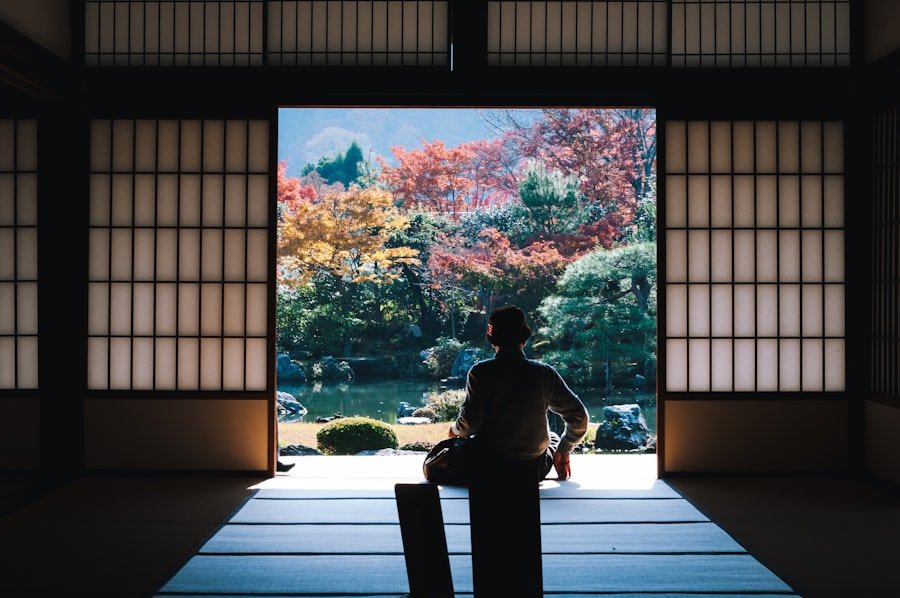
In Japan, service charges are typically included in the price of meals, which further diminishes the need for tipping. Most restaurants do not add a separate service charge to the bill, as the expectation is that customers will receive attentive service as part of their dining experience. This practice allows patrons to enjoy their meals without the added pressure of calculating tips or worrying about how much to leave for good service.
The pricing structure in Japanese restaurants is designed to be straightforward, allowing diners to focus on enjoying their food rather than navigating complex tipping customs. Additionally, some high-end establishments may include a service charge within their pricing, but this is usually clearly indicated on the menu or bill. In these cases, diners can rest assured that they are not expected to leave an additional tip.
This clarity helps maintain a relaxed atmosphere where guests can savour their meals without feeling obligated to conform to unfamiliar customs.
How to Ask for the Bill in Japanese Restaurants
When dining in Japan, knowing how to ask for the bill can enhance your experience and demonstrate respect for local customs. The phrase “Okanjō o onegaishimasu” (お勘定をお願いします) translates to “Please bring me the bill” and is widely understood across various dining establishments. Using this phrase not only conveys your request but also shows that you are making an effort to engage with the language and culture, which is often appreciated by restaurant staff.
In addition to using the correct phrase, it is customary to make eye contact with your server or raise your hand slightly when making your request. This non-verbal cue signals your readiness to settle the bill and helps ensure that your request is acknowledged promptly. By combining verbal communication with polite gestures, you can navigate this aspect of dining etiquette with ease and confidence.
Common Practices for Splitting the Bill in Japan
Splitting the bill among friends or colleagues is a common practice in many cultures, but in Japan, it can be approached with a degree of caution due to cultural sensitivities surrounding money and social dynamics. While it is not uncommon for groups to share costs, it is essential to approach this topic delicately. In many cases, one person may take on the responsibility of paying for the entire meal as a gesture of goodwill or hospitality, especially if they have invited others out.
If you find yourself in a situation where splitting the bill seems appropriate, it is best to discuss this openly with your dining companions before the meal concludes. Phrases like “Wakarimasen ga, warikan ni shimasen ka?” (分かりませんが、割り勘にしませんか?) meaning “I’m not sure, but shall we split the bill?” can facilitate this conversation. However, be prepared for some resistance; it is not uncommon for individuals to insist on treating others as a sign of respect or friendship.
The Importance of Politeness When Settling the Bill
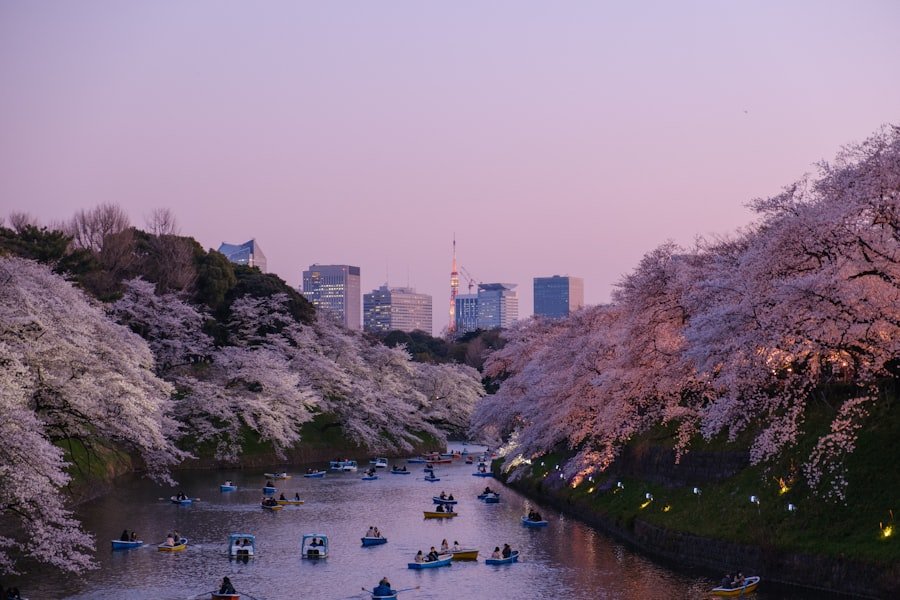
Politeness plays a crucial role in Japanese culture, particularly when it comes to settling bills in restaurants. When you receive your bill, it is customary to express gratitude towards your server or cashier. A simple “Arigatou gozaimasu” (ありがとうございます), meaning “Thank you very much,” goes a long way in conveying appreciation for their service.
This small act of politeness reinforces social bonds and reflects an understanding of Japanese values. Additionally, when handling payment, it is considered respectful to use both hands when presenting cash or credit cards. This gesture signifies sincerity and respect towards the person receiving your payment.
By adhering to these practices, you not only demonstrate cultural sensitivity but also contribute positively to your overall dining experience in Japan.
Tipping in Japan: When is it Appropriate?
While tipping is generally discouraged in Japan, there are specific situations where it may be deemed appropriate or appreciated. For instance, if you receive exceptional service at a high-end restaurant or during a special occasion such as a wedding or celebration, leaving a small tip may be acceptable. However, even in these instances, it is crucial to present any gratuity discreetly and with humility.
Another context where tipping might be more acceptable is within certain tourist-oriented services such as guided tours or transportation services where staff may rely on tips as part of their income. In these cases, offering a small token of appreciation can be seen as a gesture of gratitude rather than an obligation. Nevertheless, it remains essential to gauge the situation carefully and adhere to local customs.
Alternatives to Tipping in Japanese Culture
In lieu of tipping, there are several alternative ways to express appreciation for good service in Japan. One common practice is to write a thank-you note or card expressing your gratitude for an enjoyable experience. This thoughtful gesture can leave a lasting impression on restaurant staff and demonstrates your respect for their hard work.
Another alternative is to engage in conversation with staff members during your visit. Taking the time to ask questions about the menu or share compliments about your meal can foster a positive rapport and show that you value their expertise. Such interactions are often more meaningful than monetary tips and align with Japanese cultural values centred around connection and respect.
Navigating the Etiquette of Tipping in Different Settings
Understanding tipping etiquette can vary significantly depending on the setting within Japan. In casual dining establishments such as izakayas or ramen shops, tipping is generally unnecessary and may even be frowned upon. However, in more formal settings like kaiseki restaurants or luxury hotels, guests may choose to leave a small gratuity if they feel particularly impressed by the service.
In contrast, certain tourist-oriented services such as guided tours or taxi rides may have different expectations regarding tips. In these cases, it is advisable for visitors to research specific practices beforehand or consult locals for guidance on what is considered appropriate within those contexts.
Cultural Sensitivity When Dealing with the Bill in Japan
Cultural sensitivity plays an integral role when navigating dining experiences in Japan, particularly regarding how one deals with bills and payments. Being aware of local customs surrounding payment can help avoid misunderstandings and ensure a respectful interaction with restaurant staff. For instance, it is essential to refrain from loudly discussing money matters at the table or making any gestures that could be perceived as disrespectful.
Additionally, understanding that some establishments may have specific protocols regarding payment—such as requiring patrons to pay at the counter rather than at their table—can enhance your experience and demonstrate cultural awareness. By approaching these situations with sensitivity and respect, you contribute positively to your interactions within Japanese society.
Tips for Navigating the Bill and Tipping Etiquette as a Visitor in Japan
As a visitor navigating dining experiences in Japan, there are several key tips that can help ensure smooth interactions regarding bills and tipping etiquette. Firstly, familiarise yourself with basic Japanese phrases related to asking for the bill and expressing gratitude; this effort will be appreciated by restaurant staff and enhance your overall experience. Secondly, observe local customs closely; if you notice that other diners are not tipping or are following specific practices when settling their bills, take cues from them.
Additionally, consider engaging with locals or fellow travellers who have experience dining in Japan; they can provide valuable insights into navigating these cultural nuances effectively. Lastly, approach each dining experience with an open mind and willingness to learn; embracing local customs will enrich your journey through Japan’s vibrant culinary landscape while fostering meaningful connections with its people. At NLS Norwegian Language School in Oslo, we offer comprehensive Japanese courses designed specifically for those interested in immersing themselves in Japanese culture and language.
Our experienced instructors provide tailored lessons that cover essential phrases and cultural nuances related to dining etiquette and beyond. Whether you are planning a trip to Japan or simply wish to explore this fascinating culture further, our courses will equip you with valuable skills and knowledge that enhance your experience while navigating social interactions like asking for the bill or understanding tipping etiquette. Join us at NLS Norwegian Language School and embark on your journey into the world of Japanese language and culture today!
Your Japanese journey starts in Oslo. Join our classes at NLS and sign up today!




