

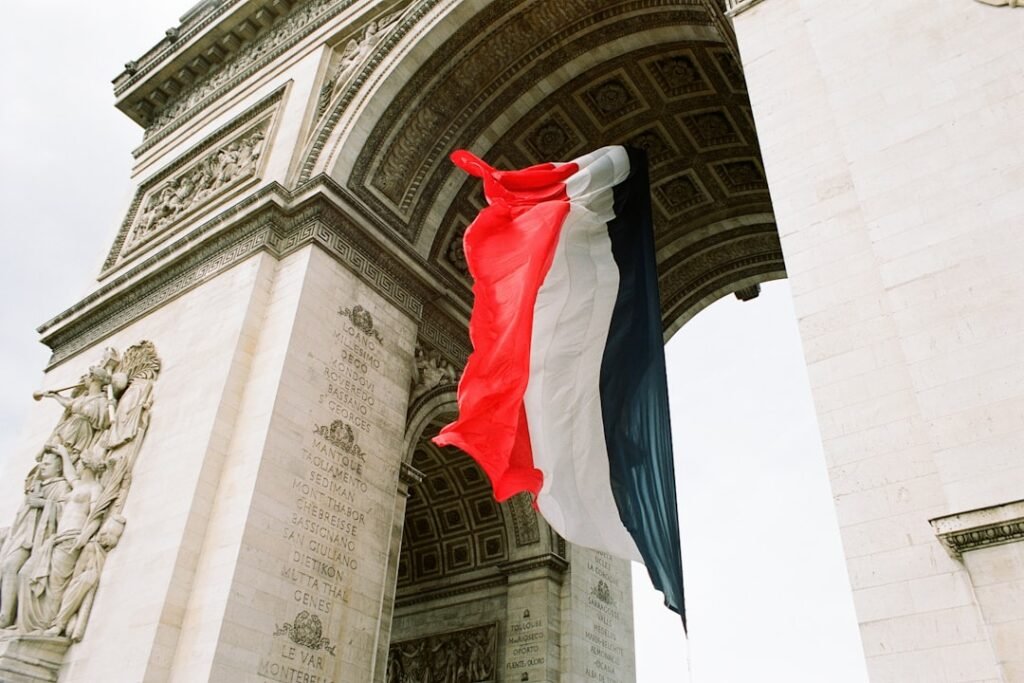
Oslo, the vibrant capital of Norway, is a city that embraces a multitude of cultures, and among them, French culture holds a special place. The allure of France, with its rich history, exquisite cuisine, and sophisticated art, has captivated the hearts of many Norwegians. In recent years, the interest in French language and culture has surged, leading to an increased demand for French courses at institutions like the NLS Norwegian Language School.
Here, students not only learn the language but also immerse themselves in the nuances of French culture, making it an enriching experience. The NLS Norwegian Language School offers a unique opportunity for individuals to delve into the world of French culture right in the heart of Oslo. Through engaging lessons that encompass conversation, literature, and culinary arts, students can explore the essence of France without ever leaving Norway.
This cultural exchange fosters a deeper understanding of the French way of life, encouraging learners to appreciate the subtleties of conversation and the joys of wine, which are integral to French social customs. Registration for French classes at the NLS Norwegian Language School in Oslo is now open.
Summary
- Embracing French culture in Oslo offers a unique opportunity to explore the art of conversation and wine appreciation.
- Tips and tricks for mastering the art of French conversation include active listening and using appropriate body language.
- Understanding the history of French wine, from vine to glass, provides a deeper appreciation for its rich heritage and tradition.
- Wine tasting 101 teaches how to appreciate and evaluate French wines, from understanding the aroma to assessing the taste.
- Enhancing the flavours of French wine through food pairing adds a new dimension to the tasting experience, creating a harmonious blend of tastes.
The Art of French Conversation: Tips and Tricks
Mastering the art of conversation in French is not merely about learning vocabulary and grammar; it is about understanding the rhythm and flow of the language. One effective tip for engaging in French conversation is to listen actively. This means paying attention not only to the words being spoken but also to the intonation and emotion behind them.
By doing so, learners can respond more naturally and contribute meaningfully to discussions. Practising with native speakers or fellow learners can significantly enhance one’s conversational skills, as it allows for real-time feedback and adjustment. Another essential aspect of French conversation is the use of idiomatic expressions and colloquialisms.
These phrases often carry cultural significance and can make conversations more lively and engaging. For instance, using expressions like “C’est la vie” (That’s life) or “Je ne sais quoi” (I don’t know what) can add a touch of authenticity to your speech. At NLS, students are encouraged to incorporate these phrases into their dialogues, helping them sound more fluent and confident while navigating various social situations.
A Brief History of French Wine: From Vine to Glass
French wine has a storied history that dates back thousands of years, intertwining with the very fabric of French culture. The Romans were among the first to cultivate vineyards in France, recognising the region’s potential for producing high-quality wines. Over centuries, various regions developed their unique styles and techniques, leading to the diverse array of wines we enjoy today.
The influence of geography, climate, and local traditions has shaped each wine-producing area, resulting in a rich tapestry of flavours and aromas. As France evolved through the Middle Ages and into modern times, so too did its wine industry. The establishment of appellations d’origine contrôlée (AOC) in the 20th century marked a significant turning point, as it set strict regulations governing wine production to ensure quality and authenticity.
This system not only protects the integrity of French wines but also enhances their reputation on the global stage. Today, French wines are celebrated worldwide for their complexity and elegance, making them a staple at dining tables across cultures.
Wine Tasting 101: How to Appreciate and Evaluate French Wines
Wine tasting is an art form that requires both knowledge and practice. To truly appreciate French wines, one must engage all five senses: sight, smell, taste, touch, and even sound. The first step in wine tasting is to observe the wine’s colour and clarity.
A well-aged red may exhibit deep hues while a young white could be bright and vibrant. Next comes the olfactory experience; swirling the wine in the glass releases its aromas, allowing tasters to identify various notes such as fruit, floral, or earthy scents. When it comes to tasting, it is essential to take small sips and let the wine linger on the palate.
This allows for a more profound understanding of its flavour profile—sweetness, acidity, tannins, and body all play crucial roles in how a wine is perceived. At NLS, students are introduced to these fundamental principles during their French courses, often culminating in practical sessions where they can apply their newfound knowledge in real-world settings.
The Importance of Food Pairing: Enhancing the Flavours of French Wine
Food pairing is an integral part of enjoying French wine; it elevates both the meal and the wine experience. The principle behind food pairing lies in balancing flavours—complementing or contrasting elements to create a harmonious dining experience. For instance, a crisp Sauvignon Blanc pairs beautifully with fresh seafood due to its acidity cutting through the richness of the dish.
Similarly, a robust Cabernet Sauvignon can enhance a hearty beef stew by matching its intensity. At NLS, students learn not only about wine but also about how to create memorable dining experiences through food pairing. They explore classic combinations that have stood the test of time while also experimenting with modern interpretations.
This knowledge empowers learners to host their own dinner parties or simply enjoy a meal with friends while confidently selecting wines that will enhance their culinary creations.
French Wine Regions: A Tour of France Through its Wines
France is home to some of the most renowned wine regions in the world, each offering distinct characteristics that reflect their terroir—the unique combination of soil, climate, and geography. Bordeaux is perhaps one of the most famous regions, known for its full-bodied reds made primarily from Cabernet Sauvignon and Merlot grapes. The region’s prestigious châteaux have become synonymous with luxury and quality.
Moving eastward, Burgundy captivates wine enthusiasts with its elegant Pinot Noir and Chardonnay wines. The region’s complex geology contributes to the diverse flavour profiles found within its wines. Meanwhile, Champagne stands out as a sparkling wine region celebrated for its méthode champenoise production process.
At NLS, students embark on a virtual tour of these regions during their courses, gaining insights into what makes each area unique while developing an appreciation for regional differences.
Common French Phrases for Wine Tasting: Impress Your Friends and Sommeliers
To navigate a wine tasting event with confidence, it is beneficial to arm oneself with some common French phrases that can impress both friends and sommeliers alike. Phrases such as “Je voudrais déguster ce vin” (I would like to taste this wine) or “Quel est le cépage?” (What is the grape variety?) can facilitate engaging conversations about wine selections. Additionally, expressing your thoughts on a wine using phrases like “Ce vin est fruité” (This wine is fruity) or “J’aime son bouquet” (I love its bouquet) can enhance your credibility as a knowledgeable taster.
At NLS, students are encouraged to practice these phrases during interactive sessions that simulate real-life wine tasting scenarios. This not only builds confidence but also fosters a sense of camaraderie among learners as they share their experiences and insights into various wines.
The Art of Pronunciation: How to Speak French Like a Pro
Pronunciation is key when learning any language, but it holds particular importance in French due to its melodic nature and nuanced sounds. To speak French like a pro, one must pay attention to vowel sounds and nasal pronunciations that are often challenging for non-native speakers. Practising with audio resources or engaging in conversation with native speakers can significantly improve pronunciation skills.
At NLS, instructors emphasise phonetics through targeted exercises that help students master difficult sounds such as “r” or “u.” By incorporating songs or poetry into lessons, learners can develop an ear for rhythm and intonation while enjoying the beauty of the language itself.
French Wine Etiquette: Dos and Don’ts for Tasting and Enjoying Wine
Understanding wine etiquette is essential for anyone looking to enjoy French wines fully. There are several dos and don’ts that can enhance one’s experience at tastings or social gatherings. For instance, it is considered polite to hold a wine glass by the stem rather than the bowl; this prevents warming the wine with your hand while allowing you to appreciate its colour more effectively.
Additionally, when tasting wine at an event or restaurant, it is customary to take small sips rather than gulping down your drink. This not only shows respect for the winemaker’s craft but also allows you to savour each sip fully. At NLS, students learn these nuances as part of their cultural education surrounding wine appreciation.
The Joys of French Culture: Embracing the Art of Conversation and Wine
Embracing French culture goes beyond just learning a language; it involves immersing oneself in its traditions and social practices. The art of conversation plays a pivotal role in this cultural experience—whether discussing literature over a glass of Bordeaux or sharing stories during a leisurely meal with friends. In France, conversations often flow freely as people connect over shared interests and experiences.
Wine serves as both a social lubricant and a focal point for gatherings in French culture. It brings people together around tables filled with delicious food while fostering connections through shared enjoyment. At NLS, students are encouraged to embrace this aspect of French culture by participating in group discussions centred around topics such as gastronomy or travel experiences—creating an environment where language learning becomes intertwined with cultural appreciation.
Embracing the French Lifestyle in Oslo
In conclusion, embracing French culture in Oslo offers an enriching experience that extends beyond mere language acquisition. Through courses at NLS Norwegian Language School, students gain insights into the art of conversation, wine appreciation, and culinary delights that define France’s cultural landscape. As they navigate this journey together—sharing laughter over idiomatic expressions or discovering new wines—the bonds formed within this community reflect the very essence of what it means to embrace another culture.
By immersing themselves in these aspects of French life while living in Oslo, learners cultivate not only linguistic skills but also an appreciation for diversity that enriches their own lives. Ultimately, this journey towards understanding French culture fosters connections that transcend borders—reminding us all that no matter where we are in the world, we can find joy in sharing stories over a glass of fine wine.




