

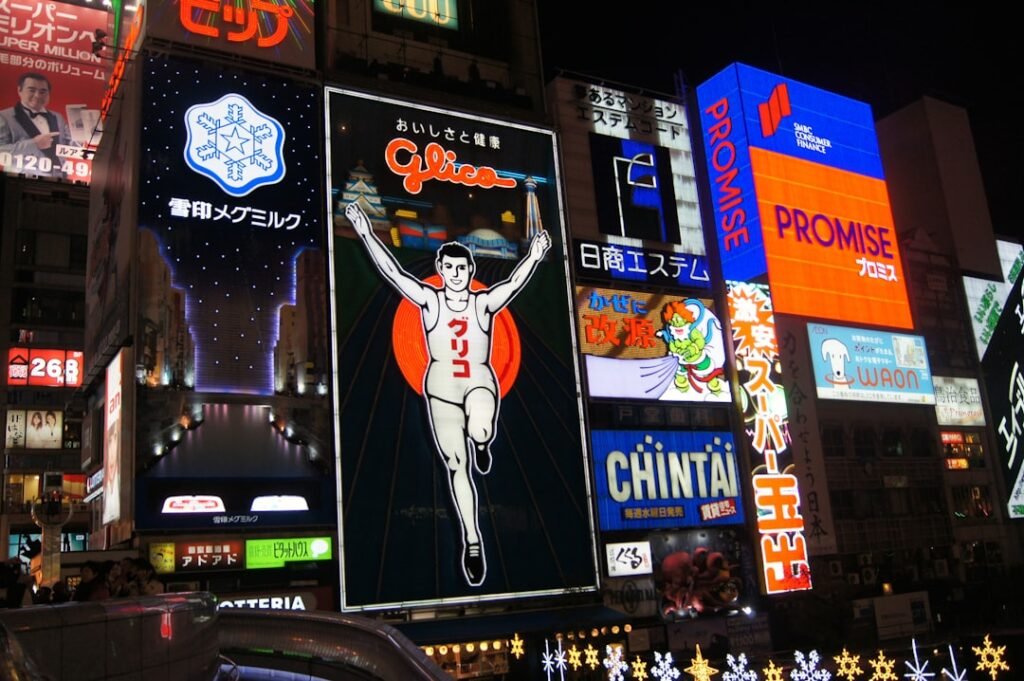
Shopping in Japan is an experience that transcends mere consumerism; it is a cultural journey that reflects the country’s rich heritage and modern innovations. From bustling street markets to high-end department stores, the variety of shopping venues is as diverse as the products they offer. Visitors to Japan often find themselves enchanted by the meticulous attention to detail, the quality of craftsmanship, and the unique blend of traditional and contemporary styles.
Whether you are hunting for the latest fashion trends, traditional kimono, or quirky souvenirs, understanding the nuances of shopping in Japan can significantly enhance your experience. Moreover, the Japanese shopping culture is characterised by a level of politeness and customer service that is unparalleled. Shopkeepers and sales staff are trained to provide exceptional service, often going out of their way to assist customers.
This dedication to customer satisfaction can make shopping in Japan feel like a personalised experience. However, for those unfamiliar with the language and cultural norms, navigating this landscape can be daunting. Therefore, equipping oneself with essential phrases and an understanding of local customs is crucial for a successful shopping expedition. Learn Japanese at the Norwegian Language School.
Summary
- Shopping in Japan offers a unique and diverse experience, with a wide range of fashion and clothing options to explore.
- When asking for sizes in Japanese, it’s helpful to know phrases such as “サイズは何ですか?” (What size is this?) and “大きいサイズはありますか?” (Do you have a larger size?).
- To inquire about colors, you can use phrases like “色は何ですか?” (What color is this?) and “他の色はありますか?” (Do you have other colors?).
- When asking for sizes and colors in Japanese, it’s important to be polite and use formal language, such as adding “です” (desu) at the end of your sentences.
- Understanding Japanese sizing charts is essential for finding the right fit, as Japanese sizes may differ from those in other countries.
Common Japanese Phrases for Asking for Sizes
When it comes to shopping for clothing in Japan, knowing how to ask for sizes is essential. The Japanese sizing system can differ significantly from Western standards, making it important to communicate your needs effectively. A few key phrases can help you navigate this aspect of shopping with ease.
For instance, “サイズはありますか?” (Saizu wa arimasu ka?) translates to “Do you have this in size…?” This phrase can be adapted by inserting the specific size you are looking for, such as “M” or “L”. Another useful phrase is “このサイズは大きいですか?” (Kono saizu wa ookii desu ka?), meaning “Is this size big?” This question can help clarify whether the item you are considering will fit comfortably. Additionally, understanding the terms for different sizes—such as “小さい” (chiisai) for small, “中” (naka) for medium, and “大きい” (ookii) for large—will empower you to express your preferences more clearly.
Familiarising yourself with these phrases will not only facilitate smoother transactions but also demonstrate respect for the local language and culture.
Common Japanese Phrases for Asking for Colors
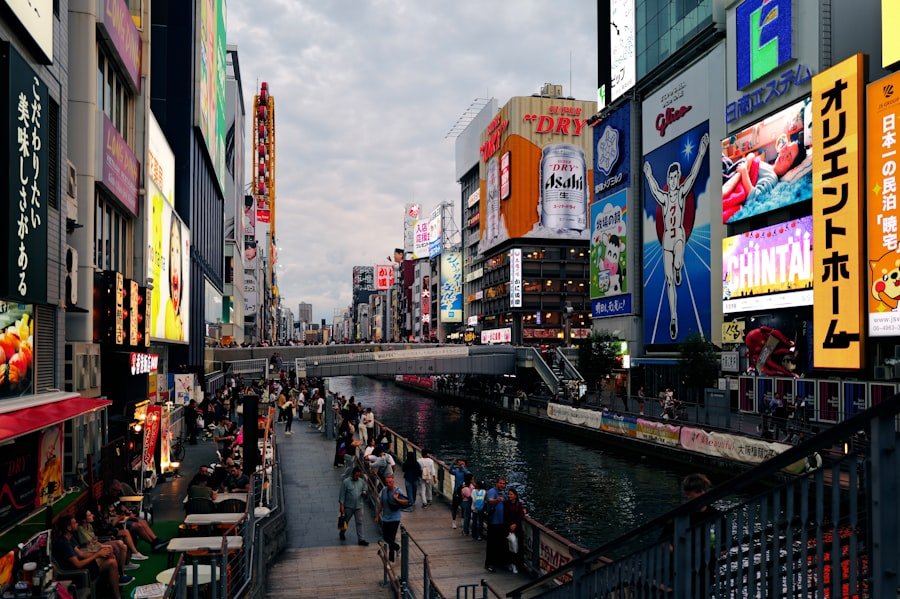
In addition to sizes, colour is another critical aspect when shopping for clothing in Japan. The Japanese language offers a rich vocabulary for colours, and knowing how to ask about them can enhance your shopping experience. A simple yet effective phrase is “この色はありますか?” (Kono iro wa arimasu ka?), which means “Do you have this colour?” This phrase can be particularly useful when you have a specific colour in mind.
Furthermore, it is beneficial to learn the names of common colours in Japanese. For example, “赤” (aka) means red, “青” (ao) means blue, and “緑” (midori) means green. By combining these colour terms with your size inquiries, you can create more specific questions such as “この赤いサイズはありますか?” (Kono akai saizu wa arimasu ka?), meaning “Do you have this in red size…?” This level of specificity not only aids in communication but also shows your willingness to engage with the language.
How to Ask for Sizes and Colors in Japanese
Asking for sizes and colours in Japanese can be straightforward once you have mastered a few key phrases. When entering a store, it is helpful to start with a polite greeting such as “こんにちは” (Konnichiwa), meaning “Hello.” Following this, you can express your interest in a particular item by saying “これを見せてください” (Kore o misete kudasai), which translates to “Please show me this.” Once you have the item in hand, you can proceed to inquire about sizes and colours. For example, if you are holding a shirt and want to know if it comes in a different size or colour, you could say, “このシャツは他のサイズや色がありますか?” (Kono shatsu wa hoka no saizu ya iro ga arimasu ka?), meaning “Does this shirt come in other sizes or colours?” This approach not only conveys your request clearly but also invites the shop assistant to provide additional options that may suit your preferences.
Understanding Japanese Sizing Charts
Understanding Japanese sizing charts is crucial for making informed purchases while shopping in Japan. Unlike Western sizing systems that often use small, medium, and large labels, Japanese sizes are typically numbered or categorised differently. For instance, a Japanese size 9 may correspond to a UK size 6 or 8, depending on the brand.
Therefore, it is advisable to consult sizing charts available in stores or online before making a purchase. Many clothing stores in Japan provide sizing charts that include measurements for bust, waist, and hip sizes. Familiarising yourself with these measurements can help you select the right size more confidently.
Additionally, some stores may offer fitting rooms where you can try on items before buying them. If you are unsure about which size to choose based on the chart, do not hesitate to ask a sales assistant for assistance; they are usually more than willing to help.
Tips for Communicating Your Preferences Clearly

Effective communication is key when shopping in Japan, especially if you want to convey your preferences clearly. One of the best tips is to use simple language and avoid overly complex sentences. This approach not only makes it easier for shop assistants to understand you but also reduces the likelihood of miscommunication.
Additionally, using gestures or pointing at items can further clarify your requests. Another helpful tip is to be patient and polite during your interactions. The Japanese culture places great emphasis on respect and courtesy; therefore, using polite language such as “お願いします” (onegaishimasu), meaning “please,” can go a long way in fostering positive interactions.
If you encounter any difficulties in communication, do not hesitate to ask if they speak English or if there are any translation aids available.
Polite and Formal Language for Shopping in Japan
Politeness is deeply ingrained in Japanese culture, and this extends to shopping interactions as well. Using formal language when speaking with shop assistants is not only respectful but also expected. For instance, instead of simply saying “これください” (Kore kudasai), which means “I want this,” it is more polite to say “これをいただけますか?” (Kore o itadakemasu ka?), which translates to “May I have this?” Additionally, incorporating honourifics into your speech can enhance your politeness level.
For example, using “さん” (san) after a person’s name or title shows respect. When addressing shop staff or asking for assistance, using formal phrases will create a more pleasant atmosphere and may even lead to better service.
How to Ask for Assistance in Japanese Stores
Asking for assistance in Japanese stores can be done with ease once you know the right phrases. A common way to request help is by saying “すみません、手伝っていただけますか?” (Sumimasen, tetsudatte itadakemasu ka?), which means “Excuse me, could you help me?” This phrase is polite and direct, making it suitable for various situations. If you need assistance finding a specific item or navigating the store layout, you might say “この商品はどこにありますか?” (Kono shouhin wa doko ni arimasu ka?), meaning “Where can I find this product?” Being clear about what you need will help shop assistants provide the best possible service.
Navigating Japanese Fashion and Clothing Terminology
Navigating Japanese fashion terminology can be an exciting yet challenging aspect of shopping in Japan. Familiarising yourself with common terms related to clothing styles and materials will enhance your understanding of what is available. For instance, knowing that “ジャケット” (jaketto) means jacket and “ドレス” (doresu) means dress will help you identify items more easily.
Additionally, understanding fabric types can also be beneficial when making purchases. Terms like “コットン” (koton) for cotton and “ウール” (uuru) for wool are commonly used in clothing descriptions. By learning these terms, you will be better equipped to ask questions about specific items and make informed decisions based on your preferences.
Cultural Considerations When Shopping in Japan
Shopping in Japan involves more than just purchasing items; it also requires an understanding of cultural norms and practices. For instance, it is customary to greet shop staff upon entering a store with a polite “いらっしゃいませ” (irasshaimase), which means “Welcome.” This greeting sets a positive tone for your shopping experience. Moreover, when making a purchase, it is important to remember that cash is still widely used in Japan despite the rise of digital payments.
Many smaller shops may not accept credit cards; therefore, carrying sufficient cash is advisable. Additionally, when receiving change or items from shop staff, it is customary to accept them with both hands as a sign of respect.
Mastering the Art of Shopping in Japanese
Mastering the art of shopping in Japan requires a blend of language skills and cultural awareness. By familiarising yourself with common phrases related to sizes and colours, understanding sizing charts, and employing polite language during interactions, you can navigate the shopping landscape with confidence. Moreover, being aware of cultural considerations will enhance your overall experience and foster positive interactions with shop staff.
For those looking to deepen their understanding of the Japanese language further—especially as it pertains to shopping—the NLS Norwegian Language School offers comprehensive Japanese courses tailored to various proficiency levels. These courses not only cover essential vocabulary but also delve into cultural nuances that are vital for effective communication in everyday situations like shopping. By investing time in learning Japanese at NLS, you will equip yourself with the tools necessary to fully embrace the vibrant shopping culture of Japan and make your experiences all the more rewarding.
Ready to speak Japanese? Enroll for Japanese classes at the NLS Norwegian Language School!




