


Bowing, or “ojigi,” is an integral aspect of Japanese culture that transcends mere physical gesture; it embodies respect, humility, and social hierarchy. In Japan, bowing is not just a form of greeting but a profound expression of one’s feelings and intentions. It serves as a non-verbal communication tool that conveys emotions ranging from gratitude to apology, and even reverence.
The act of bowing is deeply rooted in the historical context of Japan, where Confucian values have significantly influenced social interactions. This cultural practice reflects the importance placed on harmony and respect within Japanese society, making it essential for anyone wishing to engage meaningfully with the culture. Moreover, bowing is a reflection of the intricate social fabric that characterises Japan.
It is a gesture that signifies the acknowledgment of another person’s presence and status, reinforcing the hierarchical nature of relationships. In a society where group harmony is paramount, bowing acts as a bridge that fosters mutual respect and understanding. For visitors to Japan, grasping the significance of this gesture is crucial for navigating social interactions and demonstrating cultural sensitivity.
Understanding the nuances of bowing can enhance one’s experience in Japan, allowing for deeper connections with locals and a more authentic engagement with the culture. Learn Japanese at the Norwegian Language School.
Summary
- Bowing is a crucial aspect of Japanese culture, symbolizing respect, gratitude, and humility.
- There are different types of bows, such as the informal “eshaku” and the deeper “saikeirei”, each carrying its own meaning and level of formality.
- Knowing when and how to bow in various situations, such as greeting someone or showing appreciation, is essential in Japanese etiquette.
- Proper posture and body language during a bow are important, including keeping the back straight and the eyes down.
- In business and professional settings, bowing etiquette is particularly significant, with the depth and duration of the bow reflecting the level of respect.
The Different Types of Bows and Their Meanings
In Japan, there are several types of bows, each with its own specific meaning and context. The most common bow is the “eshaku,” which involves a slight bend at the waist of about 15 degrees. This bow is typically used in casual situations, such as greeting acquaintances or thanking someone for a small favour.
It is a polite gesture that conveys respect without being overly formal. On the other hand, the “keirei” bow is more formal, involving a deeper bend of approximately 30 degrees. This type of bow is often used in business settings or when addressing someone of higher status, such as a senior executive or an elder.
The most profound form of bowing is known as “saikeirei,” which entails a deep bow of about 45 degrees. This gesture is reserved for moments of utmost respect or apology, such as during formal ceremonies or when expressing sincere regret. Each type of bow not only varies in depth but also in duration; a longer bow typically signifies greater respect or sincerity.
Understanding these distinctions is vital for anyone looking to navigate social interactions in Japan effectively. By recognising the appropriate type of bow for different situations, one can communicate respect and understanding, thereby fostering positive relationships.
When and How to Bow in Various Situations

Bowing is employed in numerous situations throughout daily life in Japan, each requiring a different approach depending on the context. In formal settings, such as business meetings or ceremonies, it is customary to bow upon greeting others and when parting ways. The initial bow serves as an introduction, while the farewell bow expresses gratitude for the interaction.
In more casual environments, such as among friends or family, a simple nod or slight bow may suffice. However, even in these relaxed settings, maintaining an awareness of the appropriate level of formality is essential. In addition to greetings and farewells, bowing plays a significant role during expressions of gratitude or apology.
When thanking someone for their assistance or kindness, a slight bow accompanied by a verbal expression of thanks can enhance the sincerity of the gesture. Conversely, when apologising, a deeper bow conveys genuine remorse and acknowledgment of one’s mistake. It is important to note that the context dictates not only the depth of the bow but also its timing; for instance, bowing while speaking can be perceived as insincere.
Therefore, mastering the timing and execution of bows in various situations is crucial for effective communication in Japan.
The Art of Proper Posture and Body Language During a Bow
The effectiveness of a bow extends beyond mere bending at the waist; proper posture and body language are equally important components that contribute to the overall impression conveyed by the gesture. When preparing to bow, one should stand upright with feet shoulder-width apart and arms relaxed at one’s sides. As one bends forward, it is essential to keep the back straight and avoid slouching, as this can be interpreted as a lack of confidence or respect.
Maintaining eye contact before bowing can also enhance the sincerity of the gesture, signalling attentiveness and engagement. Additionally, the duration of the bow plays a significant role in conveying respect. A brief bow may suggest casualness or indifference, while a longer bow indicates greater sincerity and reverence.
Upon returning to an upright position, it is customary to maintain eye contact with the other person to reinforce the connection established through the bow. Overall, mastering proper posture and body language during a bow not only enhances its effectiveness but also reflects one’s understanding and appreciation of Japanese cultural norms.
Bowing Etiquette in Business and Professional Settings
In business contexts, bowing etiquette takes on added significance due to the hierarchical nature of Japanese corporate culture. When entering a meeting or greeting colleagues, it is customary to initiate a bow as a sign of respect. The depth of the bow should correspond to the status of the individuals involved; for instance, when addressing a superior or client, a deeper bow is appropriate to convey deference.
Additionally, it is common practice to exchange business cards while bowing; this ritual underscores the importance of establishing connections based on mutual respect. During negotiations or discussions, maintaining an appropriate level of formality through bows can significantly impact professional relationships. It is advisable to observe how others engage in bowing within the context to gauge the expected level of formality.
Furthermore, when concluding meetings or parting ways with colleagues or clients, offering a final bow reinforces gratitude for their time and contributions. By adhering to these etiquette guidelines in business settings, individuals can foster positive relationships and demonstrate their commitment to understanding Japanese cultural practices.
Bowing Etiquette in Social and Casual Settings
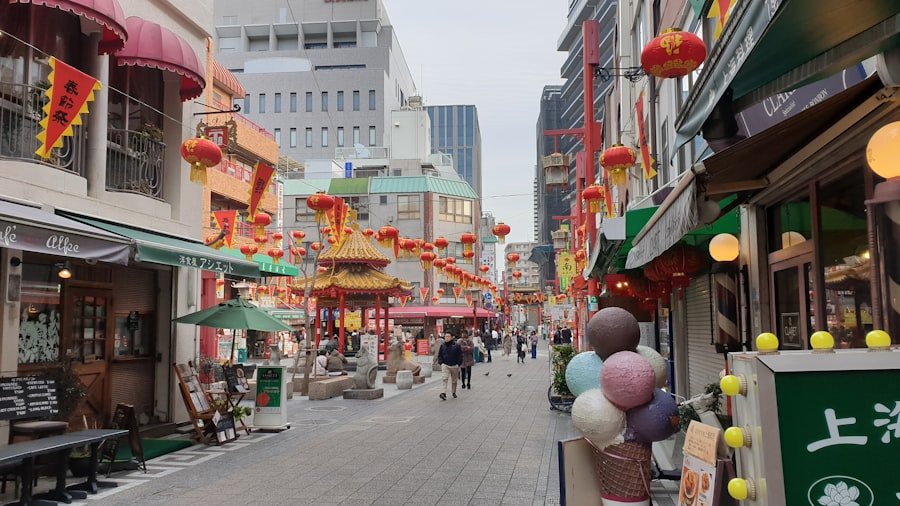
In social settings, bowing etiquette tends to be more relaxed compared to formal environments; however, it still holds importance in conveying respect and appreciation among friends and acquaintances. When meeting someone for the first time or greeting an elder, a slight bow accompanied by a warm smile can create an inviting atmosphere. In casual gatherings, such as family events or outings with friends, bows may be less pronounced but still serve as gestures of goodwill.
When expressing gratitude or congratulations in social contexts, incorporating a slight bow can enhance the sincerity of one’s words. For instance, thanking someone for hosting a gathering or celebrating an achievement can be complemented by a gentle nod or bow. It is essential to remain attuned to the dynamics of each social situation; observing how others engage in bows can provide valuable insights into appropriate behaviour.
Ultimately, while bows may be less formal in casual settings, they still play a vital role in fostering positive interactions and reinforcing social bonds.
How to Respond to a Bow and Return the Gesture
Responding to a bow appropriately is just as important as initiating one; it reflects mutual respect and understanding between individuals. When someone bows to you, it is customary to return the gesture with an equal or slightly deeper bow depending on your relationship with that person. This reciprocal action signifies acknowledgment and appreciation for their gesture while reinforcing social harmony.
In situations where you may feel uncertain about how deeply to bow in response, it is advisable to mirror the depth and duration of the other person’s bow. This mirroring technique not only demonstrates attentiveness but also helps establish rapport between both parties. Additionally, maintaining eye contact during this exchange can further enhance the connection established through the bows.
By responding appropriately to bows, individuals can foster positive interactions and demonstrate their understanding of Japanese cultural norms.
Common Mistakes to Avoid When Bowing in Japan
While bowing may seem straightforward, there are several common mistakes that individuals should be mindful of when engaging in this cultural practice. One prevalent error is failing to gauge the appropriate depth of the bow based on social hierarchy; misjudging this can lead to perceptions of disrespect or insincerity. It is crucial to observe how others engage in bows within specific contexts to ensure that one’s gestures align with cultural expectations.
Another common mistake involves rushing through the act of bowing; hasty bows can come across as insincere or dismissive. Taking time to execute a proper bow with appropriate depth and duration conveys genuine respect and appreciation for the other person. Additionally, avoiding eye contact during a bow can signal disinterest or lack of confidence; maintaining eye contact before and after executing a bow reinforces engagement and attentiveness.
By being aware of these common pitfalls, individuals can navigate social interactions more effectively while demonstrating cultural sensitivity.
The Role of Bowing in Japanese Religion and Tradition
Bowing holds significant importance within various aspects of Japanese religion and tradition as well. In Shinto practices, for instance, individuals often perform bows at shrines as acts of reverence towards deities and ancestors. These bows are typically accompanied by specific rituals that reflect deep respect for spiritual beliefs and cultural heritage.
Similarly, during Buddhist ceremonies, practitioners may engage in multiple bows as expressions of humility and devotion. Beyond religious contexts, traditional ceremonies such as tea ceremonies also incorporate bows as essential components that signify respect towards participants and rituals alike. The act of bowing within these traditions reinforces communal bonds while highlighting shared values rooted in respect and harmony.
Understanding this spiritual dimension adds another layer to appreciating the significance of bows within Japanese culture.
How Bowing Differs in Different Regions of Japan
While bowing is universally recognised across Japan, regional variations exist that reflect local customs and practices. For instance, individuals from Osaka may employ slightly different styles or depths when bowing compared to those from Tokyo; these nuances often stem from historical influences unique to each region. Additionally, certain areas may have specific gestures associated with local festivals or traditions that incorporate bows into their celebrations.
These regional differences highlight how cultural practices evolve over time while remaining rooted in shared values across Japan. Visitors should remain open-minded about these variations while engaging with locals; observing how individuals from different regions approach bows can provide valuable insights into their unique cultural identities.
Tips for Visitors and Tourists on Bowing in Japan
For visitors and tourists navigating Japanese culture for the first time, understanding how to engage in proper bowing etiquette can significantly enhance their experience. Firstly, it is advisable to observe locals when entering new social situations; watching how others greet one another through bows can provide valuable guidance on expected behaviours. Additionally, practising bows before engaging with locals can help build confidence; even simple gestures like slight nods can convey goodwill without requiring perfect execution.
When unsure about how deeply to bow or when to initiate one’s own gesture, erring on the side of caution by opting for slightly deeper bows can demonstrate respect. Lastly, embracing humility throughout interactions will resonate positively with locals; acknowledging one’s unfamiliarity with customs while expressing genuine interest fosters goodwill between visitors and residents alike. By approaching these cultural nuances with openness and respectfulness towards local traditions—such as those surrounding bows—tourists can create meaningful connections during their time in Japan.
As you immerse yourself in Japanese culture through practices like bowing, consider enhancing your language skills at NLS Norwegian Language School’s Japanese courses. These courses offer an excellent opportunity not only to learn the language but also to understand cultural nuances that accompany it—making your experience in Japan even more enriching!
Ready to speak Japanese? Enroll for Japanese classes at the NLS Norwegian Language School!




