

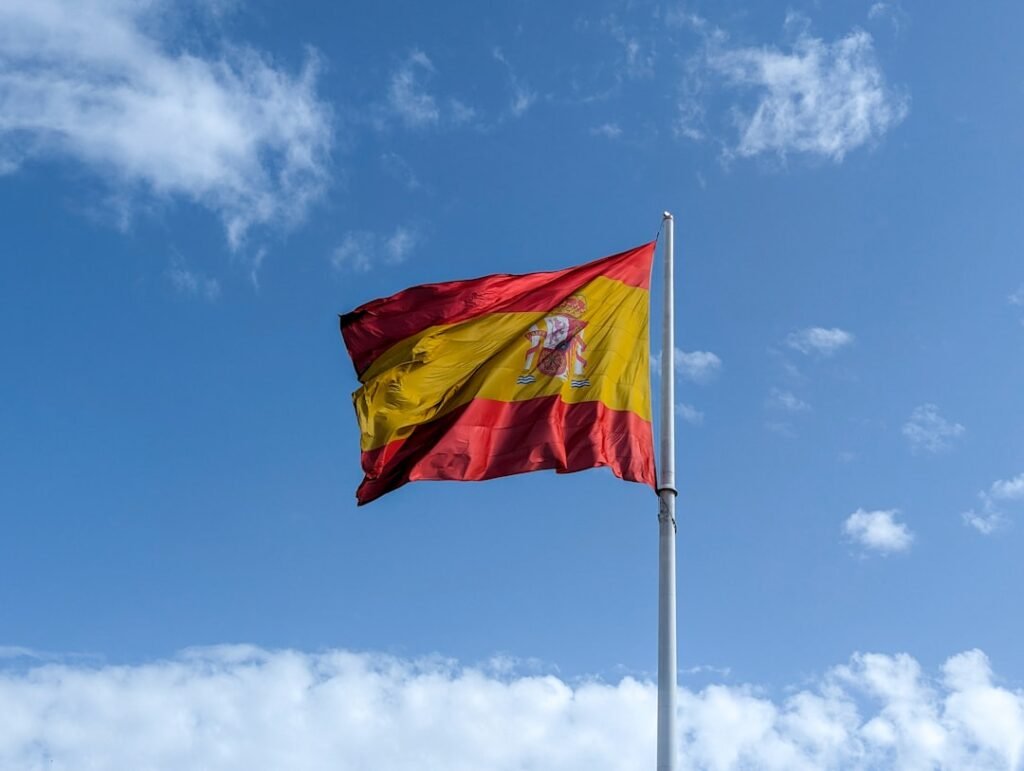
Oslo, the vibrant capital of Norway, is a city that embraces a multitude of cultures, and among them, Spanish culture has carved out a significant niche. The allure of Spain, with its rich history, tantalising cuisine, and passionate traditions, has found its way into the hearts of many Oslo residents. From lively tapas bars to flamenco performances, the essence of Spain is palpable in various corners of the city.
This cultural exchange not only enriches the local community but also provides an opportunity for Norwegians and expatriates alike to immerse themselves in the warmth and vibrancy of Spanish life. The growing interest in Spanish culture in Oslo can be attributed to several factors. The increasing number of Spanish expatriates and tourists has led to a greater appreciation for the language, food, and customs associated with Spain.
Additionally, the rise of Spanish language courses at institutions like the NLS Norwegian Language School has made it easier for locals to engage with this captivating culture. As more people seek to learn the language, they also develop a deeper understanding of the traditions and values that define Spanish society. Start learning Spanish this season. Enroll in a course at the NLS Norwegian Language School.
Summary
- Spanish culture in Oslo offers a unique blend of traditions, food, and social experiences.
- The origins of Spanish tapas can be traced back to the practice of covering drinks with small plates to keep out insects.
- Planning a Spanish conversation and tapas night involves selecting a variety of small dishes and preparing conversation topics in advance.
- Language plays a crucial role in Spanish culture, as it reflects the diversity and regional differences within the country.
- Making sangria involves combining red wine, fruit, and a sweetener to create a refreshing and flavourful drink.
The Origins of Spanish Tapas
Tapas, a quintessential element of Spanish cuisine, have a fascinating history that reflects the social fabric of Spain itself. The term “tapa” originates from the Spanish word “tapar,” meaning “to cover.” Traditionally, these small plates were served as a cover for drinks to keep flies away, evolving over time into a beloved culinary tradition. Each region in Spain boasts its own unique tapas, showcasing local ingredients and flavours.
From the spicy patatas bravas of Madrid to the seafood delicacies of coastal regions, tapas offer a delightful glimpse into the diverse gastronomic landscape of Spain. The cultural significance of tapas extends beyond mere sustenance; they embody the spirit of sharing and conviviality that is central to Spanish life. In Spain, dining is not just about eating; it is an experience that fosters connection and conversation.
Tapas are often enjoyed in a social setting, where friends and family gather to share stories and laughter over a variety of dishes. This communal aspect of dining has made tapas a popular choice for gatherings in Oslo, where locals are eager to recreate the lively atmosphere of Spanish bars.
Planning a Spanish Conversation and Tapas Night
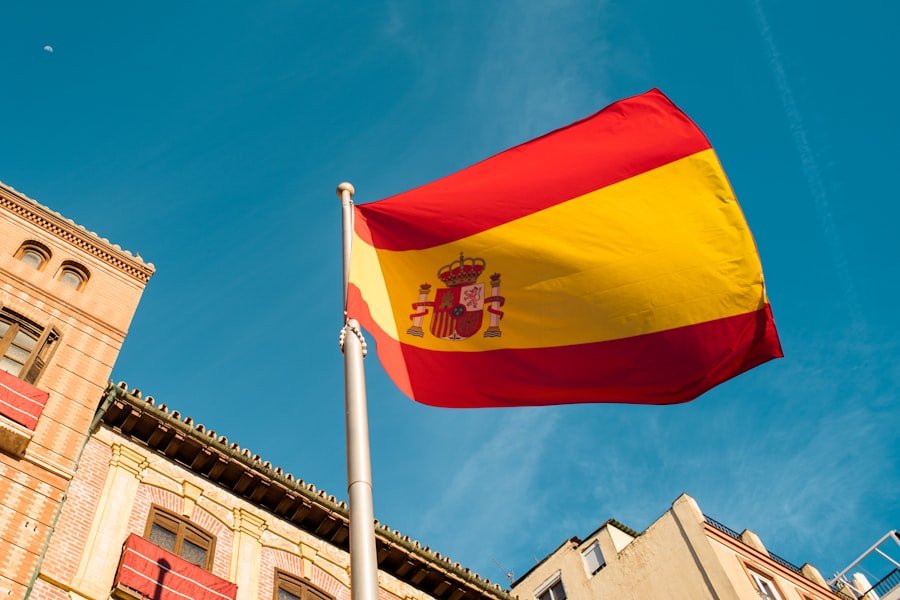
Organising a Spanish conversation and tapas night can be an exciting way to bring friends together while celebrating the flavours and language of Spain. To create an authentic experience, one should start by selecting a variety of tapas that cater to different tastes. Classic options such as chorizo al vino, gambas al ajillo, and patatas bravas can be complemented by vegetarian choices like pimientos de padrón and pan con tomate.
The key is to offer a diverse selection that encourages guests to sample and share. In addition to the culinary delights, incorporating elements of the Spanish language into the evening can enhance the experience. Guests can be encouraged to learn basic phrases or engage in simple conversations in Spanish.
This not only adds an educational aspect to the gathering but also fosters a deeper appreciation for the culture. To further immerse everyone in the experience, consider playing traditional Spanish music in the background or even organising a short flamenco dance demonstration. By blending language learning with culinary exploration, participants can enjoy a truly memorable evening.
The Importance of Language in Spanish Culture
Language is an integral part of any culture, serving as a vessel for communication and expression. In Spain, the Spanish language is not just a means of conversation; it is a reflection of the country’s rich history and diverse regional identities. Each dialect and variation adds depth to the cultural tapestry, showcasing the unique characteristics of different regions.
For those living in Oslo, learning Spanish opens doors to understanding these nuances and connecting with the vibrant community of Spanish speakers. At institutions like the NLS Norwegian Language School, students are not only taught grammar and vocabulary but also immersed in cultural contexts that enhance their learning experience. Understanding idiomatic expressions, regional variations, and cultural references allows learners to engage more meaningfully with native speakers.
This linguistic journey fosters appreciation for Spain’s literary heritage, music, and art, enriching one’s overall understanding of Spanish culture.
The Art of Making Sangria
No Spanish gathering is complete without a refreshing pitcher of sangria. This iconic beverage embodies the spirit of summer in Spain and is perfect for social occasions. The origins of sangria can be traced back to ancient times when wine was mixed with fruits and spices for flavour enhancement.
Today, sangria has evolved into a delightful concoction that combines red or white wine with an array of fruits such as oranges, lemons, and berries, along with a splash of brandy or soda for added zest. Creating the perfect sangria involves balancing flavours and allowing the ingredients to meld together harmoniously. Start by selecting a good-quality wine as the base; this will significantly impact the final taste.
Fresh fruits should be cut into bite-sized pieces and added to the wine along with a touch of sweetness from sugar or fruit juice. Allowing the mixture to chill for several hours or overnight enhances the infusion of flavours, resulting in a refreshing drink that captures the essence of Spain. Serving sangria in large pitchers encourages sharing and conversation, making it an ideal addition to any tapas night.
Creating the Perfect Ambiance for a Spanish Evening
To truly capture the essence of Spain during your gathering, creating an inviting ambiance is essential. Begin by setting up your space with warm lighting that evokes a cosy atmosphere reminiscent of traditional Spanish taverns. Soft candlelight or string lights can add a touch of charm while creating an intimate setting for conversation.
Decorations can also play a significant role in enhancing the Spanish theme. Consider incorporating elements such as colourful tablecloths, ceramic dishes, and vibrant artwork that reflect Spanish culture. Additionally, playing traditional Spanish music or flamenco guitar in the background can transport guests to the heart of Spain, enriching their experience further.
By thoughtfully curating your environment, you can create an unforgettable evening that celebrates both language and culture.
The Role of Music in Spanish Culture
Music is an integral part of Spanish culture, serving as both entertainment and a means of expression. From flamenco to salsa, each genre tells a story that resonates with listeners on various levels. Flamenco, in particular, is deeply rooted in Andalusian culture and is characterised by its passionate guitar playing, intricate footwork, and emotive singing.
This art form encapsulates the spirit of Spain’s diverse heritage and has gained international acclaim. In Oslo, opportunities to experience live Spanish music abound. Many local venues host performances featuring talented musicians who bring authentic sounds from Spain to life.
Attending these events not only provides entertainment but also fosters connections within the community as people come together to celebrate their shared love for music and culture. For those learning Spanish at institutions like NLS Norwegian Language School, engaging with music can enhance language acquisition by exposing learners to colloquial expressions and cultural references embedded within lyrics.
Exploring the Diversity of Spanish Cuisine
Spanish cuisine is renowned for its diversity, reflecting the country’s varied geography and cultural influences. Each region boasts its own culinary traditions that showcase local ingredients and flavours. From hearty stews in Galicia to seafood paella in Valencia, there is no shortage of delicious dishes to explore.
This diversity makes Spanish cuisine particularly appealing to food enthusiasts in Oslo who are eager to expand their palates. One cannot discuss Spanish cuisine without mentioning its emphasis on fresh ingredients and bold flavours. Olive oil plays a central role in many dishes, serving as both a cooking medium and dressing for salads or bread.
Herbs such as saffron and paprika add depth to traditional recipes while seasonal vegetables provide vibrant colours and textures. For those interested in learning more about cooking authentic Spanish dishes, participating in cooking classes or workshops can be an enriching experience that deepens their appreciation for this culinary heritage.
The Social Aspect of Spanish Dining
Dining in Spain is not merely about satisfying hunger; it is an experience steeped in social interaction and connection. Meals are often lengthy affairs where families and friends gather around tables laden with food, sharing stories and laughter over multiple courses. This communal approach to dining fosters relationships and creates lasting memories.
In Oslo, many restaurants have embraced this aspect of Spanish dining by offering shared plates or family-style meals that encourage guests to interact with one another. The concept of “sobremesa,” which refers to the time spent lingering at the table after a meal to engage in conversation, is also gaining popularity among locals who appreciate the value of connection over food. By adopting this social approach to dining, individuals can cultivate deeper relationships while enjoying delicious cuisine.
Learning to Embrace the Spanish Way of Life
Embracing the Spanish way of life involves more than just indulging in food and drink; it requires an appreciation for cultural values such as community, family, and leisure time. Spaniards prioritise spending quality time with loved ones and often take leisurely breaks throughout their day to enjoy meals or engage in social activities. This emphasis on balance serves as a reminder for those living in Oslo to slow down and savour life’s moments.
For individuals learning Spanish at institutions like NLS Norwegian Language School, immersing oneself in these cultural values can enhance their language skills while fostering connections within their community. Participating in local events celebrating Spanish culture or joining conversation groups can provide opportunities for meaningful interactions that extend beyond language learning.
Embracing Spanish Culture in Oslo
As Oslo continues to evolve into a multicultural hub, embracing Spanish culture offers residents an opportunity to enrich their lives through language, cuisine, music, and social connections. From organising tapas nights filled with laughter to attending live music performances that celebrate Spain’s rich heritage, there are countless ways for individuals to engage with this vibrant culture. Institutions like NLS Norwegian Language School play a crucial role in facilitating this cultural exchange by providing language courses that empower individuals to connect more deeply with their surroundings.
By embracing the essence of Spain—its warmth, passion, and sense of community—Oslo residents can create lasting memories while fostering connections that transcend borders. Ultimately, celebrating Spanish culture enriches not only individual lives but also strengthens the fabric of Oslo’s diverse community.
Enroll in a Spanish course at the NLS Norwegian Language School.




