

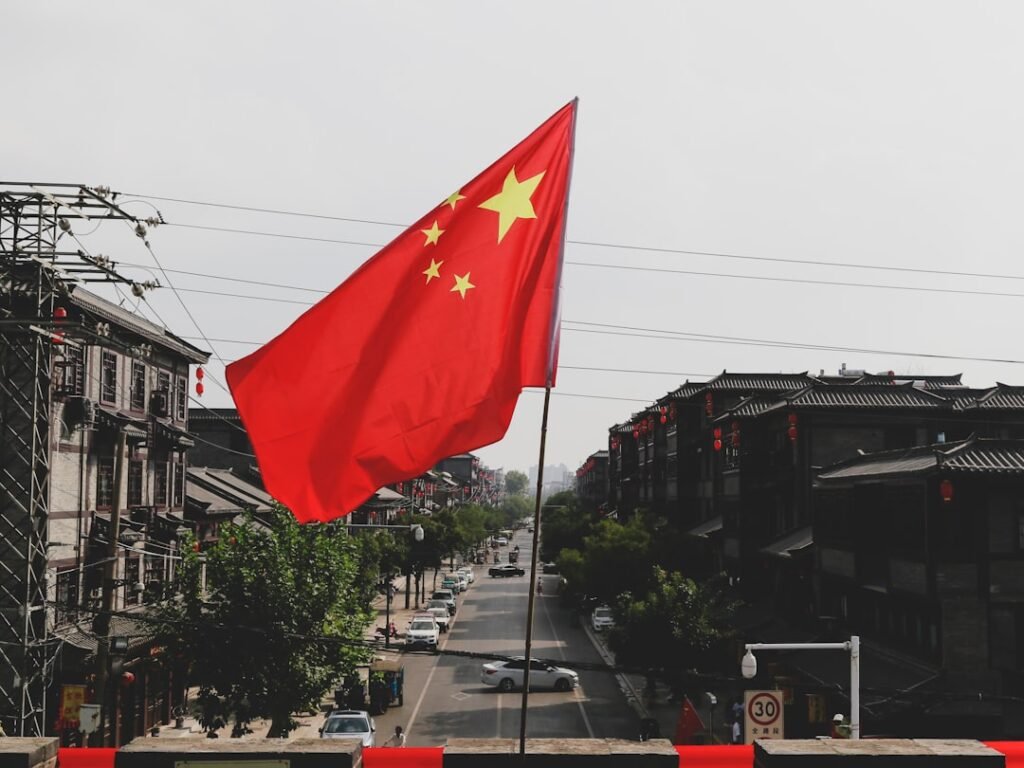
Chinese New Year, also known as the Spring Festival, is one of the most significant and widely celebrated festivals in the Chinese calendar. It marks the beginning of a new lunar year and is a time for family reunions, feasting, and various cultural festivities. The festival typically falls between late January and mid-February, depending on the lunar calendar, and lasts for 15 days, culminating in the Lantern Festival.
This vibrant celebration is not only a time for joy and merriment but also a period steeped in rich traditions and customs that have been passed down through generations. As the world becomes increasingly interconnected, the celebration of Chinese New Year has transcended geographical boundaries, finding its way into various cultures and communities around the globe. In Oslo, Norway, the festival is embraced with enthusiasm, showcasing the city’s commitment to multiculturalism and diversity.
The significance of Chinese New Year extends beyond mere festivities; it serves as a reminder of the importance of family, heritage, and cultural identity. As we delve deeper into the history, customs, and celebrations associated with this remarkable festival, we will also explore how it can be integrated into language education, particularly at institutions like the NLS Norwegian Language School. Invest in your future. Sign up for a professional Chinese course at the NLS Norwegian Language School.
Summary
- Chinese New Year, also known as the Spring Festival, is the most important traditional festival in China and is celebrated by Chinese communities around the world.
- The festival has a history of over 3,500 years and is deeply rooted in Chinese culture, with various customs and rituals symbolizing good luck, prosperity, and family reunion.
- Traditional customs and rituals include cleaning the house to sweep away bad luck, decorating with red lanterns and couplets, and giving red envelopes with money to children for good fortune.
- Chinese New Year is celebrated in Oslo with various events such as dragon and lion dances, traditional music and dance performances, and delicious Chinese cuisine.
- Incorporating Chinese New Year into language courses provides students with valuable opportunities to learn about Chinese culture and traditions, enhancing their language learning experience.
History and significance of Chinese New Year
The origins of Chinese New Year can be traced back over 4,000 years to ancient agricultural practices in China. Initially, it was a time to honour deities and ancestors while celebrating the harvest. The festival has evolved significantly over the centuries, influenced by various dynasties and cultural shifts.
One of the most enduring legends associated with Chinese New Year is that of Nian, a mythical beast that would terrorise villages at the start of each new year. To ward off Nian, people would decorate their homes with red lanterns and couplets, set off firecrackers, and wear red clothing—traditions that continue to this day. The significance of Chinese New Year lies not only in its historical roots but also in its role as a time for renewal and reflection.
It is a period when families come together to honour their ancestors and express gratitude for the past year while looking forward to new beginnings. Each year is associated with one of the twelve animals of the Chinese zodiac, which adds an additional layer of meaning to the celebrations. The festival embodies themes of prosperity, happiness, and good fortune, making it a cherished occasion for millions around the world.
Traditional customs and rituals

Traditional customs and rituals play a pivotal role in the celebration of Chinese New Year, each imbued with symbolic meaning. One of the most prominent customs is the reunion dinner held on New Year’s Eve, where families gather to enjoy a lavish meal featuring dishes that symbolise wealth and prosperity. Dumplings, fish, and rice cakes are common staples during this feast, each representing different auspicious meanings.
The act of sharing food during this time reinforces familial bonds and signifies unity. Another essential ritual is the practice of giving red envelopes, known as “hongbao,” which contain money and are typically exchanged between family members, especially from elders to children. This gesture is believed to bring good luck and ward off evil spirits.
Additionally, cleaning the house before the New Year is a common practice aimed at sweeping away bad luck from the previous year and making way for incoming good fortune. These customs not only enrich the festive atmosphere but also serve as a means of preserving cultural heritage.
Chinese New Year in Oslo
In Oslo, the celebration of Chinese New Year has gained momentum over recent years, reflecting the city’s growing appreciation for cultural diversity. Various events are organised throughout the city to mark this festive occasion, including parades, cultural performances, and food fairs that showcase traditional Chinese cuisine. The vibrant atmosphere created by these celebrations allows both locals and visitors to immerse themselves in the rich tapestry of Chinese culture.
Local communities often come together to host events that feature lion dances, martial arts demonstrations, and traditional music performances. These activities not only entertain but also educate attendees about the significance of Chinese New Year and its associated customs. The participation of diverse groups in these celebrations highlights Oslo’s commitment to fostering an inclusive environment where different cultures can thrive side by side.
Incorporating Chinese New Year into language courses
At NLS Norwegian Language School in Oslo, we recognise the importance of integrating cultural celebrations like Chinese New Year into our language courses. By doing so, we provide students with a holistic learning experience that goes beyond grammar and vocabulary. Understanding cultural contexts enhances language acquisition and fosters a deeper appreciation for the language being learned.
Incorporating Chinese New Year into our curriculum allows students to engage with authentic materials such as traditional stories, songs, and recipes associated with the festival. This approach not only enriches their language skills but also encourages them to explore cultural nuances that shape communication styles. By learning about Chinese New Year, students gain insights into values such as family unity, respect for tradition, and the significance of community—all essential elements in mastering any language.
Learning about Chinese culture and traditions
Learning about Chinese culture and traditions is an integral part of language education at NLS Norwegian Language School. Our courses are designed to provide students with a comprehensive understanding of not only the language but also the cultural context in which it is used. This includes exploring various aspects of Chinese culture such as art, literature, philosophy, and festivals like Chinese New Year.
Through interactive lessons that incorporate multimedia resources, students can delve into traditional practices associated with Chinese New Year. They learn about the symbolism behind various customs and how these practices reflect broader cultural values. This knowledge not only enhances their language skills but also fosters cross-cultural understanding—an essential component in today’s globalised world.
Celebrating Chinese New Year in the classroom
Celebrating Chinese New Year in the classroom offers students a unique opportunity to experience the festival firsthand while practising their language skills. At NLS Norwegian Language School, we organise special events where students can participate in activities such as calligraphy workshops, cooking classes featuring traditional dishes, and storytelling sessions that recount myths associated with the festival. These interactive experiences allow students to engage with the language in a meaningful way while fostering a sense of community within the classroom.
By working together on projects related to Chinese New Year, students not only improve their language proficiency but also develop teamwork skills and cultural awareness—key competencies in today’s interconnected society.
Activities and events for Chinese New Year
To further enrich our students’ understanding of Chinese culture during this festive season, NLS Norwegian Language School hosts a variety of activities and events centred around Chinese New Year. These may include themed workshops where students can learn how to make traditional decorations such as paper lanterns or origami animals representing the zodiac sign for that year. Additionally, we often invite guest speakers from local Chinese communities to share their personal experiences and insights about celebrating Chinese New Year.
These interactions provide students with authentic perspectives on cultural practices while allowing them to practise their language skills in real-life contexts. Such events not only enhance learning but also create lasting memories that students will carry with them long after they leave our classrooms.
Cultural exchange and learning opportunities
Cultural exchange is a vital aspect of language learning at NLS Norwegian Language School. By celebrating events like Chinese New Year, we create opportunities for students to engage with diverse cultures while developing their language skills. This exchange fosters mutual respect and understanding among students from different backgrounds.
Through collaborative projects that involve both local and international students, we encourage dialogue about cultural practices related to Chinese New Year. These discussions allow students to share their own traditions while learning from one another’s experiences. Such interactions enrich their educational journey by broadening their perspectives on global cultures.
Importance of multicultural celebrations in language learning
Multicultural celebrations play an essential role in language learning by providing context for linguistic structures and vocabulary. At NLS Norwegian Language School, we believe that understanding cultural nuances enhances communication skills and fosters empathy among learners. Celebrating events like Chinese New Year allows students to see language as a living entity intertwined with culture.
By participating in multicultural celebrations, students develop a deeper appreciation for diversity while honing their language skills in authentic settings. This approach not only prepares them for real-world interactions but also instils a sense of global citizenship—an invaluable asset in today’s interconnected world.
Embracing diversity in language education
In conclusion, embracing diversity through cultural celebrations like Chinese New Year enriches language education at NLS Norwegian Language School in Oslo. By integrating these festivities into our curriculum, we provide students with opportunities to engage meaningfully with both language and culture. This holistic approach fosters cross-cultural understanding while enhancing linguistic proficiency.
As we continue to celebrate diverse traditions within our classrooms, we prepare our students not only to become proficient speakers but also informed global citizens who appreciate the richness of human experience across cultures. In doing so, we contribute to a more inclusive society where diversity is celebrated as a source of strength and inspiration for all learners.




