

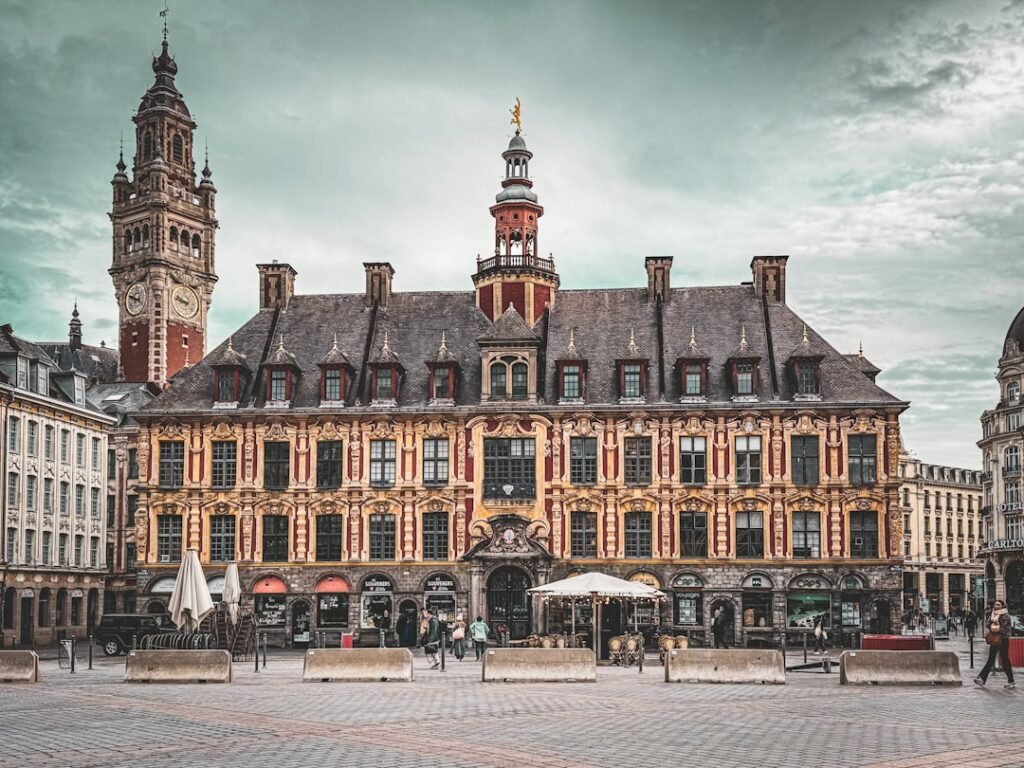
In French culture, the expression of love is not merely a romantic gesture; it is an integral part of social interaction and personal relationships. The French have a unique way of conveying their feelings, often through a rich tapestry of language that reflects their deep appreciation for romance and affection. Love is celebrated in various forms, from familial bonds to friendships and romantic partnerships.
This cultural emphasis on expressing love is evident in the way the French communicate, where words of affection are woven into everyday conversations, making relationships feel more intimate and cherished. Moreover, the French view love as a vital component of life that deserves to be expressed openly and frequently. This cultural norm encourages individuals to articulate their feelings, fostering deeper connections and understanding among people.
In a society where love is revered, the act of expressing affection becomes a form of art, with each phrase and term carefully chosen to convey the right sentiment. This cultural backdrop sets the stage for a plethora of terms of endearment that enrich the language and enhance interpersonal relationships. Ready to speak French? Enroll for French classes at the NLS Norwegian Language School in Oslo!
Summary
- Expressing love is highly valued in French culture, and it is important to understand the nuances and appropriateness of using terms of endearment.
- Common French terms of endearment include “mon amour” (my love), “ma chérie” (my dear), and “mon bébé” (my baby), among others.
- “I love you” in French is “je t’aime,” but there are other ways to express love and affection, such as “tu me rends heureux/heureuse” (you make me happy) and “tu me manques” (I miss you).
- Using French terms of endearment in everyday conversations requires understanding the context and appropriateness, as well as navigating cultural differences in expressing love.
- Romantic gestures and expressions, such as giving flowers and writing love letters, are important in French culture and can be incorporated into relationships and friendships.
Common French Terms of Endearment
French is renowned for its melodic quality, and this is particularly evident in its terms of endearment. These expressions are often used to convey affection in a playful or tender manner. Some of the most common terms include “mon amour” (my love), “ma chérie” (my darling), and “mon trésor” (my treasure).
Each term carries its own connotation and can be used in various contexts, whether addressing a partner, a child, or even a close friend. The beauty of these phrases lies not only in their meaning but also in their sound, which adds an extra layer of charm to the expression of love. In addition to these classic terms, there are also more whimsical expressions like “mon petit chou” (my little cabbage) or “ma puce” (my flea), which showcase the playful side of affection in French culture.
These terms often evoke a sense of warmth and familiarity, making them perfect for casual interactions among loved ones. The variety of terms available allows individuals to choose expressions that best fit their relationships, creating a personalised language of love that resonates with both speaker and listener.
How to Say “I Love You” in French

The phrase “I love you” translates to “Je t’aime” in French, a simple yet powerful declaration that carries immense weight. This expression is often reserved for significant moments in relationships, marking milestones such as anniversaries or heartfelt confessions. The beauty of “Je t’aime” lies in its simplicity; it encapsulates profound emotions in just three words.
However, the context in which it is said can greatly influence its impact. A whispered “Je t’aime” during a quiet moment can feel more intimate than a boisterous declaration at a crowded gathering. Interestingly, the French language offers variations to express love beyond the standard “Je t’aime.” For instance, one might say “Je t’adore,” which translates to “I adore you,” conveying a slightly different nuance of affection.
This flexibility allows speakers to tailor their expressions based on the depth of their feelings or the nature of their relationship. Understanding these subtleties can enhance communication and deepen emotional connections between individuals.
Other Ways to Express Love and Affection in French
Beyond the iconic “Je t’aime,” there are numerous ways to express love and affection in French that can add richness to interpersonal communication. Phrases like “Je pense à toi” (I think of you) or “Tu me manques” (I miss you) convey sentiments that are equally significant in nurturing relationships. These expressions highlight the importance of presence and thoughtfulness in love, reminding loved ones that they are cherished even when apart.
Additionally, non-verbal gestures play a crucial role in expressing affection within French culture. A gentle touch, a warm embrace, or even a lingering gaze can communicate feelings that words sometimes fail to capture. The French often combine verbal expressions with physical gestures to create a more profound impact.
This holistic approach to expressing love reinforces the idea that affection is not solely about what is said but also about how it is conveyed through actions.
Using French Terms of Endearment in Everyday Conversations
Incorporating French terms of endearment into everyday conversations can add a delightful flair to interactions with loved ones. Whether addressing a partner, family member, or close friend, using these affectionate phrases can create an atmosphere of warmth and intimacy. For instance, calling someone “mon cœur” (my heart) or “ma belle” (my beautiful one) can transform an ordinary conversation into something special, reinforcing bonds and fostering closeness.
Moreover, using these terms can also serve as an icebreaker or a way to lighten the mood during tense moments. A playful term like “mon petit loup” (my little wolf) can evoke laughter and ease any discomfort, reminding individuals of the affection they share. By weaving these expressions into daily life, one can cultivate an environment where love is openly acknowledged and celebrated.
Understanding the Context and Appropriateness of Using French Terms of Endearment

While French terms of endearment are charming and expressive, it is essential to understand their context and appropriateness before using them. Not every term is suitable for every relationship; some may be too intimate for casual acquaintances while others may feel too formal for close friends. For example, using “ma chérie” with someone you have just met may come across as overly familiar, whereas it would be perfectly acceptable among close friends or romantic partners.
Cultural nuances also play a significant role in determining when and how to use these terms. In some contexts, using affectionate language may be seen as endearing, while in others it could be perceived as insincere or inappropriate. Therefore, being attuned to social cues and understanding the dynamics of your relationship with the person you are addressing is crucial for effective communication.
Romantic Gestures and Expressions in French Culture
Romantic gestures are deeply embedded in French culture, often serving as tangible expressions of love that complement verbal declarations. From candlelit dinners to handwritten love letters, the French have mastered the art of romance through thoughtful actions that speak volumes about their feelings. A simple bouquet of flowers or a surprise picnic can convey affection far beyond what words alone can express.
Additionally, grand gestures such as proposing marriage at the Eiffel Tower or planning an elaborate weekend getaway are quintessentially French ways to demonstrate love and commitment. These acts not only create lasting memories but also reinforce the importance of romance in relationships. By embracing such gestures, individuals can cultivate an atmosphere where love flourishes and deepens over time.
How to Navigate Cultural Differences in Expressing Love in French
Navigating cultural differences in expressing love can be challenging, especially for those unfamiliar with French customs. While some cultures may prioritise directness in communication, the French often favour subtlety and nuance. Understanding this distinction is vital for anyone looking to engage meaningfully with French speakers.
For instance, while an overt declaration of love may be welcomed in some cultures, it might be perceived as too forward in France without prior context. Moreover, being aware of regional variations within France itself can enhance one’s ability to connect with others. Different regions may have unique expressions or customs related to love and affection that reflect local traditions and values.
By taking the time to learn about these differences, individuals can foster deeper connections and demonstrate respect for the rich tapestry of French culture.
Tips for Pronouncing French Terms of Endearment Correctly
Pronunciation plays a crucial role in effectively communicating affection through French terms of endearment. The melodic quality of the language can be challenging for non-native speakers; however, mastering pronunciation can significantly enhance one’s ability to convey emotions authentically. For instance, ensuring that nasal sounds are articulated correctly can make phrases like “mon amour” sound more genuine.
Listening to native speakers and practising regularly can help improve pronunciation skills. Engaging with French media—such as films, music, or podcasts—can provide valuable exposure to authentic pronunciation and intonation patterns. Additionally, seeking feedback from fluent speakers can offer insights into areas for improvement, ultimately leading to more confident communication.
Incorporating French Terms of Endearment into Relationships and Friendships
Incorporating French terms of endearment into relationships and friendships can enrich interactions and foster deeper connections. By using these affectionate phrases regularly, individuals can create a unique language that reflects their bond with one another. This practice not only enhances communication but also serves as a reminder of the affection shared between friends or partners.
Moreover, introducing these terms into conversations can spark curiosity and interest among those unfamiliar with the language. Sharing the meanings behind specific phrases can lead to engaging discussions about culture and language, further strengthening relationships through shared learning experiences.
Exploring the Depth and Nuances of Love Expressions in French Language and Culture
The exploration of love expressions within the French language reveals a depth and richness that is both captivating and enlightening. Each term carries its own history and cultural significance, reflecting the values and beliefs surrounding love in French society. By delving into these nuances, individuals can gain a greater appreciation for how language shapes our understanding of emotions.
At NLS Norwegian Language School in Oslo, students have the opportunity to immerse themselves in this fascinating aspect of French culture through dedicated courses focused on language acquisition and cultural understanding. The school’s curriculum includes lessons on common terms of endearment as well as practical applications for using them in everyday conversations. By learning from experienced instructors who are passionate about sharing their knowledge, students can develop not only their language skills but also their appreciation for the art of expressing love in French culture.
In conclusion, understanding how to express love within the context of French culture opens up new avenues for connection and communication. By embracing the beauty of language and its nuances, individuals can cultivate deeper relationships while celebrating the rich traditions that define expressions of affection in France. Whether through spoken words or romantic gestures, the art of expressing love remains an essential part of human experience that transcends borders and languages alike.
Ready to speak French? Enroll for French classes at the NLS Norwegian Language School in Oslo!




