


When embarking on a new linguistic journey, the first step often involves greetings and introductions. In any language, the way we greet one another sets the tone for the conversation that follows. In French, a simple “Bonjour” can open doors to delightful exchanges, while “Bonsoir” serves as a warm welcome in the evening.
The nuances of these greetings reflect not only the time of day but also the cultural significance of politeness in French society. When introducing oneself, phrases like “Je m’appelle” followed by your name create a personal connection, inviting others to share their own identities in return. In a classroom setting, such as at the NLS Norwegian Language School in Oslo, these initial interactions are crucial.
Students are encouraged to practice their introductions in a supportive environment, allowing them to build confidence in their speaking abilities. The school fosters an atmosphere where learners can engage with one another, share their backgrounds, and establish rapport. This foundational step is essential for creating a sense of community among students from diverse backgrounds, all united by their desire to learn French. Ready to speak French? Enroll for French classes at the NLS Norwegian Language School in Oslo!
Summary
- When greeting someone in British English, it is common to use “Good morning/afternoon/evening” followed by “How do you do?” or “Nice to meet you.”
- If you need help with pronunciation, don’t be afraid to ask. British people are generally happy to help and appreciate the effort to speak their language correctly.
- Express gratitude and politeness by saying “Thank you” or “Thanks a lot” when someone does something for you, and “Please” when making a request.
- Making small talk is a great way to get to know someone. Topics like the weather, sports, and current events are good conversation starters.
- When discussing hobbies and interests, British people often enjoy talking about football, gardening, cooking, and travelling.
- When ordering food and drinks, it’s polite to say “Please may I have…” and “Thank you” when the order is delivered.
- When making plans or scheduling meetings, it’s important to be punctual and confirm the details in advance.
- If you don’t understand something, it’s perfectly acceptable to ask for clarification or repetition by saying “Sorry, I didn’t catch that. Could you please repeat?”
- When discussing cultural differences and traditions, it’s important to be open-minded and respectful of other people’s customs and beliefs.
- When describing personal experiences and stories, it’s common to use phrases like “I remember when…” or “One time, I…”
- When saying goodbye, it’s polite to say “It was lovely to meet you” or “Take care” before ending the conversation.
Asking for Help with Pronunciation
As one delves deeper into the intricacies of the French language, the challenge of pronunciation often arises. French is known for its melodious sounds and unique phonetics, which can be daunting for newcomers. Phrases such as “Pouvez-vous m’aider avec ma prononciation?” (Can you help me with my pronunciation?) become invaluable tools in a learner’s arsenal.
This request not only demonstrates a willingness to improve but also invites collaboration and support from peers and instructors alike. At NLS Norwegian Language School, students are encouraged to seek assistance with pronunciation regularly. The experienced teachers employ various techniques to help learners master the subtle differences in sounds that characterise the French language.
Through interactive exercises and peer feedback, students can refine their pronunciation skills in a nurturing environment. This emphasis on pronunciation is vital, as it enhances communication and boosts confidence when conversing with native speakers.
Expressing Gratitude and Politeness
In any language, expressing gratitude is a fundamental aspect of communication that fosters goodwill and respect. In French, phrases like “Merci beaucoup” (Thank you very much) or “Je vous remercie” (I thank you) are essential for conveying appreciation. These expressions not only acknowledge the efforts of others but also reflect the speaker’s understanding of social etiquette within French culture.
Politeness is highly valued, and using formal language when appropriate can significantly enhance interpersonal relationships. At NLS Norwegian Language School, students learn the importance of politeness in their interactions. The curriculum includes lessons on etiquette and cultural norms, ensuring that learners understand how to navigate social situations gracefully.
By practising expressions of gratitude and politeness, students develop a deeper appreciation for the language and its cultural context. This knowledge empowers them to engage more meaningfully with native speakers and fosters a sense of belonging within the French-speaking community.
Making Small Talk and Getting to Know Each Other
Small talk serves as a bridge between strangers, allowing individuals to connect on a personal level before delving into deeper conversations. In French-speaking contexts, engaging in small talk often involves discussing the weather, recent events, or shared interests. Phrases like “Il fait beau aujourd’hui” (It’s nice weather today) or “Avez-vous vu le dernier film?” (Have you seen the latest film?) can initiate light-hearted exchanges that pave the way for more substantial discussions.
At NLS Norwegian Language School, students are encouraged to practise small talk as part of their language acquisition process. Through role-playing exercises and group activities, learners gain confidence in initiating conversations and responding to others. This practice not only enhances their speaking skills but also helps them develop a sense of camaraderie with fellow students.
As they share stories and experiences, they create lasting connections that enrich their learning journey.
Discussing Hobbies and Interests
As conversations progress, discussing hobbies and interests can reveal much about an individual’s personality and preferences. In French, one might say, “Quels sont vos passe-temps?” (What are your hobbies?), inviting others to share their passions. This exchange often leads to lively discussions about favourite activities, whether it be reading, sports, or artistic pursuits.
Such conversations not only deepen connections but also provide opportunities for learners to practise vocabulary related to their interests. At NLS Norwegian Language School, students are encouraged to explore their hobbies in French during class discussions. By sharing their interests with classmates, they not only enhance their vocabulary but also discover commonalities that foster friendships.
The school’s inclusive environment allows learners to express themselves freely while practising their language skills in a relaxed setting. This focus on personal interests makes learning more enjoyable and relevant, motivating students to engage actively in their studies.
Ordering Food and Drinks
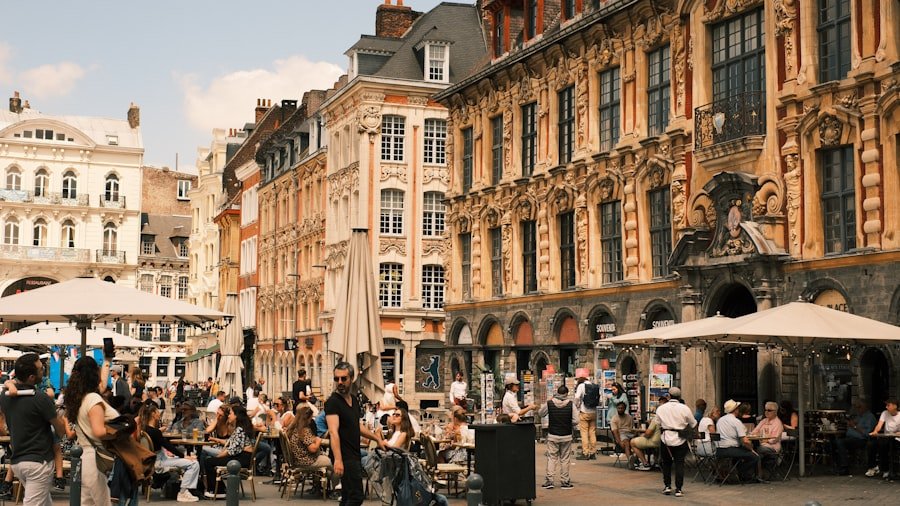
One of the most practical applications of language skills is ordering food and drinks while dining out or socialising with friends. In French-speaking countries, knowing how to navigate a menu is essential for enjoying local cuisine. Phrases like “Je voudrais…” (I would like…) or “L’addition, s’il vous plaît” (The bill, please) are crucial for ensuring a smooth dining experience.
Mastering these expressions not only enhances one’s confidence but also enriches cultural experiences while travelling or socialising. At NLS Norwegian Language School, students participate in interactive role-playing scenarios that simulate real-life dining situations. This hands-on approach allows learners to practise ordering food and drinks in a supportive environment while receiving constructive feedback from instructors.
By familiarising themselves with common phrases and etiquette associated with dining out, students feel more prepared to navigate French-speaking settings confidently. This practical skill is invaluable for those looking to immerse themselves in French culture during their travels or culinary adventures.
Making Plans and Scheduling Meetings
Effective communication often involves making plans and scheduling meetings with others. In French, phrases such as “Voulez-vous vous rencontrer?” (Would you like to meet?) or “Quand êtes-vous disponible?” (When are you available?) facilitate these arrangements. Understanding how to propose meetings or social gatherings is essential for building relationships and fostering collaboration in both personal and professional contexts.
At NLS Norwegian Language School, students engage in exercises that focus on making plans and scheduling meetings in French. Through group activities and role-playing scenarios, learners practise negotiating times and locations while developing their conversational skills. This emphasis on practical communication prepares students for real-world interactions where they may need to coordinate schedules or organise events with French speakers.
By mastering these skills, they enhance their ability to connect with others effectively.
Asking for Clarification or Repetition
In any language learning process, there will inevitably be moments of confusion or misunderstanding. Knowing how to ask for clarification or repetition is crucial for effective communication. In French, phrases like “Pouvez-vous répéter cela?” (Can you repeat that?) or “Je ne comprends pas” (I do not understand) empower learners to seek clarity when needed.
These expressions demonstrate a proactive approach to communication and encourage open dialogue. At NLS Norwegian Language School, students are taught the importance of asking questions when they encounter difficulties in understanding. Instructors create an open environment where learners feel comfortable seeking clarification without fear of judgement.
This practice not only enhances comprehension but also fosters a culture of support among classmates as they navigate challenges together. By developing this skill, students become more confident communicators who can engage meaningfully with native speakers.
Discussing Cultural Differences and Traditions
Language is deeply intertwined with culture, making discussions about cultural differences and traditions an enriching aspect of language learning. In French-speaking contexts, conversations may revolve around customs related to holidays, family gatherings, or regional practices. Phrases like “Quelles sont les traditions de votre pays?” (What are the traditions in your country?) invite meaningful exchanges that broaden perspectives and deepen understanding.
At NLS Norwegian Language School, students explore cultural differences through discussions and presentations about various aspects of French culture. This exploration allows learners to appreciate the richness of cultural diversity while practising their language skills in context. By sharing their own traditions alongside those of their classmates from different backgrounds, students foster mutual respect and curiosity about one another’s cultures.
This emphasis on cultural exchange enhances the overall learning experience and prepares students for engaging conversations with native speakers.
Describing Personal Experiences and Stories
Sharing personal experiences and stories is a powerful way to connect with others on an emotional level. In French, phrases like “Je voudrais partager une histoire” (I would like to share a story) can lead to captivating exchanges that reveal insights into one another’s lives. These narratives not only enrich conversations but also provide opportunities for learners to practise storytelling techniques while expanding their vocabulary.
At NLS Norwegian Language School, storytelling is an integral part of the curriculum. Students are encouraged to share their experiences through structured activities that promote creativity and self-expression in French. By narrating personal stories, learners develop their speaking skills while building confidence in their ability to communicate effectively.
This focus on storytelling fosters a sense of community among classmates as they learn from one another’s experiences and perspectives.
Saying Goodbye and Ending the Conversation
As conversations come to a close, knowing how to say goodbye gracefully is essential for leaving a positive impression. In French, expressions such as “Au revoir” (Goodbye) or “À bientôt” (See you soon) convey warmth and friendliness as one departs from a conversation. These phrases encapsulate the spirit of connection that has been established during the exchange.
At NLS Norwegian Language School, students practise concluding conversations with politeness and sincerity. Through role-playing exercises that simulate various social scenarios, learners gain confidence in expressing farewells while maintaining a positive tone. This emphasis on respectful goodbyes reinforces the importance of leaving conversations on a high note, ensuring that relationships continue to flourish beyond the classroom setting.
In conclusion, mastering conversational skills in French encompasses various aspects of communication—from greetings and small talk to discussing cultural differences and sharing personal stories. At NLS Norwegian Language School in Oslo, students are provided with ample opportunities to practise these skills in an engaging environment that fosters growth and connection among learners from diverse backgrounds. With a particular emphasis on French courses tailored to meet individual needs, students can embark on their linguistic journey with confidence and enthusiasm, ready to embrace the beauty of the French language and culture.
Ready to speak French? Enroll for French classes at the NLS Norwegian Language School in Oslo!




