


In today’s digital age, access to the internet is often a necessity, especially when travelling or living abroad. For those venturing into Japan, knowing how to ask for the Wi-Fi password can be a crucial skill. The ability to communicate effectively in a foreign language not only enhances your travel experience but also fosters connections with locals.
Japanese, with its unique script and intricate levels of politeness, can be daunting for newcomers. However, mastering a few essential phrases can make your interactions smoother and more enjoyable. Asking for the Wi-Fi password in Japanese is not just about the words; it’s also about understanding the cultural context.
The Japanese language places a strong emphasis on politeness and respect, which is reflected in the way requests are made. This article will guide you through the various ways to ask for the Wi-Fi password, from basic phrases to more formal expressions, ensuring you feel confident in your communication. Unlock the rich world of Japanese culture, from anime to ancient traditions.
Summary
- When asking for the Wi-Fi password in Japanese, it’s important to understand the different levels of formality in the language.
- Basic Japanese phrases for requesting the Wi-Fi password include “Wi-Fi no pasuwado o onegaishimasu” (Wi-Fiのパスワードをお願いします).
- Polite ways to ask for the Wi-Fi password in Japanese involve using formal language and honorifics, such as “Sumimasen, Wi-Fi no pasuwado o oshiete kudasai” (すみません、Wi-Fiのパスワードを教えてください).
- Casual ways to ask for the Wi-Fi password in Japanese include using simpler language, such as “Wi-Fi no pasuwado wa nan desu ka?” (Wi-Fiのパスワードは何ですか?).
- Using formal language to request the Wi-Fi password in Japanese shows respect and is appropriate in professional or formal settings.
Basic Japanese Phrases for Requesting the Wi-Fi Password
To begin with, it is essential to learn some basic phrases that will help you request the Wi-Fi password. The most straightforward way to ask is by saying, “Wi-Fi no pasuwādo wa nan desu ka?” (Wi-Fiのパスワードは何ですか?). This translates directly to “What is the Wi-Fi password?” It is a simple yet effective phrase that can be used in most situations.
Another useful phrase is “Wi-Fi o tsukatte mo ii desu ka?” (Wi-Fiを使ってもいいですか?), which means “Is it okay if I use the Wi-Fi?” This phrase not only asks for permission but also implies that you would like to know the password. By using these basic phrases, you can initiate a conversation about Wi-Fi access without feeling overwhelmed by the complexities of the language.
Polite Ways to Ask for the Wi-Fi Password in Japanese

Politeness is a cornerstone of Japanese communication, and using respectful language can significantly enhance your interactions. A more polite way to ask for the Wi-Fi password would be to say, “Sumimasen, Wi-Fi no pasuwādo o oshiete itadakemasu ka?” (すみません、Wi-Fiのパスワードを教えていただけますか?). This phrase translates to “Excuse me, could you please tell me the Wi-Fi password?” The use of “oshiete itadakemasu ka” adds a layer of respect and humility to your request.
Additionally, you might consider prefacing your request with a polite greeting or expression of gratitude. For instance, starting with “Konnichiwa” (こんにちは) or “Arigatou gozaimasu” (ありがとうございます) before asking can create a friendly atmosphere. Such nuances in politeness not only reflect your understanding of Japanese culture but also encourage a positive response from the person you are addressing.
Casual Ways to Ask for the Wi-Fi Password in Japanese
While politeness is important, there are also casual ways to ask for the Wi-Fi password, especially if you find yourself in a relaxed setting or among friends. A simple and informal way to ask would be, “Wi-Fi no pasuwādo wa?” (Wi-Fiのパスワードは?). This phrase drops the formalities and gets straight to the point, making it suitable for casual conversations.
If you are among peers or in a less formal environment, you might say, “Wi-Fi tsukatte ii?” (Wi-Fi使っていい?), which translates to “Can I use the Wi-Fi?” This approach is friendly and straightforward, allowing for a more relaxed interaction. Understanding when to use casual language can help you connect better with younger generations or in informal settings.
Using Formal Language to Request the Wi-Fi Password in Japanese
In certain situations, particularly when addressing someone of higher status or in a formal setting, using formal language becomes essential. A highly respectful way to ask for the Wi-Fi password would be, “Osewa ni natteimasu, Wi-Fi no pasuwādo o go shōkai itadakemasu ka?” (お世話になっています、Wi-Fiのパスワードをご紹介いただけますか?). This phrase conveys not only your request but also acknowledges the relationship and respect towards the person you are speaking with.
Using formal language demonstrates your understanding of social hierarchies in Japan and shows that you value the other person’s position. It is particularly important in business settings or when interacting with elders. By mastering these formal expressions, you can navigate various social situations with grace and confidence.
Understanding the Different Levels of Formality in Japanese Language
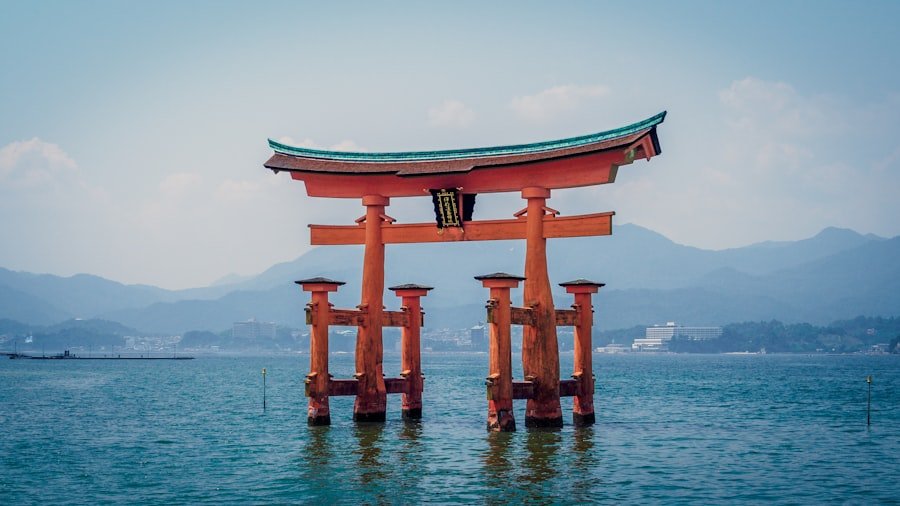
The Japanese language is rich with varying levels of formality, which can be quite complex for learners. Understanding these levels is crucial when asking for something like a Wi-Fi password. The language can be broadly categorised into three levels: casual, polite, and formal.
Each level serves a different purpose and is used in different contexts. Casual language is typically used among friends or peers and lacks the nuances of respect found in more formal speech. Polite language is appropriate for everyday interactions with strangers or acquaintances, while formal language is reserved for situations that require utmost respect, such as addressing superiors or elders.
Recognising these distinctions will not only improve your communication skills but also enhance your cultural understanding of Japan.
Common Responses to Asking for the Wi-Fi Password in Japanese
When you ask for the Wi-Fi password in Japanese, you may receive various responses depending on the context and the person you are speaking with. A common response might be simply stating the password itself, such as “Pasuwādo wa ‘sakura123’ desu” (パスワードは「sakura123」です), meaning “The password is ‘sakura123’.” Alternatively, if there are any conditions attached to using the Wi-Fi, such as time limits or restrictions on usage, they might explain those as well. For example, they might say, “Kono Wi-Fi wa 1-jikan shika tsukawanai de kudasai” (このWi-Fiは1時間しか使わないでください), which translates to “Please use this Wi-Fi for only one hour.” Being prepared for these responses will help you navigate conversations more effectively.
Non-Verbal Ways to Request the Wi-Fi Password in Japanese
In addition to verbal communication, non-verbal cues can play an important role in requesting information like a Wi-Fi password. Gestures such as pointing at your device or mimicking typing can convey your intent without needing to speak much at all. A friendly smile and eye contact can also help establish rapport and make your request feel more approachable.
In some cases, showing your device with an open browser may signal that you are looking for internet access. Non-verbal communication can often transcend language barriers and create a more relaxed atmosphere for both parties involved. Being aware of these non-verbal cues can enhance your ability to communicate effectively in Japan.
Tips for Remembering and Pronouncing the Japanese Words for Wi-Fi and Password
When learning new vocabulary in Japanese, especially terms like “Wi-Fi” (ワイファイ) and “password” (パスワード), it can be helpful to use mnemonic devices or associations. For instance, associating “Wi-Fi” with its English counterpart can make it easier to remember since it sounds quite similar. For “password,” breaking it down into syllables can aid pronunciation: “pasu” (パス) + “wādo” (ワード).
Practising these words aloud will help solidify them in your memory. Additionally, writing them down repeatedly or using flashcards can reinforce your learning process. Engaging with native speakers or language exchange partners can also provide practical experience that enhances retention.
How to Express Gratitude After Receiving the Wi-Fi Password in Japanese
Expressing gratitude is an essential part of any interaction, particularly in Japan where politeness is highly valued. After receiving the Wi-Fi password, a simple “Arigatou gozaimasu” (ありがとうございます) will suffice, meaning “Thank you very much.” This phrase conveys appreciation and respect towards the person who has assisted you. If you want to be even more polite, you could say “Hontou ni arigatou gozaimasu” (本当にありがとうございます), which translates to “Thank you very much indeed.” Such expressions of gratitude not only reflect well on you but also contribute positively to your overall experience while interacting with locals.
Conclusion and Summary of Key Phrases for Asking for the Wi-Fi Password in Japanese
In conclusion, knowing how to ask for the Wi-Fi password in Japanese can significantly enhance your experience while navigating through Japan. From basic phrases like “Wi-Fi no pasuwādo wa nan desu ka?” to more polite forms such as “Sumimasen, Wi-Fi no pasuwādo o oshiete itadakemasu ka?”, mastering these expressions will empower you to communicate effectively. Understanding the nuances of formality within the language allows you to adapt your speech according to different contexts.
Additionally, expressing gratitude after receiving assistance reinforces positive interactions with locals. As you embark on your journey into learning Japanese, consider enrolling in courses at NLS Norwegian Language School in Oslo, where they offer comprehensive Japanese language classes tailored for all levels. With dedicated instructors and a supportive learning environment, you’ll find yourself well-equipped to navigate not just requests for Wi-Fi passwords but also broader conversations during your time in Japan.
Your Japanese journey starts in Oslo. Join our classes at NLS and sign up today!




