

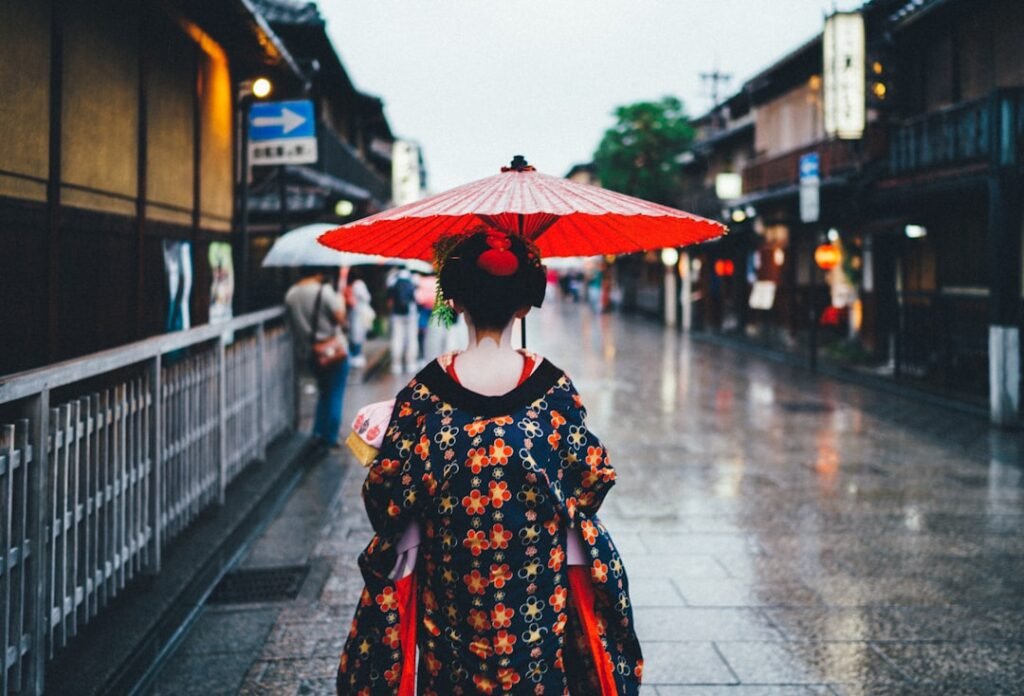
In Japan, the act of saying goodbye is steeped in cultural significance, reflecting the deep-rooted values of respect and consideration for others. Traditional farewells often involve phrases that convey not just a simple parting but also an expression of gratitude and well-wishing. One of the most common traditional farewells is “Sayonara,” which translates to “goodbye.” However, this term carries a weight that suggests a more permanent separation, making it less suitable for casual encounters.
Instead, it is often reserved for significant departures, such as when someone is leaving for an extended period or moving away. Another traditional farewell is “Itterasshai,” which is used when someone is leaving home. This phrase can be translated as “go and come back,” embodying a sense of care and anticipation for the person’s return.
It reflects the Japanese value of familial bonds and the importance of wishing loved ones well as they embark on their journeys. Similarly, “Okaerinasai” is the response to “Itterasshai,” meaning “welcome back,” further emphasising the warmth and hospitality inherent in Japanese culture. These traditional farewells encapsulate the essence of relationships in Japan, where every parting is an opportunity to express affection and hope for future reunions. Unlock the rich world of Japanese culture, from anime to ancient traditions.
Summary
- Traditional Japanese farewells often involve bowing and expressing gratitude for the time spent together.
- Casual goodbyes in Japanese can include phrases like “ja ne” or “matane” which are informal and friendly.
- Formal ways to say goodbye in Japanese include phrases like “sayonara” or “shitsurei shimasu” which show respect and politeness.
- Polite farewells in Japanese often involve expressing gratitude and well-wishes for the other person.
- Informal ways to bid farewell in Japanese can include phrases like “baibai” or “chao” which are more casual and relaxed.
Casual Goodbyes in Japanese
In everyday interactions, casual goodbyes are more prevalent and reflect the relaxed nature of social exchanges among friends and acquaintances. One of the most frequently used casual farewells is “Ja ne,” which translates to “see you.” This phrase is informal and can be used among peers, making it a staple in friendly conversations. Another common expression is “Mata ne,” which also means “see you later.” Both phrases convey a sense of familiarity and comfort, allowing individuals to part ways without the heaviness associated with more formal farewells.
Additionally, “Bai bai” has gained popularity, especially among younger generations, as a playful and light-hearted way to say goodbye. This expression, borrowed from English, has been adapted into everyday Japanese vernacular, showcasing the influence of globalisation on language. Casual goodbyes like these are essential in maintaining social connections, as they create an atmosphere of ease and camaraderie.
They serve as reminders that while parting may be necessary, it does not signify an end but rather a temporary pause in relationships.
Formal Ways to Say Goodbye
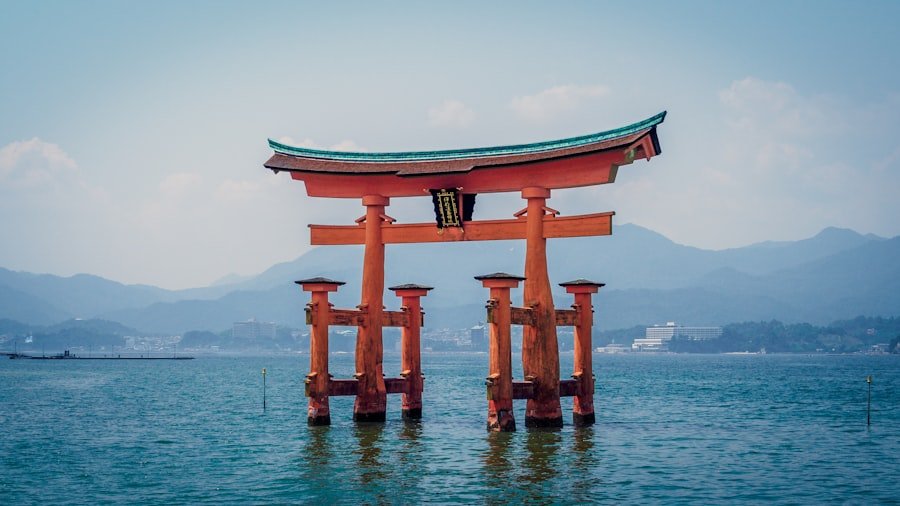
In more formal contexts, such as business meetings or official gatherings, the language used for farewells shifts to reflect the seriousness of the situation. A commonly used formal farewell is “Shitsurei shimasu,” which translates to “I am rude” or “Excuse me.” This phrase is often employed when leaving a meeting or conversation, demonstrating respect for those remaining. It acknowledges the social etiquette that governs interactions in professional settings, where maintaining decorum is paramount.
Another formal expression is “Osewa ni narimashita,” meaning “Thank you for your support.” This phrase is particularly useful when parting ways with colleagues or clients after a successful collaboration. It conveys appreciation and acknowledges the contributions of others, reinforcing the importance of gratitude in Japanese culture. In formal situations, these farewells not only serve as a means of parting but also as an opportunity to strengthen professional relationships through respectful communication.
Polite Farewells in Japanese
Politeness is a cornerstone of Japanese communication, and this extends to the way people say goodbye. A polite farewell often involves using honourifics and expressions that show consideration for the other person’s feelings. One such phrase is “Sayonara gozaimasu,” which adds a level of formality to the traditional “sayonara.” This expression is suitable for situations where one wishes to convey respect while bidding farewell.
Another polite way to say goodbye is “Kyou wa arigatou gozaimashita,” meaning “Thank you for today.” This phrase not only serves as a farewell but also expresses gratitude for the time spent together. It reflects the Japanese emphasis on acknowledging shared experiences and fostering goodwill. Polite farewells are essential in maintaining harmony in social interactions, ensuring that relationships remain strong and respectful even as individuals part ways.
Informal Ways to Bid Farewell in Japanese
Informal farewells are often characterised by their brevity and casual tone, making them ideal for use among friends or close acquaintances. One popular informal expression is “Ja,” which can be translated simply as “well then.” This phrase serves as a convenient way to signal the end of a conversation without any elaborate formalities. It encapsulates the ease of communication that exists among friends who share a comfortable rapport.
Another informal farewell is “Sore ja,” meaning “well then” or “in that case.” This expression can be used when transitioning from one topic to another or when concluding a casual meeting. The informality of these phrases allows individuals to express their intentions without unnecessary embellishments, fostering a sense of familiarity and closeness. Informal farewells are vital in everyday interactions, as they help maintain a relaxed atmosphere while still acknowledging the need to part ways.
Saying Goodbye in a Business Setting
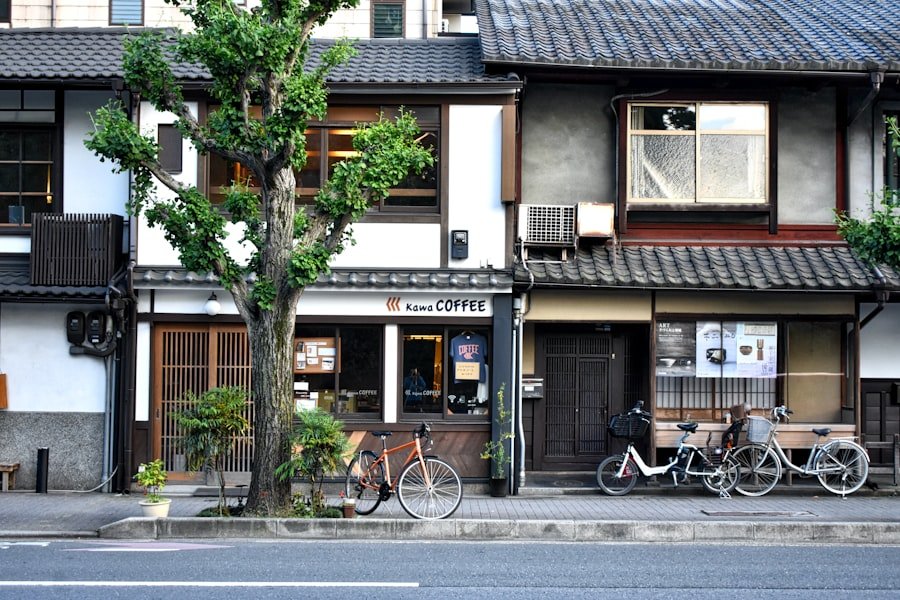
In business environments, saying goodbye requires a careful balance of professionalism and respect. The phrase “Otsukaresama deshita,” which translates to “thank you for your hard work,” is commonly used when parting ways with colleagues after a long day or following a successful project. This expression not only acknowledges the efforts of others but also reinforces team spirit and camaraderie within the workplace.
When concluding meetings or formal discussions, it is customary to use “Shitsurei shimasu” as a polite way to excuse oneself. This phrase demonstrates an understanding of social etiquette and respect for those remaining in the meeting. Additionally, it can be beneficial to follow up with expressions of gratitude, such as “Arigatou gozaimashita,” to leave a positive impression on colleagues or clients.
In business settings, farewells are not merely about parting; they are opportunities to strengthen professional relationships through thoughtful communication.
Expressions for Parting with Friends
When bidding farewell to friends, the expressions used often reflect the closeness of the relationship and shared experiences. A common phrase among friends is “Mata ashita,” meaning “see you tomorrow.” This expression conveys anticipation for future encounters and reinforces the bond between friends. It signifies that while parting may be necessary at the moment, there is an expectation of reconnection soon.
Another heartfelt farewell among friends is “Ki o tsukete ne,” which translates to “take care.” This phrase expresses genuine concern for a friend’s well-being and serves as a reminder that their safety and happiness are valued. Such expressions foster emotional connections and create lasting memories between friends, making farewells feel less like endings and more like temporary separations until they meet again.
Ways to Say Goodbye to Family Members
Family members often share unique ways of saying goodbye that reflect their close-knit relationships. A common farewell within families is “Itterasshai,” used when someone leaves home. This phrase embodies warmth and care, signalling that family members are looking forward to their return.
The reciprocal response, “Okaerinasai,” reinforces familial bonds by welcoming loved ones back home with open arms. Another affectionate farewell used among family members is “Sayonara,” though it may be softened with additional expressions of love or concern. For instance, one might say “Sayonara, mata ne” (goodbye, see you later), adding an element of reassurance that family ties remain strong despite physical distance.
These familial farewells highlight the importance of connection and support within families, ensuring that even when apart, love and care persist.
Saying Goodbye in a Romantic Context
In romantic relationships, farewells often carry deeper emotional significance than in other contexts. A common phrase used between partners is “Aishiteru,” meaning “I love you.” While this expression may not be a direct farewell, it encapsulates the feelings shared between lovers as they part ways. Saying goodbye with such heartfelt sentiments reinforces emotional bonds and creates lasting memories.
Another romantic farewell could be “Mata ne,” which translates to “see you later.” This phrase conveys hope for future encounters while maintaining an air of intimacy between partners. Additionally, couples may choose to personalise their farewells with affectionate nicknames or inside jokes, making each goodbye unique to their relationship. In romantic contexts, farewells become opportunities to express love and commitment, ensuring that even in separation, feelings remain strong.
Parting Phrases for Different Times of Day
The time of day can influence how people say goodbye in Japanese culture. For instance, during the morning hours, one might say “Itteshimasu” when leaving home, which translates to “I will go.” This phrase conveys readiness for the day ahead while also expressing anticipation for returning later on. In contrast, evening farewells may include phrases like “Oyasuminasai,” meaning “good night.” This expression not only signifies parting but also conveys wishes for restful sleep.
Additionally, during midday or afternoon encounters, one might use phrases like “Jaa ne” or “Mata ne” as casual goodbyes among friends or colleagues. These expressions reflect the relaxed nature of daytime interactions while still acknowledging the need to part ways temporarily. By tailoring farewells to different times of day, individuals can enhance their communication by aligning their expressions with the context of their interactions.
Farewells in Japanese Popular Culture
Japanese popular culture has significantly influenced how farewells are expressed in contemporary society. Anime and manga often depict characters using various farewell phrases that resonate with audiences worldwide. For instance, iconic phrases like “Sayonara” have become synonymous with emotional departures in storytelling, capturing the essence of longing and nostalgia.
Moreover, popular music often features themes of love and separation, with artists incorporating farewell expressions into their lyrics. These cultural representations shape how individuals perceive farewells in real life, blending traditional expressions with modern interpretations. As Japanese culture continues to evolve through media and entertainment, so too do the ways people say goodbye—reflecting both timeless values and contemporary influences.
As you explore these diverse expressions of farewell in Japanese culture, consider enhancing your understanding through structured learning at institutions like NLS Norwegian Language School in Oslo. Their Japanese courses offer an excellent opportunity to delve deeper into not only language but also cultural nuances that shape communication styles in Japan. Whether you’re interested in mastering traditional phrases or understanding contemporary usage influenced by popular culture, NLS provides comprehensive resources tailored to your learning needs.
Embrace this chance to connect with Japan’s rich linguistic heritage while developing your conversational skills in an engaging environment!
Your Japanese journey starts in Oslo. Join our classes at NLS and sign up today!




