

In any language, greetings and polite expressions form the cornerstone of effective communication. In Japanese, the nuances of politeness are particularly significant, reflecting the culture’s deep-rooted respect for others. A simple “Konnichiwa” (こんにちは) serves as a friendly greeting during the day, while “Konbanwa” (こんばんは) is used in the evening.
These expressions not only convey a sense of warmth but also establish a connection between individuals. Furthermore, the use of “Ogenki desu ka?” (お元気ですか?) allows one to inquire about another’s well-being, showcasing a genuine interest in their state of mind. Politeness in Japanese extends beyond mere words; it is embedded in the very structure of the language.
The use of honorifics, such as “san” (さん) after a person’s name, exemplifies this cultural trait. For instance, addressing someone as “Tanaka-san” rather than just “Tanaka” demonstrates respect and acknowledges their status. Additionally, phrases like “Arigatou gozaimasu” (ありがとうございます) express gratitude in a manner that is both humble and respectful.
Mastering these greetings and polite expressions is essential for anyone looking to engage meaningfully with Japanese speakers. Unlock the rich world of Japanese culture, from anime to ancient traditions.
Summary
- Use polite expressions like “Good morning” and “Please” when interacting with others.
- When describing activities and events, use adjectives and adverbs to add detail and interest.
- Use time expressions like “yesterday” and “next week” to give context to your conversations.
- Share your plans and intentions using phrases like “I’m thinking of” or “I’m planning to”.
- Express your likes and dislikes using phrases like “I love” or “I’m not a fan of”.
Describing Activities and Events
Describing activities and events in Japanese can be both enjoyable and enlightening. The language offers a rich vocabulary that allows speakers to articulate their experiences vividly. For instance, one might say, “Watashi wa eiga o mimashita” (私は映画を見ました), meaning “I watched a movie.” This simple sentence can be expanded with adjectives and adverbs to provide more detail, such as “Sugoi eiga o mimashita” (すごい映画を見ました), which translates to “I watched an amazing movie.” The ability to embellish descriptions not only enhances communication but also invites listeners into the speaker’s world.
Moreover, the structure of Japanese sentences allows for flexibility in how events are conveyed. One can choose to focus on the action or the subject, depending on what they wish to emphasise. For example, instead of merely stating what was done, one might elaborate on the setting or the emotions felt during the event.
This depth of expression is particularly useful when recounting memorable experiences, such as attending a festival or participating in a traditional tea ceremony. By weaving together various elements of description, speakers can create a vivid tapestry of their activities that captivates their audience.
Using Time Expressions

Time expressions are crucial in any language, as they help situate events within a temporal context. In Japanese, there are numerous ways to express time, ranging from specific days to more general terms. For instance, “Kinou” (昨日) means “yesterday,” while “Ashita” (明日) refers to “tomorrow.” These terms are essential for discussing past and future events, allowing speakers to convey when something occurred or will occur with clarity.
Additionally, Japanese employs various time-related phrases that can add richness to conversations. Expressions like “ima” (今), meaning “now,” or “sukoshi mae” (少し前), which translates to “a little while ago,” provide context that enhances understanding. When discussing plans or recounting experiences, incorporating these time expressions can help listeners grasp the sequence of events more easily.
For example, one might say, “Kinou wa tomodachi to issho ni gohan o tabemashita” (昨日は友達と一緒にご飯を食べました), meaning “Yesterday, I had a meal with my friend.” This sentence not only conveys the action but also places it firmly within a specific timeframe.
Sharing Your Plans and Intentions
Sharing plans and intentions is an integral part of social interaction, and in Japanese, there are specific ways to articulate these thoughts effectively. The phrase “Watashi wa…” (私は…) serves as a useful starting point for expressing one’s intentions. For example, one might say, “Watashi wa ashita eiga ni ikimasu” (私は明日映画に行きます), meaning “I will go to the movies tomorrow.” This straightforward construction allows speakers to communicate their future actions clearly.
Moreover, expressing intentions can be further nuanced by incorporating additional details about one’s plans. For instance, one could elaborate by saying, “Watashi wa ashita eiga ni ikimasu ga, shiranai eiga desu” (私は明日映画に行きますが、知らない映画です), which translates to “I will go to the movies tomorrow, but it’s a film I don’t know.” This level of detail not only informs others about one’s plans but also invites conversation and engagement. By sharing intentions in this manner, speakers foster connections and create opportunities for shared experiences.
Expressing Likes and Dislikes
Expressing likes and dislikes is fundamental in any language as it helps individuals convey their preferences and opinions. In Japanese, this can be done using phrases like “Suki desu” (好きです) for likes and “Kirai desu” (嫌いです) for dislikes. For example, one might say, “Watashi wa sushi ga suki desu” (私は寿司が好きです), meaning “I like sushi.” This simple expression opens the door for further discussion about culinary preferences or cultural experiences related to food.
Additionally, the language allows for more nuanced expressions of preference by incorporating adjectives or additional context. For instance, one could say, “Watashi wa spicy food ga suki desu” (私はスパイシーな食べ物が好きです), which translates to “I like spicy food.” This specificity not only clarifies one’s tastes but also encourages others to share their own preferences or suggest related activities. By articulating likes and dislikes effectively, speakers can engage in meaningful conversations that reflect their personalities and foster connections with others.
Talking about the Weather
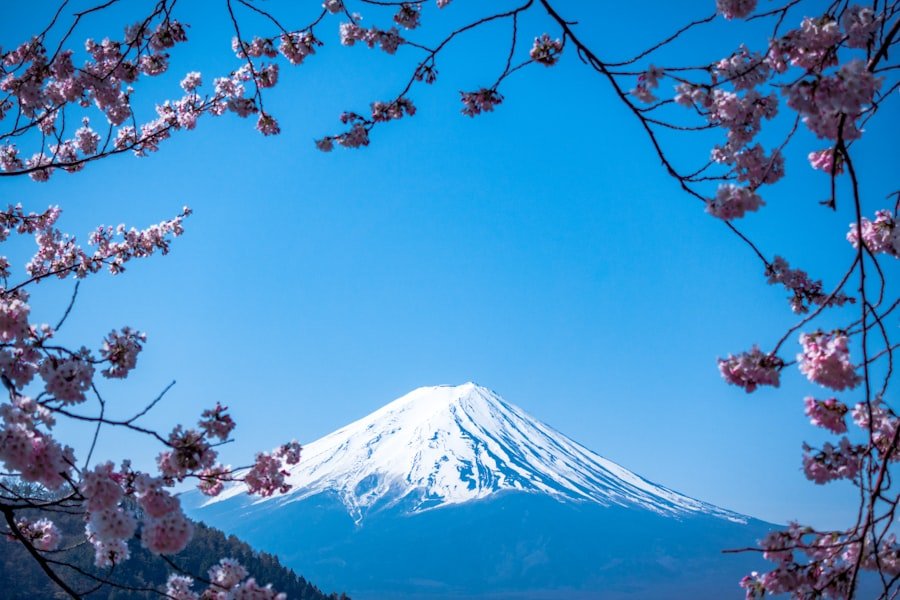
Weather is a universal topic that often serves as an icebreaker in conversations. In Japanese culture, discussing the weather is not only common but also reflects an appreciation for nature’s beauty. Phrases like “Kyou wa ii tenki desu ne” (今日はいい天気ですね) mean “The weather is nice today,” and can initiate discussions about outdoor plans or seasonal changes.
The Japanese language offers a variety of terms to describe different weather conditions, from “ame” (雨) for rain to “yuki” (雪) for snow. Moreover, talking about the weather can lead to deeper conversations about personal experiences related to different seasons. For instance, one might say, “Haru ni wa sakura ga kirei desu” (春には桜がきれいです), meaning “The cherry blossoms are beautiful in spring.” This not only highlights a specific aspect of the season but also invites others to share their own experiences or favourite seasonal activities.
By engaging in discussions about the weather, speakers can connect on a personal level while appreciating the natural world around them.
Asking for Recommendations
Asking for recommendations is an essential skill when navigating new environments or seeking advice from others. In Japanese, one might use phrases like “Osusume wa arimasu ka?” (おすすめはありますか?) to inquire about suggestions. This polite expression opens up avenues for conversation and allows individuals to tap into the knowledge of those around them.
Whether seeking restaurant recommendations or advice on local attractions, this phrase serves as a gateway to discovering new experiences. Furthermore, when asking for recommendations, it is helpful to provide context about one’s preferences or interests. For example, one could say, “Watashi wa ramen ga suki nanode, osusume no ramen-ya wa arimasu ka?” (私はラーメンが好きなので、おすすめのラーメン屋はありますか?), which translates to “I like ramen; do you have any recommended ramen shops?” This specificity not only makes it easier for others to provide relevant suggestions but also fosters a sense of camaraderie as individuals share their favourite spots or experiences.
Using Past Tense to Discuss Past Weekend
Discussing past events is an important aspect of conversation that allows individuals to share experiences and memories. In Japanese, using the past tense is straightforward yet essential for clarity. For instance, one might say, “Watashi wa senshuu no shuumatsu ni tomodachi to paatii ni ikimashita” (私は先週の週末に友達とパーティーに行きました), meaning “I went to a party with my friends last weekend.” This construction effectively communicates both the action taken and the timeframe in which it occurred.
Additionally, incorporating details about past experiences can enrich conversations significantly. One could elaborate by saying, “Senshuu no shuumatsu ni tomodachi to paatii ni ikimashita ga, tanoshikatta desu” (先週の週末に友達とパーティーに行きましたが、楽しかったです), which translates to “I went to a party with my friends last weekend; it was fun.” By sharing emotions or reflections on past events, speakers create opportunities for deeper connections and discussions about shared interests or experiences.
Inviting Others to Join Your Weekend Plans
Inviting others to join weekend plans is a wonderful way to foster friendships and create shared memories. In Japanese culture, extending invitations is often done with care and consideration for others’ schedules. A simple yet effective way to invite someone is by saying, “Kondo no shuumatsu ni issho ni ikimasen ka?” (今度の週末に一緒に行きませんか?), which means “Shall we go together this weekend?” This expression conveys warmth and inclusivity while allowing others the opportunity to join in on planned activities.
Moreover, providing details about the planned event can make invitations more enticing. For example, one might say, “Kondo no shuumatsu ni hanabi o mi ni ikimasu kara, issho ni ikimasen ka?” (今度の週末に花火を見に行きますから、一緒に行きませんか?), translating to “I’m going to see fireworks this weekend; would you like to join me?” By sharing specifics about the event—such as its excitement or uniqueness—speakers can encourage others to participate and create memorable experiences together.
Expressing Gratitude for Weekend Activities
Expressing gratitude is an important aspect of maintaining relationships and acknowledging shared experiences. In Japanese culture, saying thank you is often accompanied by sincerity and humility. After spending time with friends over the weekend, one might say, “Arigatou gozaimashita; tanoshikatta desu” (ありがとうございました;楽しかったです), meaning “Thank you; it was fun.” This expression not only conveys appreciation but also reinforces the bond between individuals.
Additionally, elaborating on what made the experience enjoyable can deepen connections further. For instance, one could say, “Kyou no hanabi wa subarashikatta; issho ni mite ureshikatta desu” (今日の花火は素晴らしかった;一緒に見て嬉しかったです), which translates to “The fireworks today were wonderful; I was happy to see them together.” By sharing specific sentiments about shared activities, speakers can foster a sense of belonging and gratitude that strengthens friendships over time.
Using Casual Language and Slang for Informal Conversations
Casual language and slang play an essential role in informal conversations among friends or peers. In Japanese culture, using casual speech reflects familiarity and comfort between individuals. Phrases like “Yatta!” (やった!) meaning “Yay!” or “Sugoi!” (すごい!) meaning “Awesome!” are commonly used among friends to express excitement or approval in a lively manner.
These expressions add colour and personality to conversations while creating an atmosphere of camaraderie. Moreover, understanding slang terms can enhance one’s ability to connect with younger generations or those within specific social circles. For example, terms like “Baito” (バイト) refer to part-time work and are frequently used among students discussing their jobs or schedules.
By incorporating casual language into conversations, speakers can engage more authentically with their peers while fostering an environment where everyone feels comfortable sharing their thoughts and experiences. As we explore these various aspects of communication in Japanese—from greetings and polite expressions to casual language—it’s clear that mastering these elements enriches interactions significantly. For those interested in delving deeper into the language and culture of Japan, consider enrolling in Japanese courses at NLS Norwegian Language School in Oslo.
The school offers comprehensive programmes tailored for learners at all levels, providing an immersive experience that combines language acquisition with cultural insights. Whether you’re looking to enhance your conversational skills or gain a deeper understanding of Japanese customs and traditions, NLS provides an excellent platform for your linguistic journey.
Your Japanese journey starts in Oslo. Join our classes at NLS and sign up today!




