

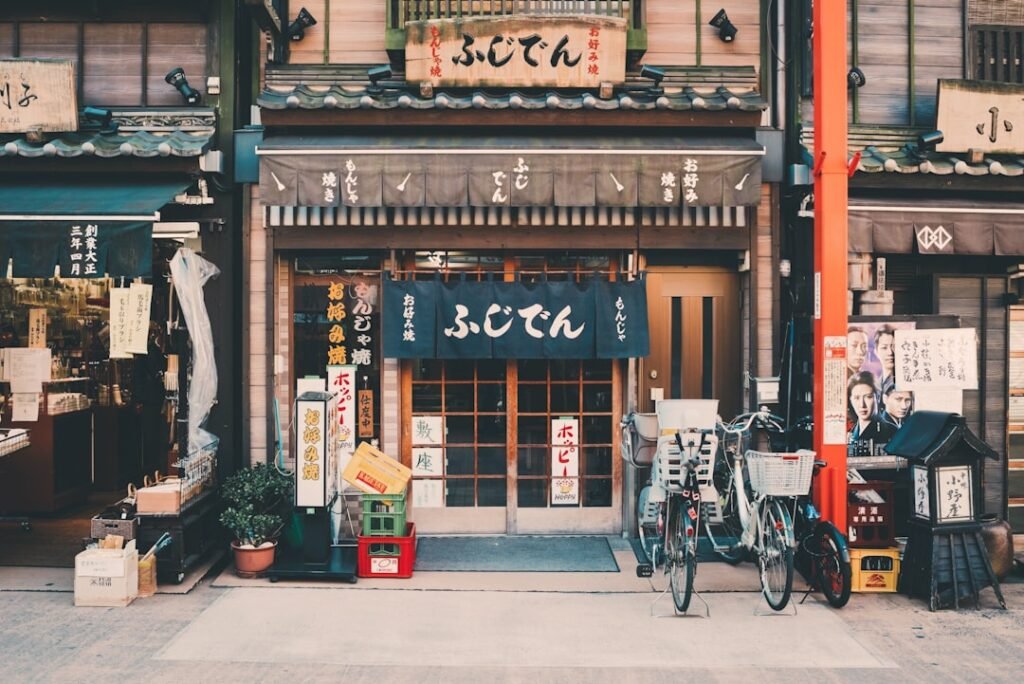
When embarking on a journey to a new country, mastering the local language can significantly enhance your experience. In Japan, greetings and basic phrases are essential for establishing rapport with locals. A simple “Konnichiwa” (こんにちは) can go a long way in making a positive impression.
This greeting, which translates to “Good afternoon,” is commonly used throughout the day. Additionally, “Arigatou gozaimasu” (ありがとうございます) means “Thank you,” and is a phrase you will find yourself using frequently. The Japanese culture places great importance on politeness, and using these basic phrases can help you navigate social interactions with ease.
Moreover, learning how to say “Sumimasen” (すみません), which means “Excuse me” or “I’m sorry,” can be particularly useful in crowded places or when trying to get someone’s attention. It shows respect and consideration for others. Familiarising yourself with these fundamental expressions not only aids in communication but also demonstrates your willingness to engage with the culture.
As you delve deeper into the language, you will discover that even the simplest phrases can open doors to meaningful conversations and connections. Unlock the rich world of Japanese culture, from anime to ancient traditions. NLS Language School in Oslo offers Japanese classes for all levels. Begin your adventure—enroll today!
Summary
- “Hello, how can I help you today?” is a common greeting in British stores.
- If you need assistance, don’t hesitate to ask a staff member for help.
- When inquiring about sizes, ask “Do you have this in a size [your size]?”
- To describe the style or colour you’re looking for, say “I’m looking for something [specific style or colour].”
- When trying on clothes, ask “May I try this on, please?” and wait for the fitting room attendant to assist you.
- If you’re interested in discounts or sales, inquire “Are there any discounts or sales on at the moment?”
- When making a purchase, simply say “I’d like to buy this, please” and proceed to the checkout.
- Don’t forget to ask for a receipt by saying “Could I have a receipt, please?”
- Express gratitude by saying “Thank you” or “Thanks a lot” to the staff.
- If you need to handle returns or exchanges, ask “I’d like to return/exchange this, please” and follow the store’s procedure.
- If you need help navigating the store or finding specific items, approach a staff member and ask for assistance.
Asking for Assistance
When exploring a new environment, there may be times when you require assistance. In Japan, asking for help is often met with kindness and eagerness to assist. A polite way to request help is by saying, “Tasukete kudasai” (助けてください), which translates to “Please help me.” This phrase can be particularly useful in various situations, whether you are lost in a bustling city or need guidance in a store.
The Japanese are known for their hospitality, and they will likely go out of their way to ensure you receive the help you need. In addition to asking for help, it is beneficial to know how to specify the type of assistance you require. For instance, if you need directions, you might say, “Eigo o hanasemasu ka?” (英語を話せますか?), meaning “Do you speak English?” This question can help you identify individuals who may be able to assist you more effectively.
By combining these phrases with a friendly smile and a respectful tone, you will find that locals are often more than willing to lend a hand.
Inquiring about Sizes
When shopping in Japan, understanding how to inquire about sizes is crucial, especially since sizing conventions may differ from those in your home country. To ask about sizes, you can use the phrase “Kono shatsu wa nan-sai desu ka?” (このシャツは何サイズですか?), which translates to “What size is this shirt?” This question will help you navigate clothing options and ensure that you find items that fit comfortably. It is also helpful to familiarise yourself with Japanese sizing charts, as they may not directly correspond to Western sizes.
For example, a Japanese size M may equate to a Western size S or M depending on the brand. When in doubt, don’t hesitate to ask shop assistants for guidance; they are usually well-informed and can provide valuable insights into the sizing system. By being proactive in your inquiries, you can make your shopping experience more enjoyable and efficient.
Describing the Style or Colour You’re Looking for
When searching for specific clothing items, being able to describe the style or colour you desire is essential. In Japanese, you might say, “Aoi fuku o sagashiteimasu” (青い服を探しています), which means “I am looking for blue clothes.” This phrase allows you to communicate your preferences clearly and helps shop staff assist you more effectively. Additionally, if you have a particular style in mind, such as casual or formal wear, it is beneficial to express that as well.
You could say, “Kono fuku wa kasual desu ka?” (この服はカジュアルですか?), meaning “Is this outfit casual?” By articulating your style preferences, you increase the likelihood of finding items that suit your taste. The ability to describe what you’re looking for not only streamlines your shopping experience but also enhances your interaction with store personnel.
Trying on Clothes
Trying on clothes is an integral part of the shopping experience, and knowing how to navigate this process in Japan can make it more enjoyable. When you find an item you’d like to try on, simply ask the shop assistant, “Shichaku shite mo ii desu ka?” (試着してもいいですか?), which translates to “May I try this on?” Most stores will have fitting rooms available, and staff will be happy to assist you. Once inside the fitting room, take your time to assess how the clothing fits and feels.
If you need a different size or style, don’t hesitate to call out for assistance or step out of the fitting room to ask for help. The staff are accustomed to assisting customers during this process and will appreciate your politeness. Remember that trying on clothes is not just about finding the right fit; it’s also an opportunity to enjoy the experience of shopping in Japan.
Asking about Discounts or Sales
In any shopping scenario, being aware of discounts or sales can significantly enhance your experience. In Japan, many stores offer seasonal sales or special promotions. To inquire about discounts, you might say, “Waribiki wa arimasu ka?” (割引はありますか?), which means “Are there any discounts?” This question can lead to discovering great deals that may not be immediately advertised.
Additionally, if you’re shopping during specific seasons like New Year or summer sales, it’s worth asking if there are any ongoing promotions. Many shops will have signs indicating sales, but it’s always good practice to confirm with staff. They can provide information on upcoming sales events or loyalty programmes that may benefit frequent shoppers.
By being proactive in your inquiries about discounts, you can make the most of your shopping experience while saving money.
Making a Purchase
Once you’ve found the perfect item and are ready to make a purchase, knowing how to navigate the payment process is essential. In Japan, it’s customary to approach the cashier with your selected items and say “Kore o onegaishimasu” (これをお願いします), meaning “I would like this.” The cashier will then scan your items and inform you of the total cost. When it comes time to pay, cash is still widely accepted in Japan; however, credit cards are becoming increasingly common in urban areas.
If you’re paying with cash, it’s polite to place your money in the tray provided rather than handing it directly to the cashier. This small gesture reflects respect for their service and aligns with Japanese customs. After completing your purchase, don’t forget to thank the cashier by saying “Arigatou gozaimasu” (ありがとうございます) before leaving the store.
Asking for a Receipt
In Japan, obtaining a receipt after making a purchase is standard practice. If you would like a receipt, simply ask “Reshiito o moraemasu ka?” (レシートをもらえますか?), which translates to “Can I have a receipt?” Most shop assistants will readily provide one without hesitation. Having a receipt is not only useful for record-keeping but also essential if you need to return or exchange an item later on.
It’s advisable to keep all receipts until you are certain that you are satisfied with your purchases. By being proactive about requesting receipts, you ensure that your shopping experience remains organised and hassle-free.
Expressing Gratitude
Expressing gratitude is an important aspect of Japanese culture and can greatly enhance your interactions while shopping. After receiving assistance from staff or completing a purchase, taking a moment to say “Arigatou gozaimasu” (ありがとうございます) shows appreciation for their help and service. This simple act of kindness fosters goodwill and creates a positive atmosphere.
Moreover, if someone goes above and beyond in assisting you—perhaps by helping you find exactly what you’re looking for or providing additional information—consider expressing your gratitude more emphatically by saying “Hontou ni arigatou gozaimashita” (本当にありがとうございました), which means “Thank you very much.” Such expressions of appreciation not only reflect well on you but also contribute positively to the overall shopping experience in Japan.
Handling Returns or Exchanges
While shopping can be an enjoyable experience, there may be instances where you need to handle returns or exchanges. In Japan, return policies vary by store; however, many shops do allow returns within a specific timeframe if items are unused and in their original packaging. If you find yourself needing to return an item, approach the customer service desk and politely explain your situation by saying “Henpin shitaidesu” (返品したいです), meaning “I would like to return this.” It’s important to have your receipt handy when making a return as it serves as proof of purchase.
The staff will guide you through the process and inform you of any necessary steps or conditions related to returns. By being courteous and understanding during this process, you can ensure that any issues are resolved smoothly.
Navigating the Store and Finding Specific Items
Navigating stores in Japan can be an adventure in itself due to their unique layouts and extensive product offerings. If you’re searching for specific items within a store but are unsure where to find them, don’t hesitate to ask for directions using phrases like “Kono item wa doko ni arimasu ka?” (このアイテムはどこにありますか?), which translates to “Where can I find this item?” Store staff are typically well-trained and knowledgeable about their inventory; they will be more than willing to assist you in locating what you’re looking for. Additionally, many larger stores have maps available or signs indicating different sections of the store.
By combining these resources with polite inquiries, you’ll find that navigating stores becomes much easier and more enjoyable. As an added note for those interested in expanding their language skills further while living in Oslo: NLS Norwegian Language School offers Japanese courses tailored for various levels of proficiency. Whether you’re starting from scratch or looking to refine your existing skills, these courses provide an excellent opportunity to immerse yourself in the language and culture of Japan while living abroad.
Engaging with such courses not only enhances your communication abilities but also enriches your overall experience as you explore new environments and cultures.
Your Japanese journey starts in Oslo. Join our classes at NLS and sign up today!




