

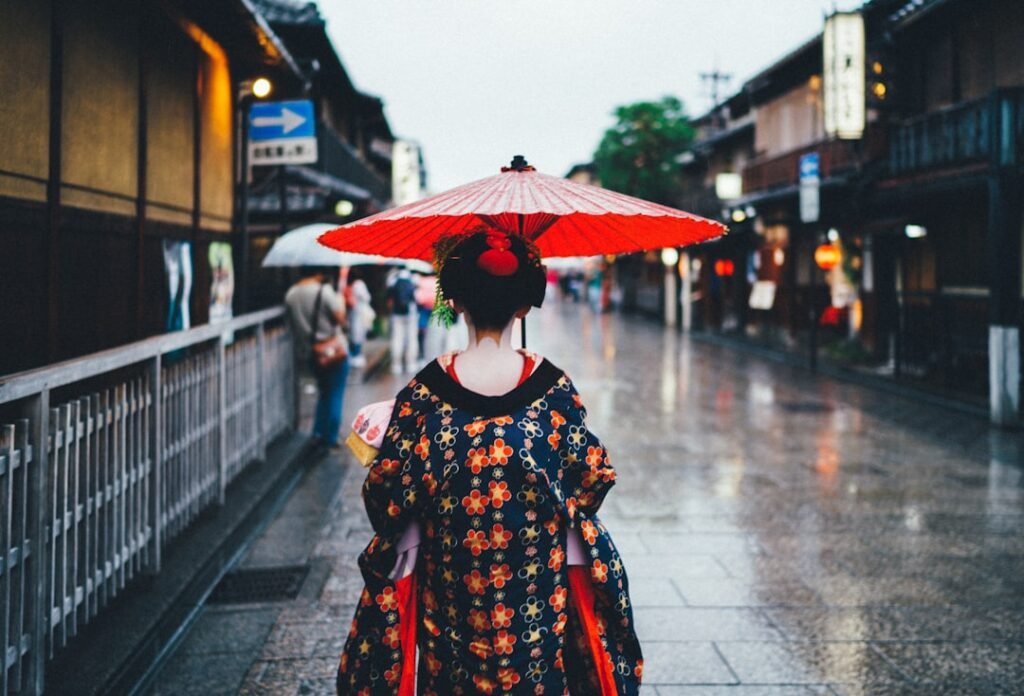
In any culture, the way we greet one another sets the tone for the interaction that follows. In Japan, greetings are steeped in tradition and reflect the values of respect and politeness that are central to Japanese society. A simple bow can convey a multitude of sentiments, from a casual hello to a formal introduction.
When meeting someone for the first time, it is customary to introduce oneself with a slight bow while stating one’s name, often followed by the phrase “Hajimemashite,” which translates to “Nice to meet you.” This initial exchange is not merely a formality; it is an essential part of establishing rapport and mutual respect. In contrast, in many Western cultures, greetings often involve a handshake or a friendly smile. However, the Japanese approach emphasises humility and deference.
When introducing oneself, it is common to include one’s affiliation or occupation, which provides context and helps to establish social hierarchy. For instance, one might say, “Watashi wa Tanaka desu,” meaning “I am Tanaka.” This introduction is often accompanied by a business card exchange in professional settings, where the card is presented with both hands, signifying its importance. Understanding these nuances can greatly enhance cross-cultural communication and foster deeper connections. Unlock the rich world of Japanese culture, from anime to ancient traditions.
Summary
- When greeting someone in the UK, a simple “hello” or “hi” is often sufficient, and a handshake is a common form of introduction.
- Saying “please” and “thank you” is essential for expressing gratitude and politeness in British culture.
- When asking for help or assistance, it is polite to use phrases such as “Could you please help me with…” or “I would appreciate your assistance with…”
- Giving clear and concise instructions is important in British communication, and it is polite to say “please” when asking someone to do something.
- British people may use phrases like “I’m feeling a bit under the weather” to express their emotions, and it is common to say “thank you” when someone asks how you are feeling.
- When making requests or seeking permission, it is polite to use phrases such as “Would it be possible to…” or “Is it alright if I…”
- British people often enjoy discussing food and eating, and it is common to use phrases like “Would you like to join me for a meal?” when inviting someone to eat.
- When discussing daily routines and activities, it is common to use phrases like “I usually…” or “I tend to…”
- In emergencies or medical situations, it is important to remain calm and use phrases like “I need urgent medical assistance” or “Can you call an ambulance, please?”
- Expressing love and affection in British English may involve saying “I love you” or using endearing terms like “darling” or “sweetheart” when addressing loved ones.
- When saying goodbyes and farewells, it is common to use phrases like “Take care” or “Goodbye, it was lovely to see you.”
Expressing Gratitude and Politeness
Gratitude is a cornerstone of Japanese culture, and expressing thanks is done with sincerity and formality. The phrase “Arigatou gozaimasu” is commonly used to convey appreciation, whether for a small favour or a significant act of kindness. The Japanese take great care in expressing gratitude, often bowing slightly while saying the phrase to emphasise their sincerity.
This practice not only acknowledges the kindness of others but also reinforces social bonds and mutual respect. Politeness in Japan extends beyond mere words; it is woven into the fabric of daily interactions. The use of honourifics and polite language is essential when addressing others, particularly those who are older or hold a higher status.
For example, adding “san” after someone’s name shows respect and is a common practice in both casual and formal settings. This attention to politeness reflects a broader cultural ethos that values harmony and consideration for others, making it crucial for anyone engaging with Japanese society to adopt these practices.
Asking for Help and Assistance
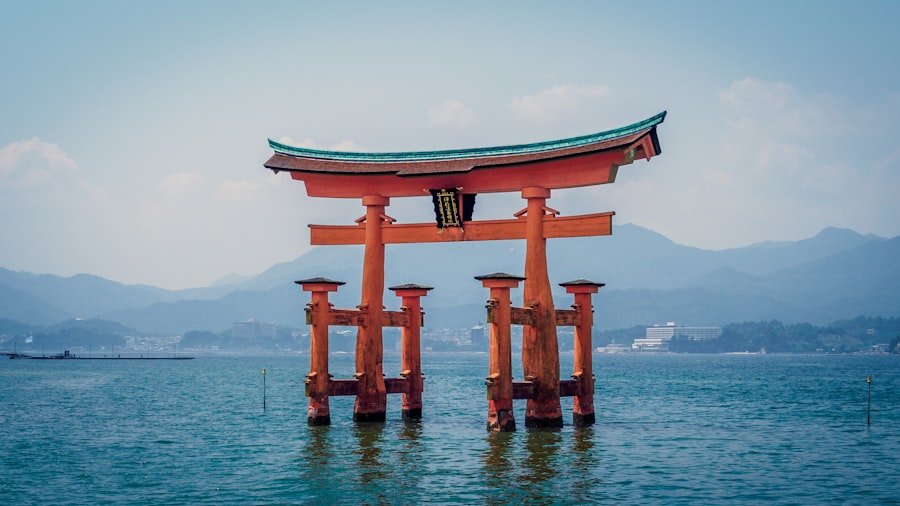
In any language, asking for help can be daunting, but in Japan, it is often approached with humility and respect. The phrase “Tasukete kudasai,” meaning “Please help me,” is frequently used when seeking assistance. However, it is important to note that the Japanese may hesitate to ask for help directly due to cultural norms that emphasise self-reliance and not burdening others.
As such, one might find that indirect requests or hints are more common in everyday interactions. When offering help, it is customary to respond graciously, often with phrases like “Ii desu yo,” which translates to “It’s alright” or “No problem.” This exchange not only facilitates assistance but also reinforces social bonds. Understanding this dynamic can be particularly beneficial for foreigners navigating Japanese society, as it encourages a more nuanced approach to communication that respects cultural sensitivities.
Giving and Receiving Instructions
In Japan, giving and receiving instructions is often characterised by clarity and politeness. When providing directions or guidance, it is common to use phrases such as “Koko ni ikite kudasai,” meaning “Please go here.” The speaker typically maintains a respectful tone, ensuring that the recipient feels valued and understood. This approach reflects the broader cultural emphasis on harmony and consideration for others’ feelings.
Receiving instructions in Japan also involves a level of attentiveness and respect. It is customary to acknowledge understanding by nodding or using phrases like “Wakarimashita,” meaning “I understand.” This not only shows appreciation for the guidance provided but also reinforces the speaker’s authority in the conversation. Such practices highlight the importance of effective communication in maintaining social harmony and ensuring that interactions are both respectful and productive.
Expressing Emotions and Feelings
Expressing emotions in Japan can be quite different from Western cultures, where open displays of feelings are often encouraged. In Japanese society, emotional expression tends to be more subdued, with individuals often opting for subtlety over overt displays. Phrases like “Ureshii” (I am happy) or “Kanashii” (I am sad) may be used, but they are often accompanied by non-verbal cues that convey deeper sentiments.
The Japanese value emotional restraint, believing that maintaining composure reflects strength of character. However, this does not mean that emotions are absent; rather, they are expressed in more nuanced ways. For instance, one might convey happiness through a smile or laughter rather than through verbal exclamations.
Understanding this cultural context is essential for effective communication, as it allows individuals to navigate emotional exchanges with sensitivity and respect for the subtleties of Japanese social norms.
Making Requests and Permission
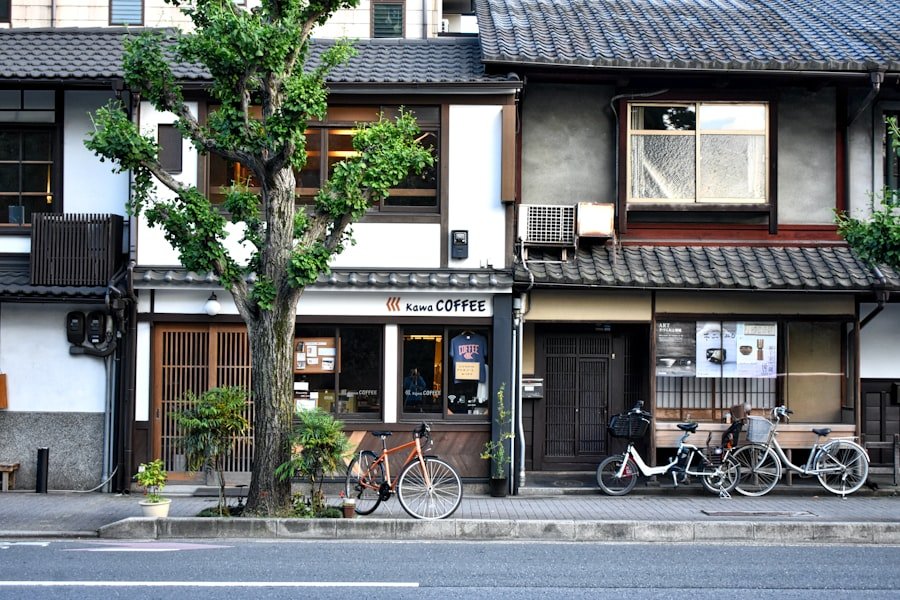
When making requests in Japan, politeness is paramount. The phrase “Onegaishimasu,” meaning “Please,” is commonly used when asking for something, whether it be a favour or assistance. This expression conveys not only the request itself but also an understanding of the other person’s willingness to help.
The Japanese often frame requests in a way that minimises pressure on the recipient, allowing them the option to decline without feeling uncomfortable. Seeking permission also follows similar conventions of politeness. Phrases like “Yamete mo ii desu ka?” meaning “Is it alright if I stop?” reflect an awareness of the other person’s feelings and preferences.
This approach fosters an environment of mutual respect and consideration, making it easier for individuals to navigate social interactions without causing discomfort or tension.
Talking about Food and Eating
Food holds a significant place in Japanese culture, serving as both sustenance and a means of social connection. When discussing food, one might use phrases like “Oishii” (delicious) or “Mazui” (not tasty) to express opinions about dishes. The Japanese take great pride in their culinary traditions, which emphasise seasonal ingredients and aesthetic presentation.
Sharing meals is often seen as an opportunity to strengthen relationships, making conversations about food particularly meaningful. In addition to discussing flavours and preferences, food-related conversations often include expressions of gratitude for the meal itself. Phrases such as “Itadakimasu” before eating and “Gochisousama deshita” after finishing signify appreciation for the food and those who prepared it.
These rituals highlight the cultural significance of food in Japan, where meals are not merely about nourishment but also about fostering connections and expressing gratitude.
Discussing Daily Routines and Activities
Daily routines in Japan often reflect a strong sense of discipline and structure. When discussing one’s day-to-day activities, phrases like “Asa ni okimasu” (I wake up in the morning) or “Shigoto ni ikimasu” (I go to work) are commonly used. The Japanese value punctuality and efficiency, which is evident in their daily schedules that often include precise timings for various tasks.
Moreover, conversations about daily routines can provide insight into cultural values such as hard work and dedication. For instance, many Japanese individuals take pride in their commitment to their jobs or studies, often working long hours to achieve their goals. Understanding these cultural nuances can enhance conversations about daily life, allowing for deeper connections based on shared values and experiences.
Dealing with Emergencies and Medical Situations
In times of crisis or medical emergencies, clear communication becomes crucial. In Japan, knowing how to express urgency can make a significant difference in receiving timely assistance. Phrases like “Taihen desu!” (This is serious!) or “Byouin ni ikitai” (I want to go to the hospital) are essential when seeking help during emergencies.
The Japanese are generally very helpful during such situations; however, being able to articulate one’s needs clearly can facilitate quicker responses. Additionally, understanding how to navigate medical situations involves familiarity with local healthcare practices. For instance, knowing how to describe symptoms using simple phrases can aid medical professionals in providing appropriate care.
In Japan, there is also an emphasis on politeness even in emergencies; thus maintaining a respectful tone while seeking help can foster cooperation from those around you.
Expressing Love and Affection
Expressions of love and affection in Japan may differ significantly from those in Western cultures. While phrases like “Aishiteru” (I love you) exist, they are used sparingly compared to their Western counterparts. Instead of verbal declarations, affection is often conveyed through actions—such as thoughtful gestures or acts of kindness—that demonstrate care and consideration for loved ones.
Physical expressions of affection may also be more reserved; public displays of affection are less common in Japan than in many Western countries. Instead, intimate moments are typically shared privately among close friends or family members. Understanding these cultural nuances can enhance relationships by allowing individuals to express their feelings in ways that resonate with their loved ones’ expectations.
Saying Goodbyes and Farewells
Saying goodbye in Japan carries its own set of customs that reflect the culture’s emphasis on respect and gratitude. Common phrases include “Sayonara” (Goodbye) or “Mata ne” (See you later), each carrying different connotations depending on the context of the farewell. The act of bowing while saying goodbye further underscores the importance of respect in these interactions.
Farewells can also be accompanied by expressions of gratitude for the time spent together or well wishes for future encounters. Phrases like “Osewa ni narimashita” (Thank you for your care) are often used when parting from someone who has provided support or hospitality. These practices highlight the significance of maintaining relationships even as one departs, reinforcing social bonds that are central to Japanese culture.
As we explore these various aspects of communication within Japanese culture, it becomes evident that language serves as more than just a means of expression; it is a reflection of deeply held values and social norms. For those interested in delving deeper into the intricacies of the Japanese language and culture, enrolling in courses at institutions like the NLS Norwegian Language School in Oslo can be immensely beneficial. Their comprehensive Japanese courses offer an immersive experience that not only teaches language skills but also provides insights into cultural nuances essential for effective communication in Japan.
At NLS Norwegian Language School, students can expect a well-structured curriculum designed to cater to various proficiency levels—from beginners eager to learn basic phrases to advanced learners looking to refine their skills further. The school’s experienced instructors focus on practical language use while incorporating cultural elements into lessons, ensuring that students gain a holistic understanding of both language and context. Whether you aim to travel to Japan or simply wish to appreciate its rich culture from afar, NLS offers an excellent platform for your linguistic journey into the world of Japanese language and culture.
Your Japanese journey starts in Oslo. Join our classes at NLS and sign up today!




