

Toasting, or “kanpai” as it is known in Japan, holds a significant place in the social fabric of Japanese culture. It is not merely a ritualistic act of raising a glass; rather, it embodies the spirit of camaraderie, respect, and shared joy among participants. The act of toasting serves as a bridge that connects individuals, fostering a sense of unity and mutual appreciation.
In Japan, where social hierarchies and relationships are paramount, the act of toasting can be seen as a way to honour those present, acknowledging their contributions and presence in a gathering. Moreover, toasting is often intertwined with various cultural practices and traditions. It is customary to raise a glass before consuming any beverage, symbolising the beginning of a shared experience.
This practice is deeply rooted in the Japanese ethos of mindfulness and appreciation for the moment. By understanding the importance of toasting in Japanese culture, one can better navigate social interactions and build meaningful connections with Japanese individuals. Unlock the rich world of Japanese culture, from anime to ancient traditions.
Summary
- Understanding the importance of toasting in Japanese culture:
- Toasting is a significant social ritual in Japanese culture, symbolising respect, gratitude, and camaraderie.
- Learning the proper etiquette for making a toast in Japan:
- It is important to hold your glass with both hands when receiving a toast, and to make eye contact with the person you are toasting.
- Familiarising yourself with common Japanese toasting phrases:
- “Kanpai” is the most common Japanese toast, meaning “cheers” or “bottoms up”.
- Practicing the correct pronunciation of Japanese toasting phrases:
- Pay attention to the correct intonation and pronunciation of “Kanpai” to show respect for the tradition.
- Choosing the right occasions for making a toast in Japan:
- Toasting is common at social gatherings, business meetings, and celebratory events, but not typically done at formal ceremonies or funerals.
Learning the Proper Etiquette for Making a Toast in Japan
When it comes to making a toast in Japan, etiquette plays a crucial role. The first step is to ensure that everyone has their drink ready before initiating the toast. It is considered impolite to start without ensuring that all participants are prepared.
Once everyone is ready, it is customary for the person making the toast to stand or raise their glass slightly higher than others, signifying their role in leading the toast. This gesture reflects respect and acknowledges the importance of the occasion. Additionally, it is essential to maintain eye contact while toasting.
This practice not only demonstrates sincerity but also reinforces the bond between individuals. After saying “kanpai,” it is customary to take a sip from your drink, but one should refrain from immediately downing the entire glass. Instead, taking a modest sip allows for a more relaxed atmosphere and encourages others to join in the celebration.
Understanding these nuances of etiquette can significantly enhance one’s experience in social settings in Japan.
Familiarising Yourself with Common Japanese Toasting Phrases

Toasting in Japan involves more than just raising a glass; it also includes specific phrases that convey goodwill and camaraderie. The most common phrase used during a toast is “kanpai,” which translates to “cheers.” However, there are other phrases that can be used depending on the context and occasion. For instance, during formal events or celebrations, one might say “shukufuku o inorimasu,” meaning “I wish you blessings.” Familiarising oneself with these phrases can add depth to the toast and demonstrate respect for Japanese customs.
In addition to “kanpai,” there are regional variations and specific phrases that may be used in different contexts. For example, at weddings, one might hear “shinjirarenai hodo no ai o,” which translates to “to an unbelievable love.” Understanding these phrases not only enriches one’s vocabulary but also enhances the overall experience of participating in Japanese social gatherings.
Practicing the Correct Pronunciation of Japanese Toasting Phrases
Pronunciation is key when it comes to effectively communicating in any language, and Japanese is no exception. The correct pronunciation of toasting phrases can significantly impact how they are received by native speakers. For instance, “kanpai” should be pronounced with a clear ‘k’ sound followed by ‘an’ as in ‘man,’ and ending with ‘pai’ pronounced like ‘pie.’ Practising these sounds can help ensure that your toast resonates well with your audience.
Moreover, it is beneficial to listen to native speakers or engage in language exchange sessions to refine your pronunciation further. Many language schools offer resources and classes focused on pronunciation, which can be invaluable for those looking to improve their speaking skills. By dedicating time to practice these phrases, you not only enhance your language abilities but also show respect for Japanese culture and its nuances.
Choosing the Right Occasions for Making a Toast in Japan
In Japan, certain occasions are particularly suited for making a toast. Celebratory events such as weddings, birthdays, and company parties are prime opportunities for raising a glass and sharing good wishes. However, even more casual gatherings among friends or colleagues can warrant a toast.
Understanding when it is appropriate to make a toast is essential for navigating social situations effectively. It is also important to consider the context of the gathering. For instance, during formal business meetings or dinners, a toast may be initiated by a senior member or host as a way to set the tone for the evening.
Conversely, informal gatherings may allow for more spontaneous toasts among friends. Being attuned to these nuances can help you choose the right moments to engage in this cherished tradition.
Exploring the Different Types of Drinks Used for Toasting in Japan
The choice of beverage for toasting in Japan can vary widely depending on the occasion and personal preferences. Traditional drinks such as sake hold a special place in Japanese culture and are often used during formal ceremonies and celebrations. Sake is not only a symbol of hospitality but also represents purity and respect for tradition.
However, beer has become increasingly popular for casual gatherings and celebrations, particularly among younger generations. In addition to sake and beer, other beverages such as shochu (a distilled spirit) and umeshu (plum wine) may also be used during toasts. Each drink carries its own significance and cultural connotations, making it essential to choose wisely based on the context of the gathering.
Understanding these options allows individuals to participate more fully in Japanese social customs while also appreciating the rich tapestry of flavours that accompany each toast.
Understanding the Role of Toasting in Building Relationships in Japanese Business Culture
In Japanese business culture, toasting plays an integral role in relationship-building and networking. Business meetings often extend beyond formal discussions into social settings where drinks are shared. During these occasions, making a toast can serve as an icebreaker and help establish rapport among colleagues or clients.
It is not uncommon for business partners to engage in multiple rounds of drinks while discussing both work-related matters and personal anecdotes. Furthermore, initiating a toast during business gatherings demonstrates leadership qualities and an understanding of cultural norms. It shows that you value collaboration and camaraderie within the workplace.
By participating actively in these social rituals, individuals can foster stronger connections with their peers and create an environment conducive to teamwork and mutual respect.
Adapting to Regional Variations in Toasting Customs in Japan
Japan is known for its rich cultural diversity, which extends even to its toasting customs. Different regions may have unique practices or phrases associated with making a toast. For instance, in some areas, it may be customary to include specific local drinks or even regional dialects when raising a glass.
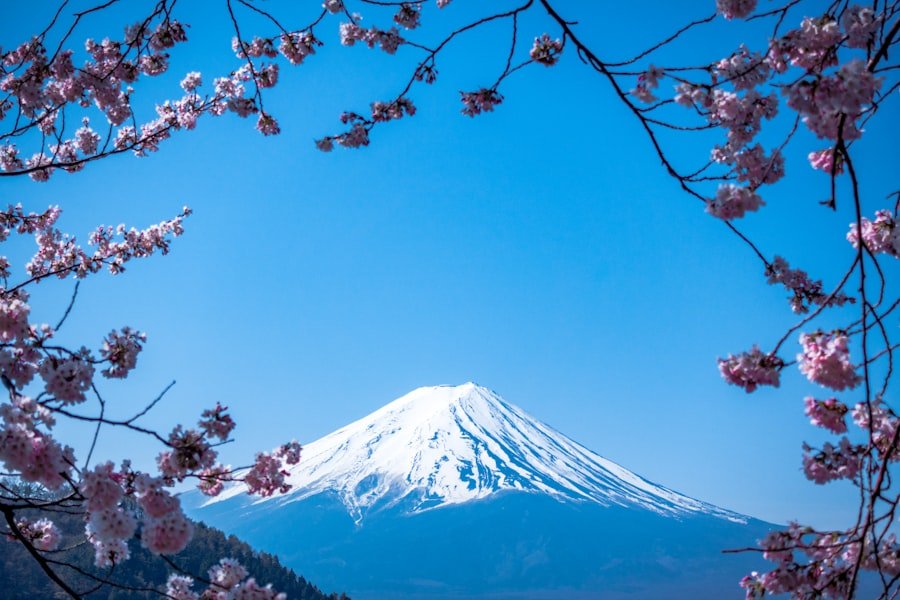
Being aware of these regional variations can enhance your experience when interacting with individuals from different parts of Japan. Additionally, certain festivals or local events may have their own specific customs related to toasting. For example, during cherry blossom viewing parties (hanami), participants often raise their glasses while appreciating the beauty of blooming sakura trees.
Understanding these regional nuances not only enriches your knowledge but also demonstrates respect for local traditions when engaging with people from various backgrounds.
Avoiding Common Mistakes When Making a Toast in Japan
While making a toast may seem straightforward, there are several common pitfalls that one should avoid when participating in this cultural practice. One major mistake is failing to wait for everyone to be ready before initiating the toast; this can come across as inconsiderate or rushed. Additionally, neglecting eye contact during the toast may signal disinterest or lack of sincerity.
Another common error is using inappropriate language or phrases that do not align with the occasion’s tone. For instance, using overly casual language during formal events can be seen as disrespectful. It is crucial to gauge the atmosphere and adjust your approach accordingly.
By being mindful of these potential missteps, you can navigate social situations more gracefully and leave a positive impression on your Japanese counterparts.
Incorporating Japanese Toasting Customs into Your Social and Business Interactions
Integrating Japanese toasting customs into your social and business interactions can significantly enhance your relationships with Japanese individuals. By embracing these traditions, you demonstrate cultural sensitivity and an eagerness to connect on a deeper level. Whether you are attending a formal dinner or enjoying drinks with friends, taking the time to initiate or participate in a toast can create memorable moments that strengthen bonds.
Moreover, incorporating these customs into your interactions can serve as an excellent conversation starter. Sharing your experiences with Japanese culture or asking questions about local customs can lead to engaging discussions that foster understanding and connection. By actively participating in these rituals, you not only enrich your own experiences but also contribute positively to the cultural exchange between yourself and your Japanese counterparts.
Embracing the Spirit of Celebration and Connection Through Japanese Toasting Traditions
Ultimately, embracing Japanese toasting traditions allows individuals to celebrate not only special occasions but also the connections forged through shared experiences. The act of raising a glass transcends mere words; it embodies gratitude, respect, and joy among participants. By understanding the significance behind this practice, one can fully appreciate its role in fostering relationships within both social and business contexts.
At NLS Norwegian Language School in Oslo, we recognise the importance of cultural understanding alongside language learning. Our Japanese courses offer students an opportunity not only to learn the language but also to delve into cultural practices such as toasting traditions. By incorporating lessons on etiquette, common phrases, and pronunciation into our curriculum, we aim to equip students with the tools they need to navigate social interactions confidently while embracing the rich tapestry of Japanese culture.
In conclusion, whether you are raising a glass at a wedding or sharing drinks with colleagues after work, understanding Japanese toasting customs enriches your experience and fosters meaningful connections with those around you. Embrace this beautiful tradition as you embark on your journey through language learning at NLS Norwegian Language School—where we celebrate both language and culture hand-in-hand!
Your Japanese journey starts in Oslo. Join our classes at NLS and sign up today!




