

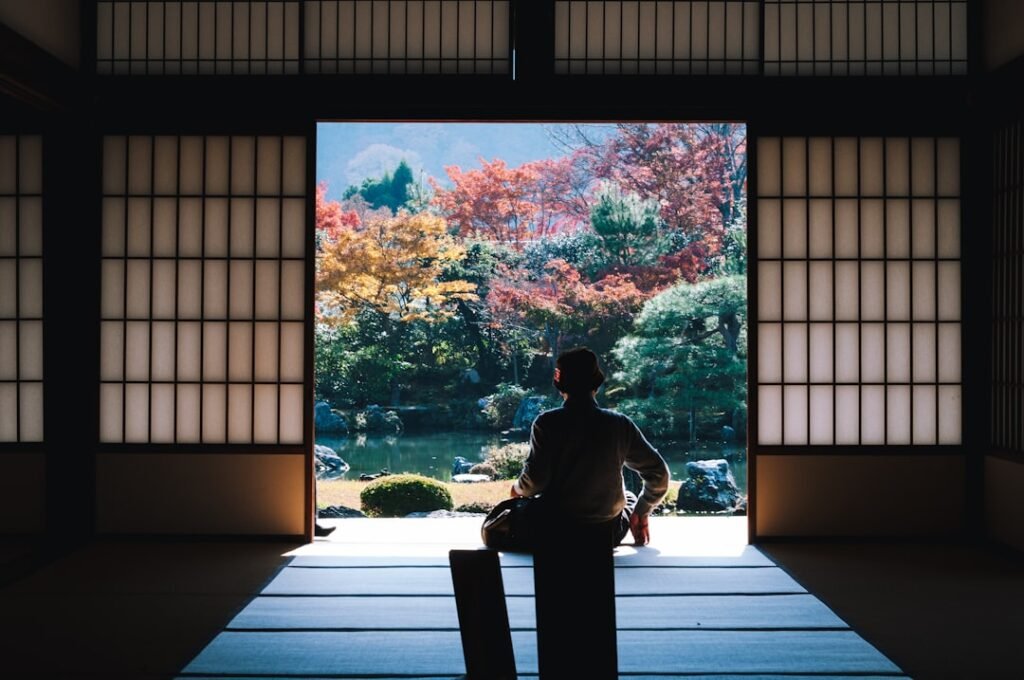
When stepping into an izakaya, the vibrant atmosphere is often accompanied by a warm welcome from the staff. The traditional greeting, “Irasshaimase!” resonates throughout the establishment, inviting patrons to immerse themselves in the culinary experience that awaits. As you enter, it is customary to acknowledge the greeting with a nod or a smile, setting a friendly tone for your visit.
This initial interaction is not merely a formality; it reflects the Japanese culture of hospitality, known as “omotenashi,” which emphasises anticipating guests’ needs and providing exceptional service. Once settled at your table, it is customary to introduce yourself if you are dining with new acquaintances or friends. A simple “Hajimemashite” (Nice to meet you) can go a long way in breaking the ice.
Engaging in light conversation about your interest in Japanese cuisine or your previous experiences at izakayas can foster a sense of camaraderie among diners. This initial exchange lays the groundwork for a delightful evening filled with shared stories and culinary adventures. Unlock the rich world of Japanese culture, from anime to ancient traditions.
Summary
- When greeting someone in a British izakaya, a simple “hello” or “good evening” is appropriate, followed by a polite introduction if necessary.
- When ordering drinks, it’s common to use phrases like “I’ll have a pint of lager, please” or “Could I get a glass of red wine, please?”
- When ordering food, it’s polite to say “I’d like to order the chicken karaage, please” or “Could we have the sushi platter, please?”
- When asking for recommendations, phrases like “What do you recommend for a vegetarian option?” or “What’s your speciality dish?” are commonly used.
- Express appreciation for the food and drinks by saying “This sushi is delicious, thank you” or “The cocktails here are fantastic, thank you.”
Ordering Drinks
As the evening unfolds, the next step is to order drinks, an integral part of the izakaya experience. The drink menu typically features a variety of options, from traditional sake and shochu to refreshing beers and innovative cocktails. When ordering, it is common to raise your hand slightly to catch the attention of the staff, followed by a polite “Sumimasen” (Excuse me).
This gesture not only shows respect but also aligns with the izakaya’s informal yet courteous atmosphere. If you are unsure about what to choose, don’t hesitate to ask for recommendations. The staff are usually well-versed in the menu and can suggest pairings that complement your meal.
For instance, if you opt for a light beer, it might be perfect alongside grilled yakitori, while a rich sake could enhance the flavours of sashimi. The act of ordering drinks is not just about quenching thirst; it is an opportunity to explore the diverse flavours of Japanese beverages and enhance your dining experience.
Ordering Food
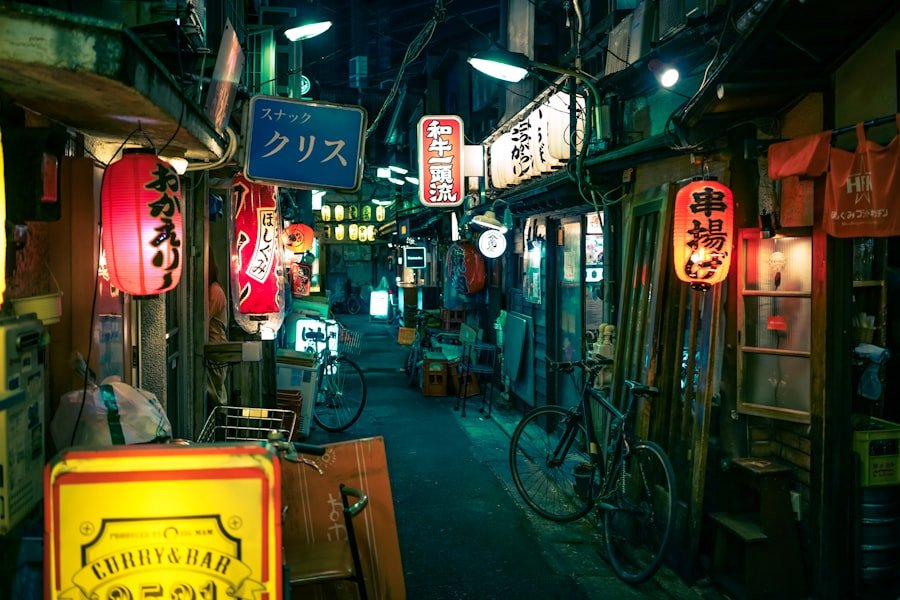
Once drinks are settled, it’s time to delve into the food menu, which is often a delightful array of small plates designed for sharing. The izakaya concept revolves around communal dining, encouraging patrons to sample various dishes. When ordering, it is customary to refer to the menu items by their Japanese names, which adds an authentic touch to your experience.
For example, you might say, “Kore wa yakitori desu ka?” (Is this yakitori?) as you point to a dish that piques your interest. It’s advisable to order several dishes at once, as they will arrive at your table as they are prepared rather than all at once. This allows for a leisurely dining experience where you can savour each dish while enjoying your drinks.
Don’t hesitate to ask about seasonal specials or chef recommendations; these often showcase the freshest ingredients and unique flavours that define Japanese cuisine. The excitement of ordering food in an izakaya lies in the anticipation of sharing and discovering new tastes together.
Asking for Recommendations
Asking for recommendations is an essential part of the izakaya experience, especially if you are unfamiliar with Japanese cuisine. The staff are typically enthusiastic about sharing their knowledge and can guide you through the menu with ease. A simple “O-susume wa nan desu ka?” (What do you recommend?) can open up a conversation that leads to discovering hidden gems on the menu.
Moreover, engaging with the staff about their personal favourites can enhance your dining experience significantly. They may suggest dishes that are not only popular among patrons but also reflect regional specialties or seasonal ingredients. This interaction not only enriches your meal but also fosters a connection with the culture and culinary traditions of Japan.
Expressing Appreciation for the Food and Drinks
Once your food arrives, expressing appreciation for the meal is customary and adds to the overall dining experience. A heartfelt “Itadakimasu” (Let’s eat) before digging in signifies gratitude for the meal prepared by the chefs. As you savour each bite, don’t hesitate to compliment specific dishes that stand out.
Phrases like “Oishii!” (Delicious!) or “Subarashii!” (Wonderful!) can be used to convey your enjoyment and appreciation for the culinary craftsmanship. Additionally, expressing gratitude towards the drinks enhances the overall experience. If you find a particular sake or cocktail delightful, let the staff know with a simple “Kono sake wa totemo oishii desu!” (This sake is very delicious!).
Such expressions not only show appreciation but also encourage a positive rapport with the staff, making your visit more memorable.
Making Small Talk with Other Patrons
Izakayas are often bustling with energy and camaraderie, making them ideal places for socialising not just with friends but also with fellow patrons. Engaging in small talk can lead to delightful conversations and shared experiences over food and drinks. A friendly “Konbanwa” (Good evening) or “Anata wa nani o tabemasu ka?” (What are you eating?) can serve as an excellent icebreaker.
Many diners at izakayas are open to chatting about their favourite dishes or their experiences in Japan. Sharing stories about travel or culinary adventures can create a sense of community within the lively atmosphere of the izakaya. This interaction enriches your experience and allows you to connect with others who share similar interests in food and culture.
Asking for the Bill
As your meal comes to an end, it’s time to settle up. In an izakaya, asking for the bill is typically done by raising your hand and saying “Okanjo onegaishimasu” (Could I have the bill, please?). This polite request signals that you are ready to conclude your dining experience while maintaining respect for the staff.
It’s worth noting that in many izakayas, bills are calculated based on what you ordered rather than per person, so be prepared for a collective total if dining with friends. Once you receive the bill, take a moment to review it before proceeding to pay at the register or at your table, depending on the establishment’s policy.
Complimenting the Atmosphere and Decor
The ambiance of an izakaya plays a significant role in enhancing your dining experience. From traditional wooden furnishings to vibrant lanterns and calligraphy adorning the walls, each element contributes to a unique atmosphere that reflects Japanese culture. Complimenting the decor can be a lovely way to engage with staff or fellow diners; phrases like “Kono mise wa kirei desu ne” (This place is beautiful) can spark conversations about design influences or personal experiences.
Moreover, appreciating the atmosphere can deepen your connection to the dining experience itself. Whether it’s the lively chatter of patrons or the enticing aromas wafting from the kitchen, acknowledging these elements adds richness to your visit. It’s this blend of culinary delight and cultural immersion that makes dining at an izakaya truly special.
Asking for Assistance from the Staff
Throughout your visit, there may be moments when you require assistance from the staff—whether it’s clarifying menu items or needing extra utensils. Approaching them politely with “Sumimasen” followed by your request demonstrates respect and courtesy. The staff are usually eager to help and will appreciate your politeness.
If you have dietary restrictions or preferences, don’t hesitate to communicate these clearly. Phrases like “Vegetarian desu” (I am vegetarian) or “Niku ga taberarenai” (I cannot eat meat) will help ensure that your needs are met without any confusion. The willingness of staff to accommodate requests reflects their commitment to providing an enjoyable dining experience.
Understanding Izakaya Etiquette
Understanding izakaya etiquette enhances not only your experience but also shows respect for Japanese customs. One key aspect is sharing dishes; it’s customary for diners to order multiple plates for everyone at the table rather than individual meals. This communal approach fosters a sense of togetherness and encourages sharing flavours.
Another important etiquette point is using chopsticks correctly; avoid sticking them upright in rice or passing food directly from one set of chopsticks to another, as these actions are associated with funerary customs in Japan. Instead, use serving utensils provided for sharing dishes when passing food around. Being mindful of these etiquettes demonstrates cultural sensitivity and enriches your overall experience at an izakaya.
Saying Goodbye and Thanking the Staff
As your evening draws to a close, saying goodbye is an essential part of your visit. A simple “Arigatou gozaimashita” (Thank you very much) expresses gratitude for both the food and service received during your time at the izakaya. It’s customary for staff to respond with “Arigatou gozaimashita” as well, creating a warm farewell atmosphere.
If you particularly enjoyed your experience, consider leaving a small tip or expressing your appreciation verbally once more as you exit. This gesture acknowledges their hard work and dedication in providing an enjoyable dining experience. Leaving on a positive note not only reflects well on you as a patron but also contributes to maintaining the welcoming spirit of izakayas.
In conclusion, immersing yourself in an izakaya experience involves more than just enjoying delicious food and drinks; it encompasses engaging with staff and fellow patrons while respecting cultural customs. For those interested in expanding their culinary horizons further, consider enrolling in Japanese courses at NLS Norwegian Language School in Oslo. These courses offer an excellent opportunity to learn not only the language but also cultural nuances that enhance your understanding of Japan’s rich culinary traditions.
By mastering basic phrases and etiquette through these courses, you’ll be well-equipped to navigate any izakaya with confidence and appreciation on your next visit!
Your Japanese journey starts in Oslo. Join our classes at NLS and sign up today!




