


The beauty of language lies not only in its ability to convey information but also in its power to express emotions and sentiments. Japanese, with its rich cultural heritage and intricate nuances, offers a plethora of romantic phrases that can encapsulate the depth of one’s feelings. Whether you are a native speaker or someone who has recently taken an interest in the language, understanding these phrases can enhance your ability to connect with others on a more intimate level.
The Japanese language is steeped in tradition, and its romantic expressions often reflect the subtleties of love, affection, and longing. In this exploration of romantic Japanese phrases, we will delve into various expressions that convey love and affection. From the profound declaration of “Aishiteru” to the tender sentiment of “Kimi o omou,” each phrase carries its own weight and significance.
These expressions not only serve as a means of communication but also as a window into the cultural values surrounding love in Japan. As we journey through these phrases, we will uncover their meanings, contexts, and the emotions they evoke, allowing us to appreciate the beauty of love in the Japanese language. Unlock the rich world of Japanese culture, from anime to ancient traditions.
Summary
- Romantic Japanese phrases can convey deep emotions and affection in a unique way.
- “Aishiteru” is the ultimate declaration of love in Japanese, expressing a profound and intense love for someone.
- “Suki desu” is a versatile phrase that can be used to express affection, liking, or preference for someone or something.
- “Kimi ga suki” is a direct way to let someone know that you like them romantically.
- “Issho ni itai” expresses the desire to be together with someone, conveying a longing for closeness and togetherness.
“Aishiteru” – The Ultimate Declaration of Love
Among the myriad of romantic phrases in Japanese, “Aishiteru” stands out as the ultimate declaration of love. This phrase translates directly to “I love you,” but its significance extends far beyond mere words. In Japanese culture, expressing love is often done with great care and consideration, making “Aishiteru” a powerful statement reserved for deep emotional connections.
It is not a phrase that is thrown around lightly; rather, it is a heartfelt expression that signifies a profound commitment to another person. When uttering “Aishiteru,” one is not merely stating a feeling; they are sharing a piece of their soul. This phrase encapsulates the essence of romantic love, embodying passion, devotion, and an unwavering bond.
It is often used in moments of vulnerability, where one partner seeks to affirm their feelings for the other. In relationships, saying “Aishiteru” can strengthen the emotional connection between partners, fostering a sense of security and intimacy that is essential for lasting love.
“Suki desu” – Expressing Affection and Like

While “Aishiteru” conveys deep love, “Suki desu” serves as a more casual yet equally meaningful expression of affection. Translated as “I like you,” this phrase is often used in the early stages of a relationship or when expressing fondness for someone without the weight of a full-blown declaration of love. It captures the essence of admiration and attraction, making it an ideal phrase for those who are still navigating the complexities of their feelings.
“Suki desu” can be used in various contexts, from friendships to budding romances. It allows individuals to express their feelings without overwhelming the other person. In many cases, saying “Suki desu” can pave the way for deeper conversations about emotions and intentions.
It is a gentle way to let someone know that they hold a special place in your heart while leaving room for further exploration of those feelings. This phrase embodies the beauty of affection in its simplest form, making it an essential part of romantic communication in Japanese.
“Kimi ga suki” – Letting Someone Know You Like Them
Building on the sentiment expressed in “Suki desu,” the phrase “Kimi ga suki” translates to “I like you” but carries a more personal touch due to the use of “kimi,” which means “you.” This phrase is often used when addressing someone with whom you share a close relationship or when you want to convey your feelings in a more intimate manner. By using “kimi,” the speaker creates a sense of closeness and familiarity that enhances the emotional weight of the expression. When someone says “Kimi ga suki,” it is often accompanied by gestures or actions that further communicate their affection.
This phrase can be particularly effective in romantic settings, where subtlety and nuance play significant roles in conveying emotions. It allows individuals to express their feelings without overwhelming their partner, making it an ideal choice for those who are still exploring their romantic connections. Ultimately, “Kimi ga suki” serves as a bridge between casual affection and deeper love, allowing for a natural progression in relationships.
“Issho ni itai” – Expressing the Desire to Be Together
The longing for companionship is a universal sentiment, and in Japanese, this desire is beautifully encapsulated in the phrase “Issho ni itai,” which translates to “I want to be together.” This expression conveys not only a wish for physical proximity but also an emotional yearning for connection and shared experiences. It reflects the deep-seated human desire to bond with others and create lasting memories together. When someone expresses “Issho ni itai,” they are articulating their wish to share moments with their loved one, whether it be through simple activities or grand adventures.
This phrase can be particularly poignant during times of separation or distance, where the longing for togetherness becomes even more pronounced. By using this expression, individuals can communicate their commitment to nurturing their relationship and their desire to build a future together. It serves as a reminder that love thrives on shared experiences and emotional closeness.
“Kono mama zutto” – Expressing the Desire for Things to Stay the Same
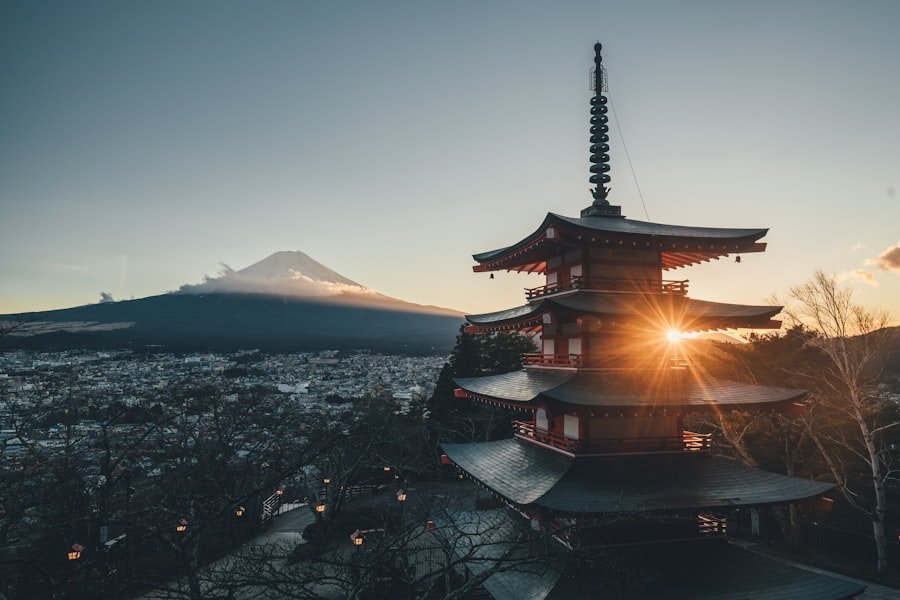
In relationships, there are moments when one wishes for time to stand still, cherishing the present while fearing change. The phrase “Kono mama zutto,” which translates to “I want things to stay like this forever,” encapsulates this sentiment perfectly. It expresses a desire to preserve the current state of happiness and contentment within a relationship, highlighting the importance of cherishing each moment spent together.
When someone says “Kono mama zutto,” they are acknowledging the beauty of their current circumstances while expressing a hope that it will last indefinitely. This phrase can be particularly meaningful during moments of joy or intimacy, where both partners feel deeply connected and content. It serves as a reminder to appreciate the present while also reinforcing the bond between partners.
By expressing this desire for permanence, individuals can strengthen their commitment to one another and cultivate an environment where love can flourish.
“Kimi o omou” – Letting Someone Know You’re Thinking of Them
Thoughtfulness is an integral part of any romantic relationship, and expressing that you are thinking of someone can have a profound impact on their feelings. The phrase “Kimi o omou,” which translates to “I think of you,” conveys this sentiment beautifully. It serves as a gentle reminder that your partner occupies a special place in your thoughts and heart, reinforcing emotional intimacy.
When someone shares “Kimi o omou,” they are not only expressing affection but also demonstrating care and consideration for their partner’s well-being. This phrase can be particularly meaningful during times of separation or when one partner is facing challenges. By letting someone know that they are on your mind, you create a sense of connection that transcends physical distance.
It fosters an environment where both partners feel valued and cherished, ultimately strengthening their bond.
“Koi suru” – The Japanese Word for Love
The term “Koi suru” translates directly to “to fall in love,” encapsulating the exhilarating experience of developing romantic feelings for someone special. This phrase embodies the excitement and passion that often accompany new relationships, making it an essential part of romantic vocabulary in Japanese. Unlike “Aishiteru,” which signifies established love, “Koi suru” captures the essence of infatuation and longing that characterises the early stages of romance.
When someone uses “Koi suru,” they are acknowledging the transformative power of love and its ability to evoke intense emotions. This phrase can be used to describe both fleeting crushes and deep connections, making it versatile in its application. By expressing “Koi suru,” individuals can share their feelings with others while embracing the thrill of new love.
It serves as a reminder that love is not only about commitment but also about the joy and excitement that comes with discovering someone new.
“Anata ga inakute sabishii” – Expressing Loneliness Without Someone
Love is often accompanied by feelings of longing and loneliness when partners are apart. The phrase “Anata ga inakute sabishii,” which translates to “I feel lonely without you,” poignantly captures this sentiment. It expresses vulnerability and openness about one’s emotions, allowing individuals to communicate their need for connection during times of separation.
When someone shares “Anata ga inakute sabishii,” they are acknowledging the impact that their partner has on their emotional well-being. This phrase can serve as an invitation for deeper conversations about feelings and needs within a relationship. By expressing loneliness, individuals create an opportunity for their partner to respond with reassurance and support, ultimately strengthening their bond.
It highlights the importance of communication in relationships and reinforces the idea that love thrives on mutual understanding and empathy.
“Kokoro no naka ni” – Letting Someone Know They’re in Your Heart
The heart is often seen as the seat of emotions, and in Japanese culture, expressing that someone resides within your heart carries profound significance. The phrase “Kokoro no naka ni,” which translates to “You are in my heart,” beautifully encapsulates this sentiment. It conveys deep affection and attachment while emphasising the emotional connection between partners.
When someone says “Kokoro no naka ni,” they are sharing an intimate part of themselves with their loved one. This expression serves as a reminder that love transcends physical presence; it exists within one’s thoughts and feelings regardless of distance or circumstance. By using this phrase, individuals can reinforce their commitment to one another while fostering a sense of security within their relationship.
It highlights the importance of emotional closeness and serves as a testament to the enduring nature of love.
Conclusion and Final Thoughts on Using Romantic Japanese Phrases
In conclusion, exploring romantic Japanese phrases offers valuable insights into the nuances of love and affection within relationships. Each expression carries its own weight and significance, allowing individuals to communicate their feelings with depth and sincerity. From declarations like “Aishiteru” to tender sentiments such as “Kimi o omou,” these phrases enrich our understanding of romance in Japanese culture.
For those interested in learning more about these beautiful expressions or delving deeper into the Japanese language itself, consider enrolling in courses at NLS Norwegian Language School in Oslo. Their comprehensive Japanese courses provide an excellent opportunity to explore not only language but also cultural nuances that shape communication styles in Japan. Whether you are looking to enhance your conversational skills or gain insights into romantic expressions, NLS offers tailored programmes designed to meet your needs.
Embracing these romantic phrases can enhance your ability to connect with others on an emotional level while fostering deeper relationships built on understanding and affection. As you navigate your journey through language learning or personal connections, remember that words have power—especially when they come from the heart.
Your Japanese journey starts in Oslo. Join our classes at NLS and sign up today!




