


Engaging in conversations about the weather is a universal social practice, and in Japan, it holds a special significance. Weather discussions often serve as an icebreaker, allowing individuals to connect on a personal level. In Japanese culture, where politeness and social harmony are paramount, talking about the weather can help establish rapport and ease into more profound conversations.
Whether you are a language learner or someone interested in Japanese culture, understanding how to navigate weather-related discussions can enhance your communication skills and cultural appreciation. Moreover, the Japanese language offers a rich tapestry of expressions and vocabulary related to weather. From the gentle breezes of spring to the heavy snows of winter, each season brings its own unique weather patterns that are deeply embedded in the cultural consciousness.
By mastering the nuances of weather conversations in Japanese, you not only improve your language proficiency but also gain insights into the cultural values and traditions that shape everyday life in Japan. Unlock the rich world of Japanese culture, from anime to ancient traditions.
Summary
- Weather conversations are an important part of daily life in Japan, and it’s helpful to know the basic vocabulary and phrases for discussing the weather in Japanese.
- Basic weather vocabulary in Japanese includes words for different types of weather, such as sunny, rainy, windy, and snowy.
- When asking about the weather in Japanese, it’s common to use the phrase “Tenki wa dou desu ka?” which means “How’s the weather?”
- Describing the weather in Japanese involves using adjectives to convey the current conditions, such as “atsui” for hot, “samui” for cold, and “ame” for rain.
- Japanese culture places a strong emphasis on the changing seasons, and it’s common to discuss seasonal activities and preferences for different types of weather.
Basic Vocabulary for Weather in Japanese
To engage in meaningful conversations about the weather, one must first familiarise themselves with essential vocabulary. The Japanese language has specific terms for various weather conditions, which can be quite different from their English counterparts. For instance, “天気” (tenki) means “weather,” while “晴れ” (hare) refers to “sunny” weather.
Other important terms include “雨” (ame) for “rain,” “雪” (yuki) for “snow,” and “風” (kaze) for “wind.” Understanding these basic words is crucial for anyone looking to discuss weather conditions effectively. In addition to these fundamental terms, it is also beneficial to learn adjectives that describe the intensity or quality of the weather. For example, “暑い” (atsui) means “hot,” while “寒い” (samui) translates to “cold.” You might also encounter phrases like “湿度が高い” (shitsudo ga takai), meaning “high humidity,” which can be particularly relevant during Japan’s sweltering summer months.
By building a solid vocabulary foundation, you will be better equipped to engage in conversations about the weather with native speakers.
Asking About the Weather in Japanese
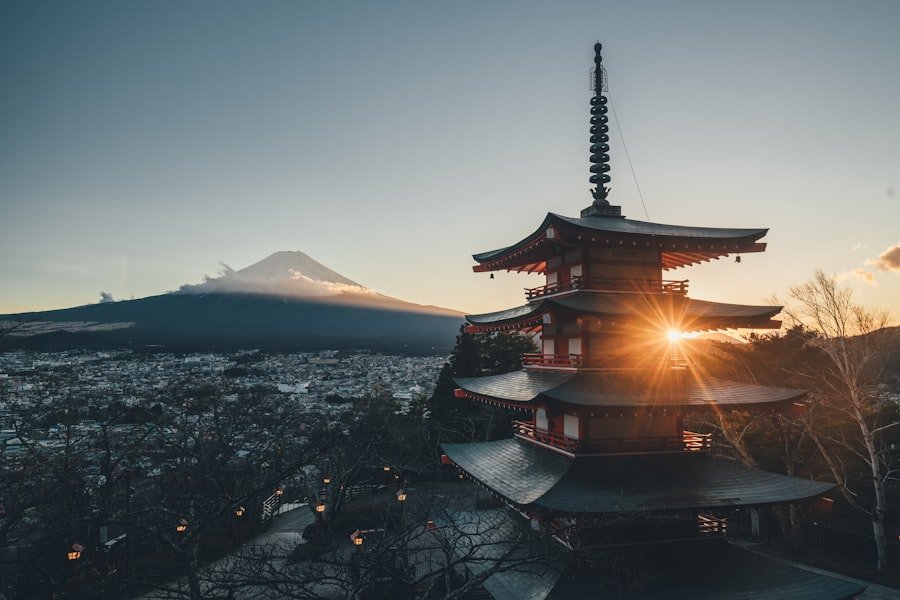
When initiating a conversation about the weather, knowing how to ask questions is essential. A common way to inquire about the weather in Japanese is by using the phrase “今日の天気はどうですか?” (Kyou no tenki wa dou desu ka?), which translates to “How is the weather today?” This simple yet effective question opens the door for further discussion and allows you to gauge the other person’s feelings about the current weather conditions. In addition to asking about the present weather, you may also want to inquire about forecasts or upcoming changes.
For instance, you could ask, “明日の天気はどうですか?” (Ashita no tenki wa dou desu ka?), meaning “What will the weather be like tomorrow?” This question not only shows your interest in the conversation but also provides an opportunity for the other person to share their thoughts on future weather patterns, which can lead to more engaging dialogue.
Describing the Weather in Japanese
Once you have established a conversation about the weather, it is essential to know how to describe it accurately. In Japanese, you can use various phrases to convey specific weather conditions. For example, if it is sunny, you might say “今日は晴れています” (Kyou wa hareteimasu), meaning “It is sunny today.” If it is raining, you could express this by saying “今日は雨が降っています” (Kyou wa ame ga futteimasu), which translates to “It is raining today.” Additionally, incorporating descriptive adjectives can enrich your conversation.
Instead of simply stating that it is cold, you might say “今日はとても寒いです” (Kyou wa totemo samui desu), meaning “It is very cold today.” This not only provides more information but also makes your conversation more engaging and expressive. By mastering these descriptive phrases, you will be able to paint a vivid picture of the weather for your conversation partner.
Talking About the Seasons in Japanese
Japan experiences four distinct seasons—spring, summer, autumn, and winter—each with its own unique characteristics and cultural significance. When discussing the seasons in Japanese, it is essential to know the vocabulary associated with each one. For instance, “春” (haru) means “spring,” “夏” (natsu) translates to “summer,” “秋” (aki) refers to “autumn,” and “冬” (fuyu) means “winter.” These terms are fundamental when engaging in conversations about seasonal changes and activities.
Moreover, each season brings with it specific weather patterns that can be discussed in detail. For example, during spring, one might talk about cherry blossoms blooming and the pleasant temperatures that accompany this time of year. In contrast, summer discussions may revolve around hot and humid days, while autumn might bring up topics of cool breezes and colourful foliage.
Winter conversations often focus on snowfall and cold temperatures. By understanding how to talk about seasons and their associated weather conditions, you can engage in more meaningful discussions that reflect Japan’s rich cultural landscape.
Expressing Preferences for Weather in Japanese
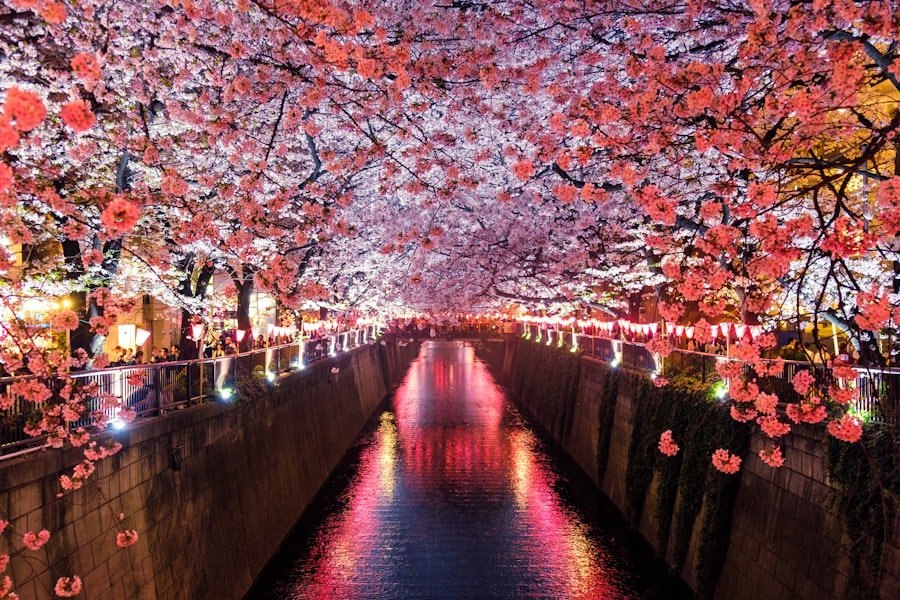
In any conversation about the weather, expressing personal preferences can add depth and personality to your dialogue. In Japanese, you can convey your likes or dislikes regarding certain weather conditions using phrases such as “私は晴れが好きです” (Watashi wa hare ga suki desu), meaning “I like sunny weather.” Conversely, if you prefer cooler temperatures, you might say “私は寒い天気が好きです” (Watashi wa samui tenki ga suki desu), which translates to “I like cold weather.” Additionally, discussing preferences can lead to interesting exchanges about activities associated with different weather conditions. For instance, if you enjoy sunny days for outdoor activities like picnics or hiking, sharing this information can create a more engaging conversation.
By expressing your preferences clearly and confidently, you not only enhance your conversational skills but also foster a deeper connection with your conversation partner.
Using Weather Idioms and Proverbs in Japanese
Japanese culture is rich with idioms and proverbs that relate to weather phenomena. Incorporating these expressions into your conversations can demonstrate your understanding of the language and its cultural nuances. For example, the phrase “雨降って地固まる” (Ame futte ji katamaru) translates to “After rain comes fair weather,” which conveys the idea that difficulties often lead to better outcomes.
Using such idioms can add a layer of depth to your conversations about the weather. Another common expression is “晴れた日は出かけよう” (Hareta hi wa dekakeyou), meaning “Let’s go out on sunny days.” This phrase reflects a cultural appreciation for good weather and outdoor activities. By familiarising yourself with these idioms and proverbs, you can enrich your conversations and demonstrate a deeper understanding of Japanese culture.
Discussing Weather-related Activities in Japanese
Weather often dictates our daily activities, making it a natural topic of conversation when discussing plans or events. In Japan, various activities are associated with different weather conditions and seasons. For instance, during summer, people often enjoy going to beaches or participating in fireworks festivals.
You might say, “夏は海に行くのが好きです” (Natsu wa umi ni iku no ga suki desu), meaning “I like going to the beach in summer.” Conversely, winter activities may include skiing or enjoying hot springs. You could express this by saying, “冬はスキーをするのが楽しいです” (Fuyu wa sukii o suru no ga tanoshii desu), which translates to “Skiing is fun in winter.” By discussing these activities in relation to the weather, you not only make your conversations more engaging but also share personal experiences that can resonate with others.
Using Polite Language When Talking About the Weather in Japanese
Politeness is a cornerstone of Japanese communication, and this extends to discussions about the weather as well. When conversing with someone you do not know well or someone of higher status, using polite language is essential. For example, instead of saying “今日は寒い” (Kyou wa samui), which means “It is cold today,” you would use a more polite form: “今日は寒いですね” (Kyou wa samui desu ne), adding a level of respect and warmth to your statement.
Additionally, when asking questions about the weather or making comments, incorporating polite forms can enhance your interactions significantly. Using phrases like “お天気はいかがですか?” (Otenki wa ikagadesu ka?), meaning “How is the weather?” demonstrates respect and consideration for your conversation partner’s feelings. By mastering polite language when discussing the weather, you will navigate social situations more gracefully and effectively.
Weather-related Small Talk in Japanese Culture
In Japanese culture, small talk often revolves around everyday topics such as the weather. Engaging in light-hearted conversations about current conditions or seasonal changes can help break the ice and foster connections between individuals. For instance, starting a conversation with a comment like “今日はいい天気ですね” (Kyou wa ii tenki desu ne), meaning “It’s nice weather today,” can lead to further discussion about plans or experiences related to that day’s conditions.
Moreover, small talk about the weather can serve as a prelude to more profound discussions on various topics. It allows individuals to gauge each other’s mood and comfort levels before delving into more personal subjects. By participating in this cultural practice of using weather as a conversational starter, you will find it easier to connect with others and build relationships within Japanese society.
Common Mistakes to Avoid When Talking About the Weather in Japanese
While discussing the weather may seem straightforward, there are common pitfalls that learners should be aware of when conversing in Japanese. One frequent mistake is using informal language when speaking with someone of higher status or someone you do not know well. As previously mentioned, politeness is crucial in Japanese culture; therefore, always opt for polite forms when appropriate.
Another common error involves mispronouncing key vocabulary or using incorrect grammatical structures. For instance, forgetting particles such as “は” (wa) or “が” (ga) can lead to confusion or misunderstandings in your statements. Additionally, failing to use appropriate adjectives can result in vague descriptions that do not accurately convey your intended message.
By being mindful of these common mistakes and practising regularly, you will improve your fluency and confidence when discussing the weather in Japanese. In conclusion, mastering conversations about the weather in Japanese involves understanding vocabulary, grammar structures, cultural nuances, and polite expressions. As you delve deeper into this topic, consider exploring specialised courses that focus on conversational skills at institutions like NLS Norwegian Language School in Oslo.
Their comprehensive Japanese courses provide an excellent opportunity for learners at all levels to enhance their language abilities while gaining insights into cultural practices such as discussing the weather. With dedicated instruction and practice, you’ll find yourself navigating these conversations with ease and confidence.
Your Japanese journey starts in Oslo. Join our classes at NLS and sign up today!




