


The Tokyo Metro is not merely a means of transportation; it is a vital artery that pulsates through the heart of Japan’s bustling capital. With its intricate network of lines and stations, the Tokyo Metro serves millions of commuters and tourists alike, offering a glimpse into the efficiency and organisation that characterises Japanese society. The system is renowned for its punctuality, cleanliness, and safety, making it an essential mode of travel for anyone wishing to explore the vibrant city of Tokyo.
As one of the most extensive subway systems in the world, it boasts 13 lines and over 280 stations, connecting various districts and attractions seamlessly. Navigating this vast network can be daunting for newcomers, especially those unfamiliar with the Japanese language. However, with a little preparation and knowledge, one can easily master the intricacies of the Tokyo Metro.
This article aims to provide essential information and tips for navigating the subway system, from learning key phrases to understanding etiquette. By equipping yourself with these tools, you will not only enhance your travel experience but also immerse yourself in the local culture. Unlock the rich world of Japanese culture, from anime to ancient traditions.
Summary
- The Tokyo Metro is a vast and efficient subway system that is essential for navigating the city.
- Essential Japanese phrases such as “Sumimasen” (excuse me) and “Eki wa doko desu ka?” (Where is the station?) are crucial for navigating the subway.
- Buying tickets and passes for the Tokyo Metro can be done at ticket machines or ticket counters in the stations.
- When asking for directions, it’s important to use polite language and gestures to show respect.
- Understanding announcements and signs in the Tokyo Metro is crucial for navigating the system effectively.
Essential Japanese Phrases for Navigating the Subway
When embarking on your journey through the Tokyo Metro, having a few essential Japanese phrases at your disposal can significantly ease your navigation. Simple expressions such as “Sumimasen” (Excuse me) and “Eki wa doko desu ka?” (Where is the station?) can be invaluable when seeking assistance from locals. Additionally, phrases like “Kono densha wa [destination] ni ikimasu ka?” (Does this train go to [destination]?) will help you confirm your route before boarding.
Moreover, understanding basic directional terms can further enhance your ability to communicate effectively. Words such as “migi” (right), “hidari” (left), and “massugu” (straight) will assist you in following directions given by station staff or fellow passengers. Familiarising yourself with these phrases not only facilitates smoother interactions but also demonstrates respect for the local language and culture, which is often appreciated by Japanese people.
Buying Tickets and Passes

Purchasing tickets for the Tokyo Metro is a straightforward process, but it can be slightly overwhelming for first-time users. Most stations are equipped with automated ticket machines that offer English language options, making it easier for non-Japanese speakers to navigate the system. To buy a ticket, you will need to know your destination station and the fare associated with it.
The fare can be found on a display board near the machines or on maps located throughout the station. In addition to single-journey tickets, there are various passes available that can save you money if you plan to travel extensively within a day or over several days. The Tokyo Subway Ticket allows unlimited rides on both the Tokyo Metro and Toei Subway lines for a specified duration, making it an excellent option for tourists.
Furthermore, if you intend to explore beyond Tokyo, consider purchasing a Japan Rail Pass, which provides access to trains across the country, including some that connect to the metro system.
Asking for Directions
Even with a good grasp of essential phrases, there may be times when you find yourself needing further assistance while navigating the Tokyo Metro. In such instances, knowing how to ask for directions can be incredibly helpful. Approaching station staff or fellow passengers with a polite “Sumimasen” followed by your question will often yield positive results.
Most Japanese people are eager to help and will do their best to assist you, even if they have limited English proficiency. When asking for directions, it is beneficial to have a map or a smartphone with navigation apps at hand. This visual aid can help clarify your destination and make it easier for others to understand your request.
Additionally, using gestures or pointing at station names on your map can bridge any language barriers that may arise during your interactions.
Understanding Announcements and Signs
One of the unique aspects of the Tokyo Metro is its comprehensive signage and announcements, which are designed to assist passengers in navigating the system efficiently. Most signs are displayed in both Japanese and English, making it relatively easy for non-Japanese speakers to find their way around. However, understanding the announcements made over the intercom can be more challenging due to their speed and complexity.
To better comprehend these announcements, it may be helpful to familiarise yourself with common phrases used during train operations. For instance, “Densha ga mairimasu” (The train is arriving) or “Shuppatsu shimasu” (The train is departing) are frequently heard and indicate important information regarding train schedules. Additionally, paying attention to visual displays on platforms can provide real-time updates about train arrivals and any delays that may occur.
Etiquette and Manners on the Subway
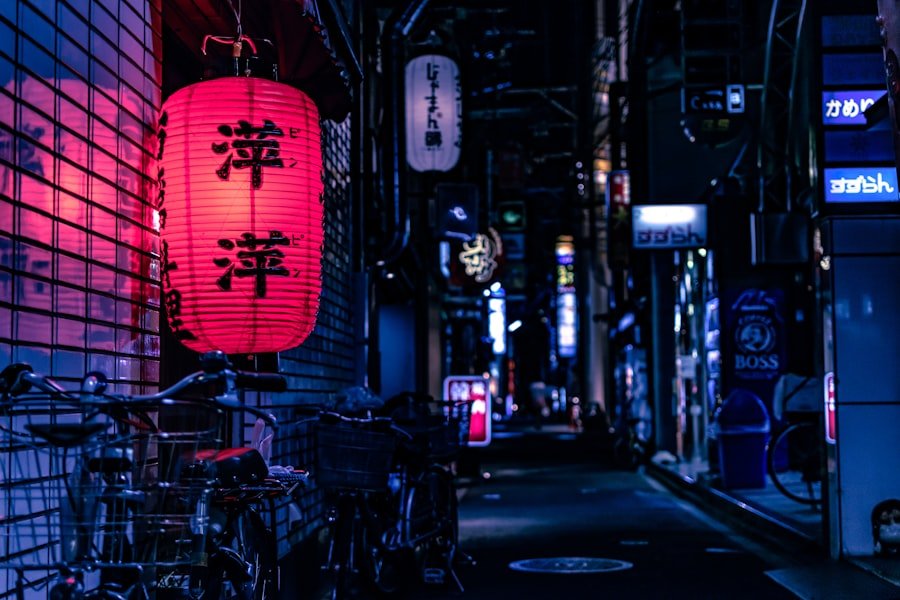
Navigating the Tokyo Metro is not just about understanding how to get from point A to point B; it also involves adhering to certain social norms and etiquette that are deeply ingrained in Japanese culture. For instance, it is customary to maintain silence while on public transport; loud conversations or phone calls are generally frowned upon. Instead, passengers are encouraged to keep their voices low and respect the personal space of others.
Another important aspect of subway etiquette is queuing. When waiting for a train, it is expected that passengers form orderly lines on the platform, allowing those disembarking to exit before new passengers board. Additionally, priority seating is designated for elderly individuals, pregnant women, and those with disabilities; it is considered polite to offer your seat if you see someone in need.
Dealing with Emergencies
While emergencies are rare on the Tokyo Metro due to its high safety standards, it is still wise to be prepared for unexpected situations. In case of an emergency such as a medical issue or an accident on board, knowing how to react can make a significant difference. The first step is to remain calm and assess the situation before taking action.
If you require immediate assistance, locate a station staff member or use an emergency intercom located within train cars or at stations. These intercoms allow you to communicate directly with staff who can provide help or call for medical assistance if necessary. Additionally, being aware of emergency exits and procedures can further ensure your safety while using the subway system.
Useful Expressions for Emergencies
In emergencies, clear communication is crucial. Familiarising yourself with specific phrases can help convey your needs effectively. For instance, “Tasukete kudasai!” (Please help me!) is a vital expression that can alert others to your situation.
If someone requires medical attention, saying “Byouki desu” (I am sick) or “Kega shita” (I am injured) can provide essential information to those assisting you. Moreover, if you find yourself in a situation where you need to contact emergency services, knowing how to say “119” (the emergency number in Japan) can be beneficial. While many Japanese people understand basic English numbers, clearly stating “Hyaku ju kyuu” will ensure there is no confusion when seeking urgent help.
Navigating Transfer Stations
Transfer stations are integral components of the Tokyo Metro system, allowing passengers to switch between different lines seamlessly. However, these stations can often be quite large and complex, making navigation challenging for newcomers. To ease this process, it is advisable to study transfer routes in advance using maps or mobile applications that provide detailed information about connections.
When transferring lines, pay close attention to signage indicating which platform you need to reach. Many transfer stations have multiple levels and exits; therefore, following directional arrows and signs will help guide you efficiently from one line to another. Additionally, be mindful of peak hours when transfer stations can become crowded; planning your journey during off-peak times may enhance your overall experience.
Common Problems and Solutions
Despite its reputation for efficiency, navigating the Tokyo Metro may present some common challenges for travellers. One frequent issue is overcrowding during rush hours when trains can become packed with commuters. To mitigate this problem, consider travelling during non-peak hours if possible or waiting for the next train if you find yourself unable to board due to overcrowding.
Another common concern is confusion regarding train schedules or routes. If you find yourself lost or unsure about which train to take, do not hesitate to approach station staff for assistance. They are trained to help passengers navigate the system and will often go out of their way to ensure you reach your destination safely.
Mastering the Tokyo Metro
Mastering the Tokyo Metro may seem daunting at first glance; however, with a little preparation and knowledge of essential phrases and etiquette, navigating this extensive subway system becomes an achievable task. By familiarising yourself with ticket purchasing processes, understanding announcements and signs, and knowing how to ask for directions or deal with emergencies, you will enhance your travel experience in Tokyo significantly. For those interested in delving deeper into Japanese culture and language while exploring this vibrant city, consider enrolling in Japanese courses at the NLS Norwegian Language School in Oslo.
These courses offer an excellent opportunity to learn not only the language but also cultural nuances that will enrich your interactions during your travels in Japan. With dedication and practice, you will find yourself confidently navigating not just the Tokyo Metro but also engaging meaningfully with locals throughout your journey in Japan.
Your Japanese journey starts in Oslo. Join our classes at NLS and sign up today!




