

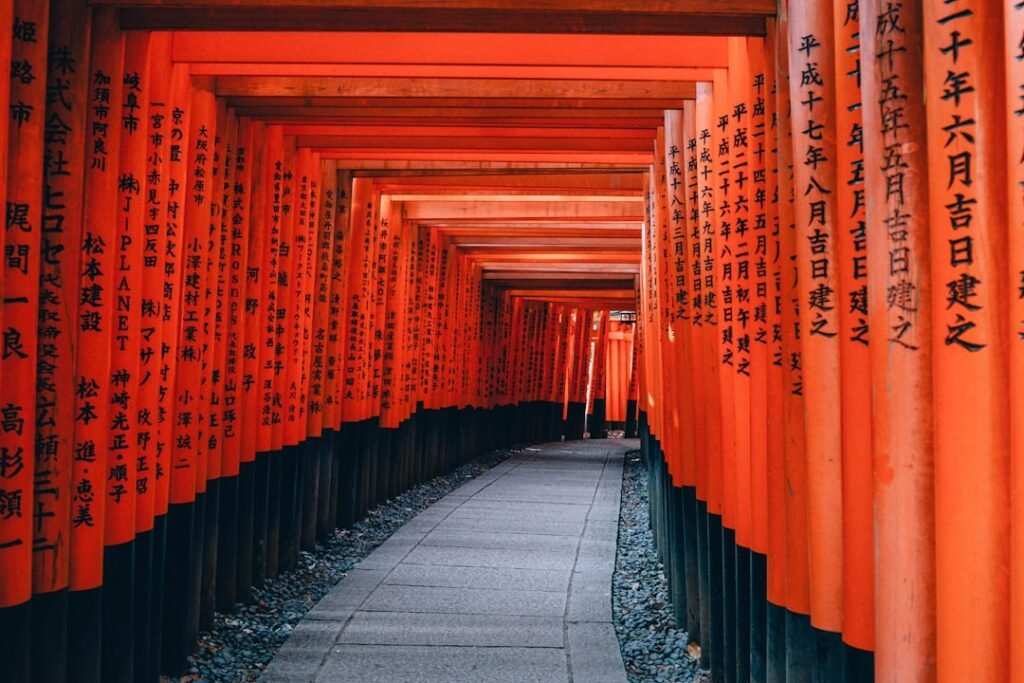
To navigate the intricate tapestry of Japanese communication, one must first grasp the cultural context that shapes interactions. Japan is a society steeped in tradition, where historical influences and social norms play a pivotal role in everyday exchanges. The concept of ‘wa’, or harmony, is central to Japanese culture, emphasising the importance of maintaining peaceful relationships and avoiding conflict.
This cultural backdrop informs not only the language but also the manner in which individuals express themselves. Understanding this context is crucial for anyone wishing to engage meaningfully with Japanese speakers. Moreover, the significance of group identity over individualism cannot be overstated.
In Japan, the collective often takes precedence, and this is reflected in communication styles that favour consensus and subtlety. When conversing with Japanese individuals, it is essential to recognise that their responses may be influenced by a desire to preserve group harmony. This understanding allows for more effective communication, as one can appreciate the nuances that underlie their words and actions.
By immersing oneself in the cultural context, one can foster deeper connections and navigate conversations with greater sensitivity. Unlock the rich world of Japanese culture, from anime to ancient traditions.
Summary
- Understanding the cultural context is crucial for effective communication in British English.
- Using polite language, such as “please” and “thank you,” is essential in British communication.
- Expressing disagreement diplomatically is important to maintain harmony in conversations.
- Acknowledging different perspectives shows respect for others’ opinions in British communication.
- Avoiding direct confrontation and using indirect language is a common practice in British communication.
Using Polite Language
Politeness is a cornerstone of Japanese communication, and mastering the art of using polite language is essential for anyone wishing to engage with Japanese speakers. The Japanese language is rich in levels of politeness, with various forms of speech that reflect respect and humility. For instance, the use of honorifics and humble expressions is commonplace, and these linguistic tools serve to convey deference to others.
When addressing someone of higher status or unfamiliarity, employing polite language not only demonstrates respect but also aligns with cultural expectations. In practice, this means that learners of Japanese must pay close attention to the nuances of speech. Simple phrases can take on different meanings depending on the level of politeness used.
For example, the verb ‘to do’ can be expressed as ‘suru’ in casual contexts but transforms into ‘nasu’ when speaking respectfully. This distinction is vital for effective communication, as using the appropriate level of politeness can significantly impact how one is perceived. By embracing the intricacies of polite language, individuals can navigate social interactions with grace and foster positive relationships.
Expressing Disagreement Diplomatically

In any culture, expressing disagreement can be a delicate matter, but in Japan, it requires an even greater level of finesse. The Japanese often prefer to avoid direct confrontation, opting instead for a more nuanced approach to disagreement. This diplomatic style is rooted in the cultural emphasis on harmony and respect for others’ feelings.
When faced with differing opinions, it is essential to articulate one’s perspective without undermining the other party’s viewpoint. One effective strategy for expressing disagreement diplomatically is to use softening language. Phrases such as “I see your point, but…” or “That’s an interesting perspective; however…” allow for a respectful exchange of ideas while still conveying one’s own stance.
Additionally, non-verbal cues play a significant role in this process; maintaining a calm demeanour and using gentle gestures can help to reinforce a message of respect. By prioritising diplomacy in disagreement, individuals can engage in constructive dialogue while preserving relationships.
Acknowledging Different Perspectives
Acknowledging different perspectives is a vital component of effective communication in Japan. The ability to recognise and validate others’ viewpoints fosters an atmosphere of mutual respect and understanding. In a culture where consensus is valued, demonstrating an appreciation for diverse opinions can lead to more fruitful discussions and collaborations.
This practice not only enhances interpersonal relationships but also contributes to a more harmonious environment. To acknowledge different perspectives effectively, one might employ phrases that express understanding or appreciation for another’s viewpoint. Statements such as “I understand where you are coming from” or “That’s a valid point” can go a long way in creating an inclusive dialogue.
Furthermore, actively seeking out others’ opinions during discussions signals openness and respect for their contributions. By embracing this approach, individuals can cultivate a culture of collaboration and inclusivity that enriches conversations.
Avoiding Direct Confrontation
In Japan, direct confrontation is often viewed as disruptive and disrespectful. As such, individuals are encouraged to navigate disagreements and conflicts with subtlety and tact. This avoidance of direct confrontation stems from the cultural emphasis on maintaining harmony and preserving relationships.
Consequently, it is essential for those engaging with Japanese speakers to adopt strategies that minimise conflict while still addressing issues at hand. One effective method for avoiding direct confrontation is to frame disagreements as opportunities for collaboration rather than conflict. By focusing on shared goals and common interests, individuals can steer conversations away from contentious topics while still addressing underlying concerns.
Additionally, employing indirect language can help convey disagreement without causing offence. Phrasing concerns as questions or suggestions rather than outright criticisms allows for a more diplomatic exchange. By prioritising harmony over confrontation, individuals can foster positive interactions and maintain strong relationships.
Using Indirect Language
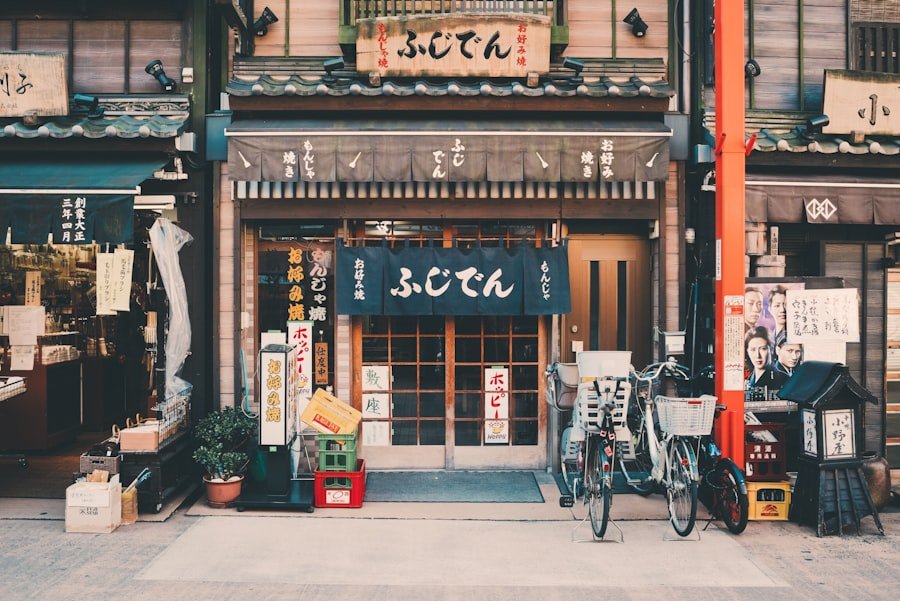
Indirect language is a hallmark of Japanese communication, serving as a means to convey messages without causing discomfort or offence. This style often involves subtle hints or implications rather than explicit statements. Understanding how to use indirect language effectively is crucial for anyone wishing to communicate successfully in Japan.
It allows individuals to express their thoughts while adhering to cultural norms that prioritise harmony and respect. For instance, instead of stating a preference outright, one might say, “It might be nice if we could consider other options,” thereby suggesting an alternative without directly rejecting the current proposal. This approach not only softens the message but also invites collaboration and discussion.
Additionally, using non-verbal cues such as nodding or maintaining eye contact can enhance the effectiveness of indirect communication. By mastering this nuanced style of expression, individuals can navigate conversations with greater ease and foster positive relationships.
Being Mindful of Tone and Body Language
In Japanese communication, tone and body language are just as important as the words spoken. The subtleties of expression can convey emotions and intentions that may not be explicitly stated. Therefore, being mindful of one’s tone and body language is essential for effective communication in Japan.
A gentle tone can signal respect and consideration, while an overly assertive tone may be perceived as aggressive or disrespectful. Body language also plays a significant role in conveying messages in Japan. For example, maintaining an open posture and using appropriate gestures can enhance understanding and rapport during conversations.
Conversely, crossing one’s arms or avoiding eye contact may be interpreted as disinterest or defensiveness. By being attuned to these non-verbal cues, individuals can create a more conducive environment for dialogue and connection.
Seeking Clarification and Understanding
In any conversation, seeking clarification is an important skill that fosters understanding and prevents miscommunication. In Japan, where indirect language often prevails, asking questions for clarification becomes even more crucial. It demonstrates a genuine interest in understanding the other person’s perspective while also ensuring that one’s own message is accurately conveyed.
When seeking clarification in Japanese conversations, it is essential to approach the topic with humility and respect. Phrases such as “Could you please elaborate on that?” or “I want to make sure I understand correctly” signal openness to dialogue and a willingness to learn from others’ insights. This practice not only enhances comprehension but also strengthens relationships by showing that one values the other person’s input.
Offering Constructive Criticism
Providing constructive criticism in Japan requires a delicate balance between honesty and tactfulness. Given the cultural emphasis on harmony and respect for others’ feelings, it is essential to approach criticism with care to avoid causing embarrassment or discomfort. The goal should be to offer feedback that encourages growth while preserving relationships.
One effective strategy for delivering constructive criticism is to begin with positive feedback before addressing areas for improvement. This approach softens the impact of criticism by framing it within a context of appreciation for the individual’s efforts. Additionally, using specific examples rather than generalisations helps clarify the feedback while minimising defensiveness.
By prioritising constructive dialogue over harsh criticism, individuals can foster an environment conducive to growth and collaboration.
Respecting Hierarchical Structures
Japanese society places significant importance on hierarchical structures, which are reflected in both social interactions and communication styles. Understanding these dynamics is crucial for anyone engaging with Japanese speakers, as it informs how individuals relate to one another based on age, status, or position within an organisation. Respecting these hierarchies not only demonstrates cultural awareness but also facilitates smoother interactions.
When communicating within hierarchical structures, it is essential to use appropriate language and titles that reflect one’s relationship with others. For instance, addressing someone by their title or using honorifics conveys respect for their position. Additionally, being mindful of who speaks first in group settings can help maintain social order and demonstrate an understanding of cultural norms.
By respecting hierarchical structures, individuals can navigate conversations with greater ease while fostering positive relationships.
Practicing Active Listening and Empathy
Active listening and empathy are fundamental skills that enhance communication in any context but are particularly vital when engaging with Japanese speakers. Demonstrating genuine interest in what others have to say fosters trust and rapport while creating an environment conducive to open dialogue. In Japan’s collectivist culture, where group harmony is paramount, practising active listening becomes even more critical.
To practise active listening effectively, one should focus on fully engaging with the speaker by maintaining eye contact and providing verbal affirmations such as nodding or saying “I see.” Additionally, reflecting back what has been said can help clarify understanding while showing that one values the speaker’s perspective. Empathy plays a complementary role; by acknowledging others’ feelings and experiences, individuals can create deeper connections that transcend mere words. As part of this journey into effective communication within Japanese culture, those interested in learning the language will find invaluable resources at the NLS Norwegian Language School in Oslo.
The school offers comprehensive Japanese courses designed to equip learners with not only linguistic skills but also cultural insights essential for meaningful interactions. With experienced instructors guiding students through the intricacies of polite language usage and indirect communication styles, NLS provides an ideal environment for mastering Japanese while embracing its rich cultural context. In conclusion, navigating communication within Japanese culture requires an understanding of its unique nuances and practices.
From using polite language to respecting hierarchical structures, each aspect plays a vital role in fostering positive interactions. By embracing these principles alongside dedicated language study at institutions like NLS Norwegian Language School in Oslo, individuals can cultivate meaningful connections that transcend linguistic barriers while honouring the rich tapestry of Japanese culture.
Your Japanese journey starts in Oslo. Join our classes at NLS and sign up today!




