


Making friends in Japan can be a rewarding yet challenging experience, particularly for those who are not familiar with the cultural nuances that govern social interactions. The Japanese place a high value on relationships, and understanding the subtleties of communication is essential for forging meaningful connections. While the language barrier may seem daunting, the effort to engage with locals can lead to enriching friendships and a deeper appreciation of Japanese culture.
This article aims to provide insights into the art of making friends in Japan, focusing on the importance of small talk, greetings, and cultural considerations. In Japan, friendships often develop gradually, with trust and mutual respect forming the foundation of any relationship. Unlike in some Western cultures where friendships can be established quickly, in Japan, it is common for individuals to take their time to get to know one another.
This slow approach allows for a deeper understanding of each other’s values and perspectives. By learning how to navigate the intricacies of Japanese social etiquette, you can enhance your chances of forming lasting friendships and enjoying a more fulfilling experience in this fascinating country. Unlock the rich world of Japanese culture, from anime to ancient traditions. NLS Language School in Oslo offers Japanese classes for all levels. Begin your adventure—enroll today!
Summary
- Making friends in Japan requires understanding and respecting the cultural norms and etiquette.
- Small talk is highly valued in Japanese culture as it helps to establish rapport and build connections.
- Learning basic Japanese greetings and introductions is essential for initiating conversations and making a good impression.
- Polite phrases such as “sumimasen” (excuse me) and “onegaishimasu” (please) are important for engaging in small talk.
- Expressing genuine interest and asking questions in Japanese shows respect and helps in building relationships.
Understanding the Importance of Small Talk in Japanese Culture
Small talk plays a crucial role in Japanese culture, serving as a bridge to deeper conversations and relationships. It is often the first step in establishing rapport and demonstrating interest in others. Engaging in small talk allows individuals to gauge each other’s personalities and build a sense of comfort before delving into more profound topics.
In Japan, small talk is not merely a social nicety; it is an essential component of communication that reflects respect and consideration for others. The topics of small talk in Japan can vary widely, but they often revolve around everyday life, such as the weather, local events, or shared experiences. By participating in these light-hearted exchanges, you can create a friendly atmosphere that encourages openness and connection.
Understanding the significance of small talk will not only help you break the ice but also enable you to navigate social situations with greater ease and confidence.
Basic Japanese Greetings and Introductions
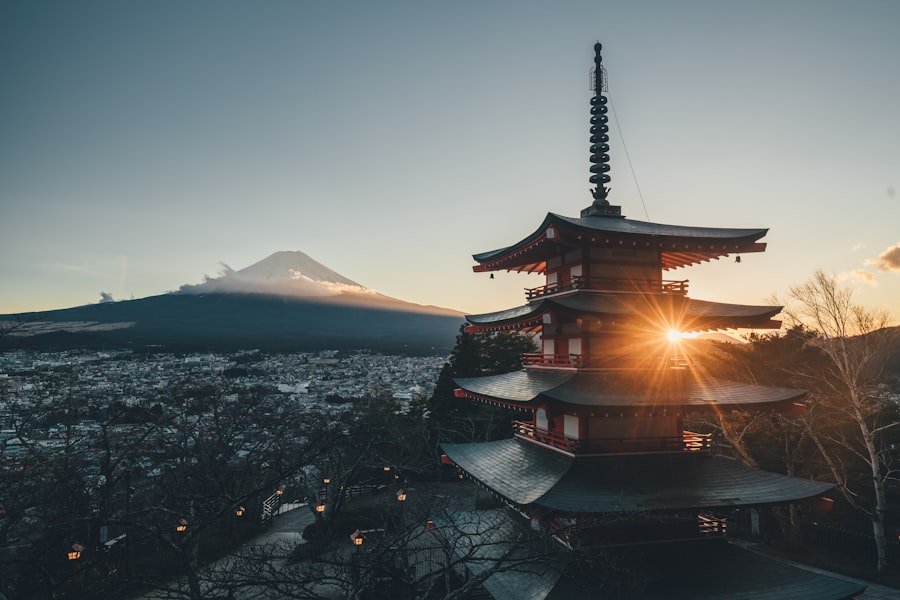
To initiate conversations in Japan, mastering basic greetings and introductions is vital. The most common greeting is “Konnichiwa,” which means “hello” and can be used throughout the day. When meeting someone for the first time, it is customary to bow slightly as a sign of respect.
Following this, you can introduce yourself by saying, “Watashi wa [your name] desu,” which translates to “I am [your name].” This simple introduction sets the stage for further conversation and demonstrates your willingness to engage. In addition to verbal greetings, non-verbal communication is equally important in Japan. A warm smile and maintaining eye contact can convey friendliness and sincerity.
It is also essential to be mindful of personal space; while some cultures may embrace physical closeness during conversations, the Japanese typically prefer a more reserved approach. By combining verbal and non-verbal cues, you can create a welcoming environment that encourages others to respond positively.
Polite Phrases for Engaging in Small Talk
Politeness is a cornerstone of Japanese communication, and using appropriate phrases can significantly enhance your small talk skills. Expressions such as “Ogenki desu ka?” meaning “How are you?” show genuine interest in the other person’s well-being. Additionally, phrases like “Sukoshi shitsurei shimasu” (Excuse me for a moment) or “Arigatou gozaimasu” (Thank you very much) can help you navigate conversations with grace and respect.
When engaging in small talk, it is also helpful to use phrases that acknowledge shared experiences or observations. For instance, commenting on the beauty of cherry blossoms during spring or discussing local festivals can create common ground and spark further dialogue. By incorporating polite phrases into your conversations, you demonstrate cultural awareness and foster a sense of camaraderie with those around you.
Expressing Interest and Asking Questions in Japanese
Expressing genuine interest in others is key to building friendships in Japan. Asking open-ended questions encourages deeper conversations and shows that you value the other person’s thoughts and experiences. Phrases like “Anata no shumi wa nan desu ka?” (What are your hobbies?) or “Doko ni ikitai desu ka?” (Where would you like to go?) invite others to share more about themselves.
It is essential to listen actively when engaging in conversations. Nodding in agreement or using phrases like “Sō desu ne” (I see) demonstrates that you are engaged and interested in what the other person has to say. This active listening not only fosters a positive atmosphere but also encourages your conversation partner to open up further, paving the way for a more meaningful connection.
Navigating Cultural Differences in Conversations

Cultural differences can sometimes lead to misunderstandings during conversations in Japan. For instance, while directness may be appreciated in some cultures, the Japanese often prefer a more indirect approach when expressing opinions or feelings. It is essential to be attuned to non-verbal cues and subtle hints that may indicate discomfort or disagreement.
Additionally, topics that may be considered acceptable in other cultures might be sensitive in Japan. For example, discussions about politics or personal finances are often avoided in casual conversations. Being aware of these cultural nuances will help you navigate conversations more effectively and avoid potential pitfalls that could hinder your efforts to make friends.
Using Japanese Idioms and Proverbs in Small Talk
Incorporating Japanese idioms and proverbs into your small talk can add depth and richness to your conversations. These expressions often carry cultural significance and can serve as conversation starters or ways to express complex ideas succinctly. For example, the idiom “I no naka no kawazu taikai o shirazu” translates to “A frog in a well does not know the ocean,” which conveys the idea of limited perspective.
Using idioms appropriately demonstrates your understanding of the language and culture, making your interactions more engaging. However, it is crucial to ensure that you use these expressions correctly; misusing an idiom could lead to confusion or misunderstandings. By familiarising yourself with common idioms and their meanings, you can enhance your conversational skills and leave a lasting impression on your new friends.
Tips for Building Rapport and Establishing Connections
Building rapport in Japan requires patience and genuine effort. One effective way to establish connections is by finding common interests or experiences with others. Whether it’s a shared love for Japanese cuisine or an appreciation for traditional arts, discovering mutual passions can create a strong bond between individuals.
Additionally, participating in group activities or community events can provide opportunities for socialising and meeting new people. Joining clubs or classes related to your interests not only allows you to engage with like-minded individuals but also helps you immerse yourself in Japanese culture. By being proactive in seeking out social opportunities, you increase your chances of forming meaningful friendships.
Overcoming Language Barriers in Making Friends in Japan
Language barriers can pose challenges when trying to make friends in Japan; however, they are not insurmountable. Many Japanese people appreciate the effort foreigners make to learn their language, even if it is just a few basic phrases. Embracing this challenge with enthusiasm can lead to positive interactions and open doors for friendship.
Utilising language learning resources such as language exchange meetups or online platforms can also facilitate connections with locals who are eager to practice their English skills while helping you improve your Japanese. These exchanges create a mutually beneficial environment where both parties can learn from one another while fostering friendship.
Common Mistakes to Avoid in Small Talk in Japan
While engaging in small talk is essential for building friendships, there are common mistakes that newcomers should avoid. One significant error is being overly assertive or aggressive during conversations; this can be perceived as rude or disrespectful. Instead, adopting a more reserved approach will help you navigate social situations more smoothly.
Another mistake is failing to recognise non-verbal cues that indicate discomfort or disinterest from your conversation partner. It is crucial to pay attention to body language and adjust your approach accordingly. By being mindful of these potential pitfalls, you can enhance your conversational skills and create a more positive experience for both yourself and those you interact with.
Practicing and Improving Japanese Small Talk Skills
To become proficient at small talk in Japanese, consistent practice is key. Engaging with native speakers through language exchange programs or conversation clubs provides invaluable opportunities for honing your skills. These interactions allow you to apply what you’ve learned in real-life situations while receiving feedback from experienced speakers.
Additionally, enrolling in Japanese courses at institutions like the NLS Norwegian Language School in Oslo can significantly enhance your language abilities. The school offers tailored programmes that focus on conversational skills, cultural understanding, and practical language use—essential components for making friends in Japan. By immersing yourself in structured learning environments alongside fellow students who share similar goals, you will gain confidence and competence in navigating social interactions.
In conclusion, making friends in Japan involves understanding cultural nuances, mastering basic language skills, and engaging genuinely with others. By embracing small talk as an essential tool for building connections, expressing interest through questions, and being mindful of cultural differences, you can foster meaningful relationships that enrich your experience in this beautiful country. With dedication and practice—whether through informal interactions or structured courses at institutions like NLS—you will find that making friends in Japan becomes an enjoyable journey filled with discovery and connection.
Your Japanese journey starts in Oslo. Join our classes at NLS and sign up today!




