


In Korean culture, the expression of feelings is not merely a personal affair; it is deeply intertwined with social dynamics and relationships. The ability to articulate emotions is seen as a reflection of one’s character and upbringing. Koreans often place a high value on emotional intelligence, which encompasses not only the ability to understand one’s own feelings but also the capacity to empathise with others.
This cultural emphasis on emotional expression fosters a sense of community and belonging, as individuals are encouraged to share their feelings in a manner that strengthens interpersonal bonds. Moreover, expressing feelings in Korean culture can serve as a means of maintaining harmony within relationships. The concept of “jeong,” which refers to a deep emotional connection between people, is central to understanding how emotions are conveyed.
When individuals express their feelings, they contribute to the nurturing of “jeong,” thereby reinforcing social ties. This cultural backdrop makes it essential for learners of the Korean language to grasp the nuances of emotional expression, as it can significantly impact their interactions and relationships within Korean society. Learn Korean in Oslo! NLS Norwegian Language School is now offering classes. Register today.
Summary
- Expressing feelings is highly valued in Korean culture, as it fosters deeper connections and understanding among individuals.
- Learning basic vocabulary for expressing emotions in Korean is essential for effective communication and building relationships.
- Practising using both polite and informal language when expressing feelings is important, as it reflects the level of respect and closeness in a relationship.
- Exploring different ways to convey emotions through tone and body language can enhance the sincerity and impact of your expressions.
- Understanding the cultural nuances of expressing feelings in Korean is crucial for avoiding misunderstandings and showing sensitivity to cultural norms.
Learning the basic vocabulary for expressing emotions in Korean
To effectively express feelings in Korean, one must first familiarise themselves with the basic vocabulary associated with emotions. The Korean language offers a rich lexicon for articulating various sentiments, ranging from joy and sadness to anger and love. For instance, words like “행복하다” (haengbokhada) meaning “to be happy,” and “슬프다” (seulpeuda) meaning “to be sad,” are fundamental in conveying one’s emotional state.
Additionally, understanding adjectives that describe feelings can enhance one’s ability to communicate more nuanced emotions. Furthermore, it is beneficial to learn phrases that encapsulate common emotional expressions. For example, “기분이 어때요?” (gibuni eottaeyo?) translates to “How do you feel?” This question not only invites dialogue but also demonstrates an interest in the other person’s emotional state.
By mastering this vocabulary, learners can begin to engage in meaningful conversations about feelings, paving the way for deeper connections with native speakers.
Practising using polite and informal language when expressing feelings

In Korean, the distinction between polite and informal language is crucial, especially when discussing emotions. The level of formality can significantly affect how one’s feelings are perceived by others. For instance, when speaking to someone older or in a position of authority, using polite forms is essential to convey respect.
Phrases like “저는 슬퍼요” (jeoneun seulpeoyo) meaning “I am sad” can be used in formal contexts, while “나 슬퍼” (na seulpeo) serves as an informal alternative among friends. Practising these different forms of expression allows learners to navigate various social situations with ease. It is important to recognise that using the appropriate level of politeness not only reflects linguistic competence but also cultural sensitivity.
Engaging in role-playing exercises or conversational practice with peers can help reinforce these distinctions, enabling learners to express their feelings authentically while respecting social hierarchies.
Exploring different ways to convey emotions through tone and body language
In addition to verbal communication, tone and body language play a significant role in expressing emotions in Korean culture. The way one speaks—such as intonation, volume, and pace—can convey a wealth of information about their emotional state. For example, a soft tone may indicate sadness or vulnerability, while a more animated tone might express excitement or joy.
Being attuned to these vocal nuances can enhance one’s ability to communicate effectively. Body language is equally important in conveying emotions. Gestures, facial expressions, and posture can all provide context to spoken words.
In Korean culture, maintaining eye contact is often seen as a sign of sincerity and engagement, while crossed arms may suggest defensiveness or discomfort. By being mindful of both verbal and non-verbal cues, learners can develop a more holistic approach to expressing their feelings, ensuring that their message is received as intended.
Understanding the cultural nuances of expressing feelings in Korean
Korean culture is rich with subtleties that influence how emotions are expressed and interpreted. For instance, there is often an emphasis on indirect communication; rather than stating feelings outright, individuals may hint at their emotions through context or implication. This indirectness can be particularly pronounced in situations where expressing negative emotions might disrupt harmony or cause discomfort.
Additionally, understanding the concept of “nunchi,” which refers to the ability to gauge others’ feelings and respond appropriately, is vital for effective emotional expression in Korea. Nunchi involves being observant and sensitive to social cues, allowing individuals to navigate complex emotional landscapes with grace. By cultivating nunchi, learners can enhance their emotional intelligence and improve their interactions within Korean society.
Using Korean proverbs and idioms to express emotions more effectively
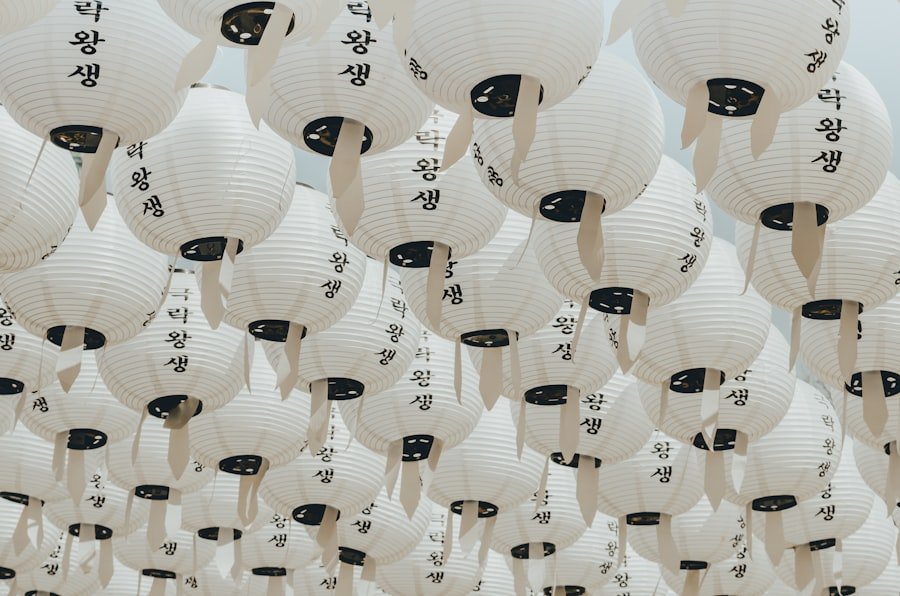
Korean proverbs and idioms offer a unique avenue for expressing emotions in a culturally resonant manner. These expressions often encapsulate complex feelings or situations in a succinct and impactful way. For example, the proverb “눈에 넣어도 아프지 않다” (nune neoeodo apeuji anhda), which translates to “Even if you put it in your eye, it won’t hurt,” conveys deep affection for someone or something cherished.
Incorporating such idioms into conversations not only enriches one’s vocabulary but also demonstrates cultural awareness and appreciation. By using proverbs that resonate with specific emotional experiences, learners can communicate their feelings more effectively while also engaging their listeners on a deeper level.
Seeking out opportunities to engage in conversations about feelings in Korean
To truly master the art of expressing feelings in Korean, it is essential to seek out opportunities for conversation practice. Engaging with native speakers through language exchange programmes or conversation clubs can provide invaluable experience in discussing emotions. These interactions allow learners to apply their vocabulary and understanding of cultural nuances in real-life contexts.
Additionally, participating in group discussions or workshops focused on emotional expression can further enhance one’s skills. Such environments encourage open dialogue about feelings and provide a supportive space for learners to practise articulating their emotions without fear of judgement. By actively seeking these opportunities, individuals can build confidence in their ability to express themselves in Korean.
Understanding the role of hierarchy and respect when expressing emotions in Korean
Hierarchy plays a significant role in Korean society, influencing how emotions are expressed across different relationships. The concept of “respect” is paramount; thus, understanding one’s position relative to others is crucial when discussing feelings. For instance, when speaking with elders or superiors, it is important to adopt a respectful tone and use appropriate language forms.
This hierarchical structure can sometimes complicate emotional expression, as individuals may feel constrained by societal expectations. However, recognising these dynamics allows learners to navigate conversations about feelings more effectively. By being aware of the power dynamics at play, individuals can tailor their emotional expressions accordingly while still remaining authentic.
Using storytelling and personal anecdotes to express emotions in Korean
Storytelling is a powerful tool for conveying emotions in any language, and Korean is no exception. Sharing personal anecdotes allows individuals to illustrate their feelings in a relatable manner while also engaging listeners on an emotional level. By weaving narratives that highlight specific experiences or challenges, learners can create connections that transcend mere words.
Moreover, storytelling provides an opportunity to practise using varied vocabulary and expressions related to emotions. By recounting experiences that evoke strong feelings—be it joy from a memorable event or sadness from a loss—individuals can enhance their fluency while simultaneously deepening their understanding of emotional expression within the cultural context.
Overcoming the fear of vulnerability when expressing feelings in Korean
Expressing emotions often requires a degree of vulnerability, which can be daunting for many individuals. In Korean culture, where maintaining face and composure is valued, this fear may be amplified. However, overcoming this apprehension is essential for authentic communication and building meaningful relationships.
One effective strategy for addressing this fear is to start small—beginning with less intense emotions before gradually progressing to deeper sentiments. Practising with trusted friends or language partners can create a safe space for exploration without the pressure of judgement. As individuals become more comfortable sharing their feelings in Korean, they will likely find that vulnerability fosters connection rather than diminishes it.
Seeking feedback and guidance from native Korean speakers to improve your expression of feelings
Finally, seeking feedback from native speakers is invaluable for refining one’s ability to express emotions in Korean. Engaging with individuals who are fluent in the language allows learners to gain insights into cultural nuances and linguistic subtleties that may not be immediately apparent through self-study alone. Constructive feedback can help identify areas for improvement while also reinforcing effective communication strategies.
Whether through informal conversations or structured language lessons, this guidance can significantly enhance one’s confidence and proficiency in expressing feelings authentically. As part of this journey towards mastering emotional expression in Korean, consider enrolling in specialised courses at institutions like the NLS Norwegian Language School in Oslo. Their comprehensive curriculum includes tailored modules focusing on conversational skills and cultural nuances that are essential for effective communication.
With dedicated instructors and immersive learning experiences, NLS provides an excellent platform for those eager to delve deeper into the intricacies of expressing feelings in Korean culture. By participating in these courses, learners will not only expand their vocabulary but also gain practical skills that will enrich their interactions within the Korean-speaking community.




