


‘Nunchi’ is a fascinating and intricate concept deeply embedded in Korean culture. It can be loosely translated as “eye measure,” referring to the ability to gauge the emotions and intentions of others through subtle cues and non-verbal communication. This skill is not merely about observation; it encompasses an intuitive understanding of social dynamics, allowing individuals to navigate complex interpersonal situations with grace and sensitivity.
In essence, ‘Nunchi’ is about being attuned to the feelings and needs of those around you, often before they are explicitly expressed. The roots of ‘Nunchi’ can be traced back to traditional Korean values that emphasise harmony and community. In a society where collective well-being often takes precedence over individual desires, possessing a keen sense of ‘Nunchi’ is essential for maintaining social cohesion.
It enables individuals to respond appropriately to the emotional climate of a gathering, ensuring that interactions are smooth and respectful. As such, ‘Nunchi’ is not just a skill but a vital aspect of social intelligence that fosters empathy and understanding in various contexts. Learn Korean in Oslo! NLS Norwegian Language School is now offering classes. Register today.
Summary
- ‘Nunchi’ is the Korean concept of reading the room and understanding unspoken cues and emotions.
- In Korean culture, ‘Nunchi’ is highly valued as it promotes harmony and social cohesion.
- Common phrases related to ‘Nunchi’ include “눈치를 보다” (nunchireul boda) which means to read the atmosphere, and “눈치책” (nunchichaek) which refers to someone who is good at reading the room.
- To use ‘Nunchi’ in social situations, observe body language, tone of voice, and subtle cues to understand the mood and respond appropriately.
- Developing ‘Nunchi’ skills involves practising active listening, empathy, and being mindful of others’ feelings.
The importance of ‘Nunchi’ in Korean culture
In Korean culture, ‘Nunchi’ holds significant importance as it reflects the values of respect, consideration, and harmony. The ability to read the room and understand unspoken sentiments is seen as a mark of maturity and wisdom. This cultural emphasis on ‘Nunchi’ shapes social interactions from a young age, as children are taught to observe and respond to the feelings of others.
In many ways, it serves as a social lubricant, smoothing over potential conflicts and fostering a sense of belonging within groups. Moreover, ‘Nunchi’ plays a crucial role in maintaining relationships, both personal and professional. In a society where hierarchy and respect for elders are paramount, being able to discern the emotional state of others can prevent misunderstandings and promote cooperation.
The practice of ‘Nunchi’ encourages individuals to prioritise the collective over the individual, reinforcing the idea that one’s actions should contribute positively to the group dynamic. This cultural trait not only enhances interpersonal relationships but also strengthens community bonds.
Common phrases and expressions related to ‘Nunchi’

Several phrases and expressions in Korean encapsulate the essence of ‘Nunchi.’ One such expression is “nunchi ga da,” which translates to “to have good nunchi.” This phrase is often used to compliment someone who demonstrates an exceptional ability to read social cues and respond appropriately. It highlights the value placed on this skill within Korean society, where being attuned to others is seen as a virtue. Another common phrase is “nunchi-reul daeda,” meaning “to lose one’s nunchi.” This expression conveys the idea of being oblivious to the feelings or needs of those around you, often leading to awkward or uncomfortable situations.
Such phrases serve as reminders of the importance of ‘Nunchi’ in everyday interactions, reinforcing the notion that being aware of others’ emotions is essential for maintaining harmony in relationships.
How to use ‘Nunchi’ in social situations
Utilising ‘Nunchi’ effectively in social situations requires a combination of observation, intuition, and empathy. To begin with, one must pay close attention to non-verbal cues such as body language, facial expressions, and tone of voice. These subtle signals often convey more than words alone can express.
For instance, if someone appears withdrawn or hesitant during a conversation, it may indicate discomfort or disagreement, prompting a more sensitive approach. Additionally, active listening plays a crucial role in honing one’s ‘Nunchi.’ By genuinely engaging with others and showing interest in their thoughts and feelings, individuals can develop a deeper understanding of their emotional landscape. This not only enhances communication but also fosters trust and rapport.
In social gatherings, being mindful of the dynamics at play—such as group energy or individual moods—can help one navigate conversations more effectively, ensuring that everyone feels valued and included.
Developing your own ‘Nunchi’ skills
Developing one’s ‘Nunchi’ skills is an ongoing process that requires practice and self-awareness. One effective way to enhance this ability is through mindfulness exercises that encourage individuals to focus on their surroundings and the people within them. By cultivating an awareness of one’s own emotions and reactions, individuals can better attune themselves to the feelings of others.
This heightened sensitivity can lead to improved interpersonal interactions and a greater capacity for empathy. Another approach is to engage in diverse social settings where one can observe different communication styles and cultural norms. By interacting with people from various backgrounds, individuals can expand their understanding of non-verbal cues and emotional expressions.
This exposure not only enriches one’s own ‘Nunchi’ but also fosters cross-cultural understanding, allowing for more meaningful connections with others.
The role of ‘Nunchi’ in communication
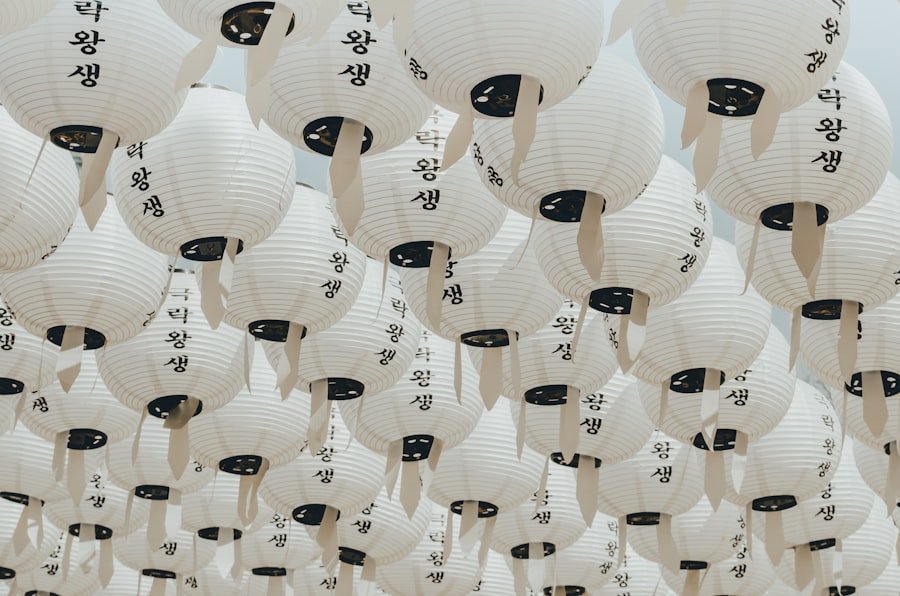
‘Nunchi’ plays a pivotal role in communication by bridging the gap between verbal and non-verbal exchanges. While words are essential for conveying information, it is often the unspoken elements that truly shape interactions. A well-timed smile or a reassuring nod can convey support and understanding far more effectively than words alone.
In this sense, ‘Nunchi’ enhances communication by adding depth and nuance to conversations. Furthermore, effective use of ‘Nunchi’ can help prevent misunderstandings that may arise from cultural differences in communication styles. For instance, in some cultures, directness is valued, while in others, indirect communication is preferred.
By being attuned to these differences through ‘Nunchi,’ individuals can navigate conversations with greater sensitivity and avoid potential pitfalls that may lead to conflict or discomfort.
‘Nunchi’ in the workplace
In the workplace, ‘Nunchi’ is an invaluable asset that can significantly enhance team dynamics and productivity. Employees who possess strong ‘Nunchi’ skills are often better equipped to navigate office politics, build rapport with colleagues, and foster a positive work environment. By being aware of the emotional climate within a team, individuals can adapt their communication styles accordingly, ensuring that everyone feels heard and valued.
Moreover, leaders who demonstrate ‘Nunchi’ are more likely to inspire trust and loyalty among their team members. By recognising when employees may be struggling or feeling overwhelmed, leaders can offer support or encouragement at critical moments. This not only boosts morale but also cultivates a culture of open communication where team members feel comfortable sharing their thoughts and concerns.
Using ‘Nunchi’ to navigate relationships
In personal relationships, ‘Nunchi’ serves as a vital tool for fostering intimacy and understanding between partners. Being attuned to each other’s emotional states allows couples to communicate more effectively and address issues before they escalate into conflicts. For instance, if one partner senses that the other is feeling stressed or anxious, they can offer support or reassurance without waiting for explicit requests for help.
Additionally, ‘Nunchi’ can enhance romantic relationships by promoting empathy and compassion. Couples who practice ‘Nunchi’ are more likely to appreciate each other’s perspectives and respond thoughtfully to each other’s needs. This mutual understanding creates a strong foundation for lasting connections built on trust and respect.
Avoiding cultural misunderstandings with ‘Nunchi’
In an increasingly globalised world, cultural misunderstandings are common due to differing communication styles and social norms. However, possessing strong ‘Nunchi’ skills can help individuals navigate these complexities with ease. By being observant and sensitive to cultural differences in emotional expression, individuals can avoid misinterpretations that may lead to awkward situations or conflict.
For example, in some cultures, maintaining eye contact is seen as a sign of confidence and engagement, while in others it may be perceived as confrontational or disrespectful. By employing ‘Nunchi,’ individuals can adapt their behaviour based on the cultural context they find themselves in, fostering smoother interactions and building rapport across diverse backgrounds.
Incorporating ‘Nunchi’ into everyday life
Incorporating ‘Nunchi’ into everyday life involves cultivating mindfulness and awareness in all interactions. Simple practices such as pausing before responding in conversations or taking note of others’ body language can significantly enhance one’s ability to read social cues. Additionally, engaging in regular self-reflection allows individuals to assess their own emotional responses and how they may impact those around them.
Moreover, making a conscious effort to connect with others on an emotional level can enrich daily interactions. Whether it’s through small gestures of kindness or taking time to listen actively during conversations, these practices reinforce the importance of empathy and understanding in fostering meaningful relationships.
The future of ‘Nunchi’ in a global context
As the world becomes increasingly interconnected, the relevance of ‘Nunchi’ extends beyond Korean culture into a global context. The ability to understand and navigate emotions across diverse cultures will become increasingly valuable in international relations, business dealings, and personal interactions alike. As people from different backgrounds come together, those who possess strong ‘Nunchi’ skills will be better equipped to foster collaboration and mutual respect.
Furthermore, as societies continue to evolve with technology shaping communication methods, the essence of ‘Nunchi’ remains timeless. While digital interactions may lack some non-verbal cues present in face-to-face communication, cultivating emotional intelligence through ‘Nunchi’ will remain essential for building authentic connections in an ever-changing world. In conclusion, embracing the concept of ‘Nunchi’ offers profound insights into human interaction that transcend cultural boundaries.
For those interested in exploring this rich aspect of Korean culture further, consider enrolling in Korean courses at the NLS Norwegian Language School in Oslo. These courses not only provide language skills but also delve into cultural nuances like ‘Nunchi,’ equipping learners with valuable tools for effective communication in both personal and professional contexts.




