

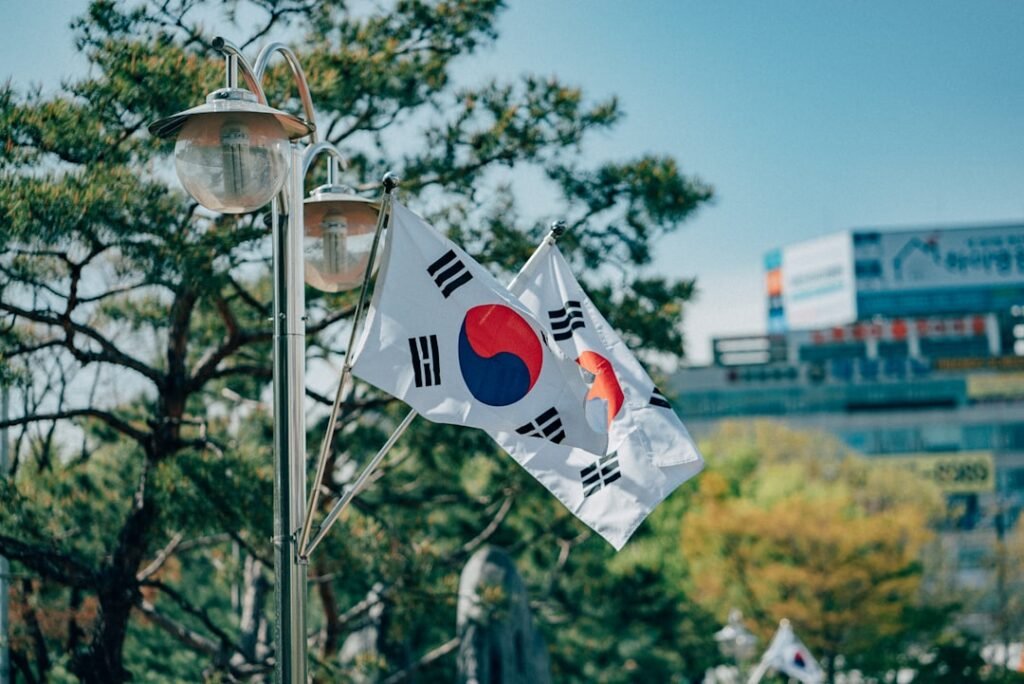
Korean proverbs and sayings, known as “sijo” or “gyeongseong,” are an integral part of the rich tapestry of Korean culture. These succinct expressions encapsulate wisdom, moral lessons, and cultural values that have been passed down through generations. They serve not only as a means of communication but also as a reflection of the collective experiences and philosophies of the Korean people.
The beauty of these proverbs lies in their ability to convey profound truths in a few carefully chosen words, making them memorable and impactful. As one delves into the world of Korean proverbs, it becomes evident that they are more than mere phrases; they are vessels of cultural identity. Each saying carries with it a story, a lesson, or a piece of advice that resonates with the everyday lives of Koreans.
Understanding these proverbs offers a unique window into the Korean mindset, revealing how history, tradition, and social norms shape the way people think and interact. In this exploration, we will uncover the significance, origins, and applications of these timeless expressions. Learn Korean in Oslo! NLS Norwegian Language School is now offering classes. Register today.
Summary
- Korean proverbs and sayings are an integral part of Korean culture, reflecting the values and beliefs of the society.
- Korean proverbs have deep cultural significance, offering insights into the Korean way of life and traditional wisdom.
- The origins of Korean proverbs and sayings can be traced back to historical events, folklore, and Confucian teachings.
- Common Korean proverbs carry meaningful messages, often related to hard work, perseverance, and respect for elders.
- Korean proverbs reflect the values of filial piety, respect for authority, and the importance of harmony in society.
The Cultural Significance of Korean Proverbs
Korean proverbs hold immense cultural significance, acting as a bridge between the past and present. They encapsulate the wisdom of ancestors and serve as guiding principles for contemporary life. In a society that values respect for elders and communal harmony, proverbs often reflect collective wisdom rather than individual opinions.
This communal aspect fosters a sense of belonging and continuity, reinforcing the idea that one is part of a larger narrative. Moreover, these sayings often address universal themes such as love, perseverance, and morality, making them relatable not only to Koreans but to people from diverse backgrounds. The use of proverbs in daily conversations can enhance interpersonal relationships by providing common ground for understanding and empathy.
In essence, Korean proverbs are not just linguistic artefacts; they are living expressions of cultural heritage that continue to shape social interactions and moral frameworks.
The Origins of Korean Proverbs and Sayings
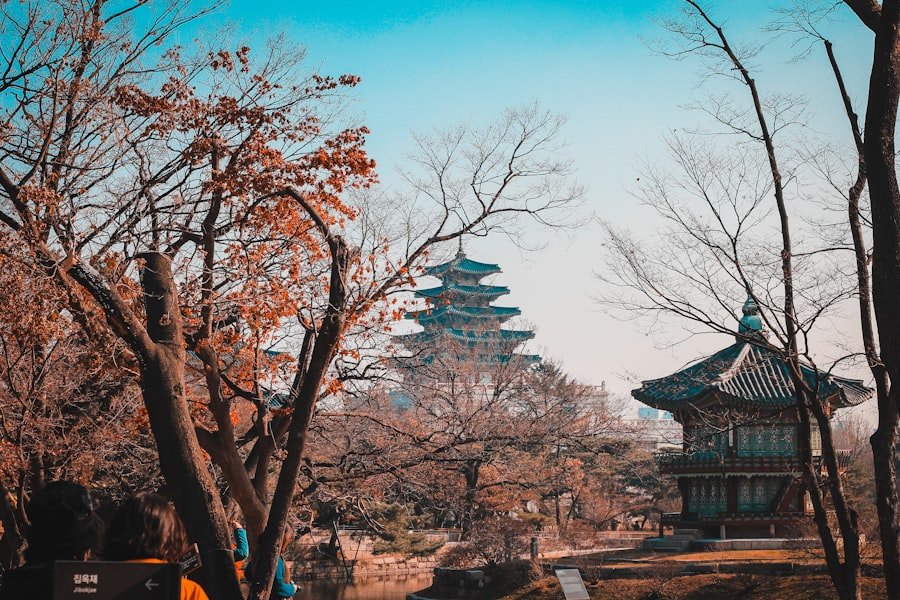
The origins of Korean proverbs can be traced back to ancient times when oral traditions were prevalent. Many proverbs emerged from the experiences of farmers, artisans, and common folk who sought to articulate their observations about life and nature. As Korea transitioned through various historical periods—such as the Three Kingdoms, Goryeo, and Joseon dynasties—these sayings evolved, reflecting the changing socio-political landscape.
Additionally, Confucianism has played a significant role in shaping Korean proverbs. The teachings of Confucius emphasised moral integrity, filial piety, and social harmony, all of which are echoed in many proverbs. This philosophical influence has imbued Korean sayings with layers of meaning that often extend beyond their literal interpretations.
As such, understanding the historical context in which these proverbs were created enriches our appreciation for their depth and relevance.
Common Korean Proverbs and Their Meanings
Among the myriad of Korean proverbs, several stand out for their poignant messages and widespread usage. One such proverb is “고생 끝에 낙이 온다” (gosaeng kkeute nagi onda), which translates to “After hardship comes happiness.” This saying encapsulates the belief that perseverance through difficult times ultimately leads to reward and joy. It serves as a source of motivation for many Koreans facing challenges in their personal or professional lives.
Another notable proverb is “백문이 불여일견” (baegmuni bulyeoilgyeon), meaning “Hearing something a hundred times is not as good as seeing it once.” This saying underscores the importance of direct experience over second-hand knowledge. It encourages individuals to seek firsthand understanding rather than relying solely on hearsay. Such proverbs not only convey wisdom but also inspire action and critical thinking among those who embrace them.
How Korean Proverbs Reflect Korean Values and Beliefs
Korean proverbs are deeply intertwined with the values and beliefs that characterise Korean society. For instance, many proverbs emphasise the importance of family ties and respect for elders, reflecting the Confucian ideals that permeate Korean culture. Proverbs like “효도는 백년의 복” (hyodoneun baegnyeonui bok), meaning “Filial piety is a hundred years of blessing,” highlight the reverence for familial relationships and the belief that honouring one’s parents brings prosperity.
Additionally, themes of resilience and hard work are prevalent in Korean proverbs. The saying “하늘이 무너져도 솟아날 구멍이 있다” (haneuli muneojyeodo sosanal gumeongi itda), which translates to “Even if the sky falls, there is a hole to escape,” reflects an optimistic outlook on adversity. This belief in finding solutions amidst challenges is a testament to the Korean spirit of perseverance and adaptability.
The Use of Korean Proverbs in Everyday Language

In everyday conversations, Koreans frequently employ proverbs to convey their thoughts succinctly and effectively. These sayings often serve as conversational tools that add depth to discussions or provide comfort during difficult times. For instance, when offering encouragement to a friend facing challenges, one might say “고생 끝에 낙이 온다,” reminding them that their struggles will eventually lead to better days.
Moreover, proverbs can also be used humorously or ironically in casual settings. A well-timed proverb can lighten the mood or provide a clever twist to a conversation. This versatility makes proverbs an essential part of colloquial language, enriching interactions with cultural nuances that resonate with shared experiences.
How to Use Korean Proverbs in Conversations
Incorporating Korean proverbs into conversations requires an understanding of their meanings and appropriate contexts. To use them effectively, one must consider the situation at hand and choose a proverb that aligns with the message they wish to convey. For example, during discussions about perseverance in the workplace, referencing “고생 끝에 낙이 온다” can serve as an encouraging reminder for colleagues facing challenges.
Additionally, using proverbs can enhance one’s language skills by demonstrating cultural fluency. When speaking with native Koreans or those familiar with the language, employing proverbs can foster deeper connections and show respect for their cultural heritage. However, it is essential to ensure that the proverb fits naturally within the conversation to avoid sounding forced or contrived.
Learning Korean Proverbs for Language Fluency
For language learners seeking fluency in Korean, mastering proverbs is an invaluable endeavour. Not only do they enrich vocabulary, but they also provide insights into cultural nuances that textbooks may overlook. Engaging with proverbs can enhance listening comprehension and speaking skills by exposing learners to authentic expressions used by native speakers.
To effectively learn Korean proverbs, one can start by compiling a list of commonly used sayings along with their meanings and contexts. Practising these proverbs in conversations or writing exercises can reinforce understanding and retention. Additionally, exploring resources such as literature, films, or songs that incorporate proverbs can further deepen one’s appreciation for their significance in Korean culture.
Understanding the Context of Korean Proverbs
Understanding the context in which Korean proverbs are used is crucial for grasping their full meaning. Many proverbs are tied to specific cultural practices or historical events that may not be immediately apparent to outsiders. For instance, some sayings may reference traditional agricultural practices or historical figures whose stories have shaped societal values.
To fully appreciate these proverbs, learners should explore their historical backgrounds and cultural significance. Engaging with native speakers or cultural experts can provide valuable insights into how certain proverbs are perceived within contemporary society. This contextual understanding enriches one’s ability to use proverbs appropriately and enhances overall language proficiency.
The Influence of Korean Proverbs in Literature and Media
Korean proverbs have left an indelible mark on literature and media throughout history. Many authors incorporate these sayings into their works to convey themes or moral lessons succinctly. Classic literature often features proverbs as narrative devices that encapsulate complex ideas within simple phrases.
In modern media, such as films and television dramas, proverbs continue to play a significant role in character development and plot progression. They serve as tools for conveying wisdom or guiding characters through moral dilemmas. This enduring presence in various forms of storytelling highlights the timeless relevance of Korean proverbs in shaping narratives that resonate with audiences.
Embracing Korean Proverbs for Cultural Understanding
In conclusion, embracing Korean proverbs offers a profound opportunity for cultural understanding and connection. These succinct expressions encapsulate the wisdom, values, and beliefs that define Korean society while providing insights into its rich history. By learning and using these proverbs, individuals can enhance their language skills while fostering deeper relationships with native speakers.
At NLS Norwegian Language School in Oslo, students have the unique opportunity to explore not only the intricacies of the Korean language but also its cultural nuances through courses specifically designed to delve into such aspects as proverbs and sayings. Engaging with these elements enriches the learning experience and fosters a greater appreciation for Korea’s vibrant culture. As learners embrace these timeless expressions, they embark on a journey towards greater fluency and cultural empathy—an invaluable asset in our increasingly interconnected world.




