

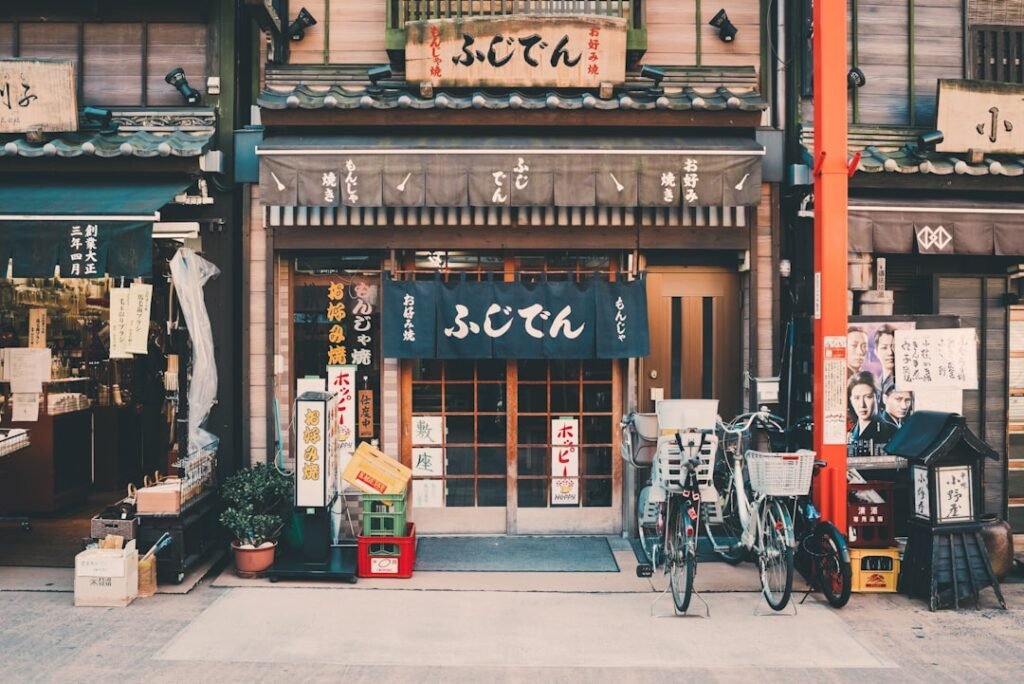
In Japan, greetings are an essential part of daily interactions, reflecting the culture’s deep-rooted respect and politeness. A simple “Konnichiwa” (こんにちは) serves as a warm greeting during the day, while “Ohayou gozaimasu” (おはようございます) is used in the morning to convey a sense of cordiality. The Japanese language places great emphasis on politeness, and this is evident in the various levels of formality that can be expressed through greetings.
For instance, when addressing someone of higher status or age, one might opt for a more formal greeting, such as “Hajimemashite” (はじめまして), which means “Nice to meet you.” Moreover, bowing is an integral part of Japanese etiquette, often accompanying verbal greetings. The depth and duration of the bow can vary depending on the context and the relationship between the individuals involved. A slight bow is typically sufficient for casual encounters, while a deeper bow may be warranted in more formal situations.
Understanding these nuances not only enriches your experience in Japan but also demonstrates a level of cultural awareness that is highly appreciated by locals. Unlock the rich world of Japanese culture, from anime to ancient traditions.
Summary
- When in Japan, it’s important to greet people with a polite “Konnichiwa” (good afternoon) or “Ohayou gozaimasu” (good morning).
- When asking for directions, it’s polite to say “Sumimasen” (excuse me) before asking for help.
- When ordering food and drinks, it’s customary to say “Onegaishimasu” (please) after placing your order.
- Express gratitude by saying “Arigatou gozaimasu” (thank you very much) or “Domo arigatou gozaimashita” (thank you very much, past tense).
- When making reservations, it’s polite to say “Yoyaku wo onegaishimasu” (I would like to make a reservation, please).
Asking for Directions
Navigating through Japan’s bustling cities can be a daunting task, especially for those unfamiliar with the language and layout. However, asking for directions is made easier with a few key phrases. A polite way to initiate a conversation is by saying “Sumimasen” (すみません), which translates to “Excuse me.” Following this, you can ask for directions by saying “Eki wa doko desu ka?” (駅はどこですか?), meaning “Where is the station?” This straightforward approach is often met with helpfulness, as many Japanese people are eager to assist visitors.
In addition to verbal communication, non-verbal cues can also play a significant role in navigating unfamiliar areas. Pointing at a map or using a translation app can bridge any language gaps. It is also common for locals to accompany you partway to your destination if they feel it necessary.
This willingness to help reflects the Japanese spirit of hospitality, known as “omotenashi,” which emphasises anticipating the needs of others and providing exceptional service.
Ordering Food and Drinks
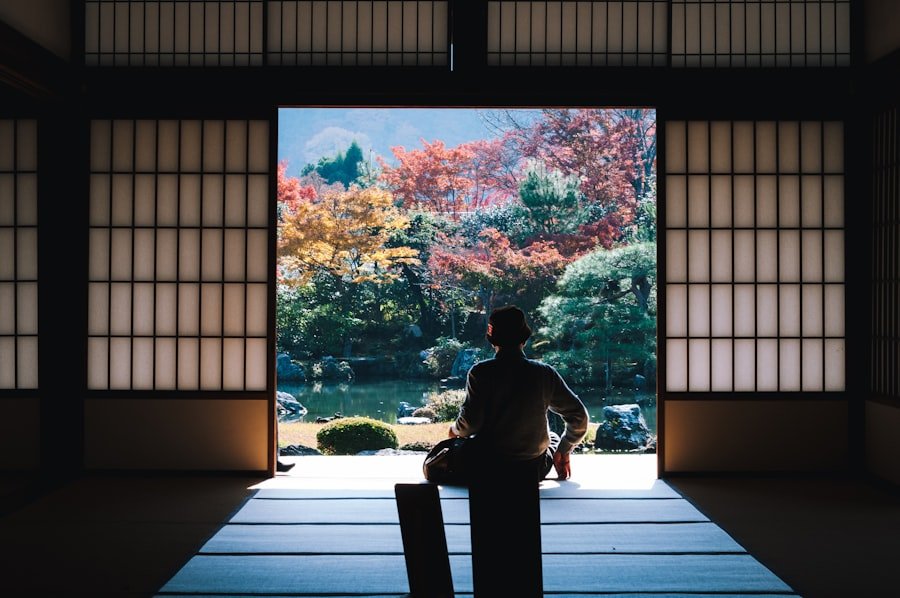
When it comes to dining in Japan, knowing how to order food and drinks can significantly enhance your culinary experience. Upon entering a restaurant, it is customary to greet the staff with “Irasshaimase” (いらっしゃいませ), which means “Welcome.” Once seated, you can peruse the menu and make your selections. If you need assistance, simply asking “Osusume wa nan desu ka?” (おすすめは何ですか?) translates to “What do you recommend?” This not only shows your interest in local cuisine but also opens up opportunities for delightful surprises.
When it comes time to place your order, you can use phrases like “Kore o kudasai” (これをください) meaning “I’ll have this,” while pointing at the item on the menu. Additionally, if you have dietary restrictions or preferences, it’s wise to communicate these clearly. For example, saying “Niku wa tabemasen” (肉は食べません) means “I do not eat meat.” Understanding these phrases will not only make ordering smoother but also allow you to engage more meaningfully with the culinary culture of Japan.
Expressing Gratitude
Expressing gratitude is a fundamental aspect of Japanese culture, and knowing how to do so appropriately can leave a lasting impression. The phrase “Arigatou gozaimasu” (ありがとうございます) is the standard way to say thank you in a polite manner. It is often accompanied by a slight bow as a sign of respect and appreciation.
In more casual settings, simply saying “Arigatou” (ありがとう) suffices among friends or peers. In addition to verbal expressions of gratitude, small gestures can also convey appreciation. For instance, when receiving a gift or service, it is customary to bow slightly and express your thanks sincerely.
This practice reinforces the importance of gratitude in Japanese society and fosters positive relationships. Whether you are thanking a shopkeeper for their assistance or expressing appreciation to a friend for their hospitality, mastering these expressions will undoubtedly enrich your interactions.
Making Reservations
Making reservations in Japan can be an essential part of planning your visit, especially when dining at popular restaurants or booking accommodations. To make a reservation over the phone or in person, you can start with “Yoyaku o onegaishimasu” (予約をお願いします), which means “I would like to make a reservation.” It’s helpful to specify the date and time you wish to reserve, as well as the number of people in your party. If you are making reservations at a restaurant known for its traditional kaiseki cuisine or an onsen ryokan (hot spring inn), it’s advisable to mention any dietary restrictions or special requests at this stage.
The staff will appreciate your consideration and will do their best to accommodate your needs. Additionally, confirming your reservation closer to the date can help avoid any misunderstandings and ensure a smooth experience.
Discussing Onsen Etiquette
Visiting an onsen (hot spring) is one of Japan’s most cherished experiences, but it comes with its own set of etiquette rules that visitors should be aware of. Before entering the onsen area, it is customary to wash your body thoroughly at the provided shower stations. This practice not only maintains cleanliness but also shows respect for other bathers.
You might say “Kirei ni shite kara hairimasu” (きれいにしてから入ります), meaning “I will wash before entering,” which reflects your understanding of onsen etiquette. Another important aspect of onsen etiquette is the prohibition of swimwear; bathers are expected to enter the hot springs nude. For those who may feel uncomfortable with this custom, many onsens offer private baths that provide a more intimate experience.
Additionally, it’s essential to keep towels out of the water; instead, they should be placed on your head or beside you while bathing. Familiarising yourself with these customs will not only enhance your enjoyment but also demonstrate respect for Japanese traditions.
Seeking Assistance in an Emergency
In any foreign country, knowing how to seek assistance during an emergency is crucial. In Japan, if you find yourself in need of help, it’s important to remain calm and approach someone who appears approachable. You can start by saying “Tasukete kudasai” (助けてください), which means “Please help me.” This phrase can be used in various situations, whether you’ve lost your way or require medical assistance.
For emergencies requiring immediate attention, dialling 110 will connect you with the police, while 119 is designated for fire and ambulance services. It’s advisable to memorise these numbers or keep them handy on your phone. Additionally, many public places have English-speaking staff who can assist you in emergencies.
Being prepared with these phrases and numbers will provide peace of mind during your travels in Japan.
Talking about the Weather
Discussing the weather is a common small talk topic that can help break the ice in social situations. In Japan, you might start by saying “Kyou no tenki wa dou desu ka?” (今日の天気はどうですか?), which translates to “How is today’s weather?” This simple question can lead to engaging conversations about seasonal changes or local weather patterns. Japan experiences distinct seasons, each bringing its own unique charm.
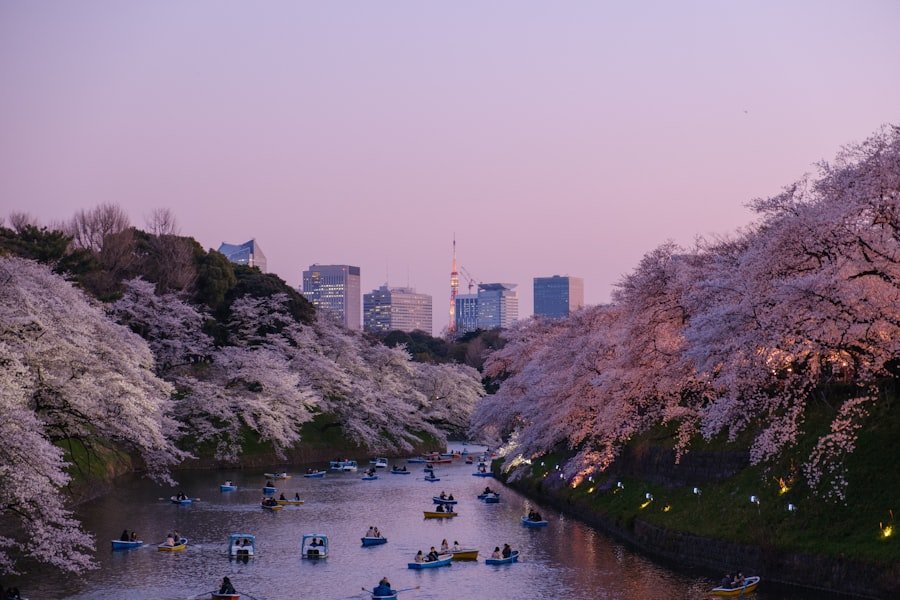
From cherry blossoms in spring to vibrant autumn leaves, discussing these seasonal changes can foster connections with locals who take pride in their environment. Additionally, mentioning specific weather conditions like “Ame ga futteimasu” (雨が降っています) meaning “It’s raining,” or “Sora wa hareteimasu” (空は晴れています) meaning “The sky is clear,” can further enrich your conversations and demonstrate your interest in local life.
Using Onsen-specific Vocabulary
When visiting an onsen, familiarising yourself with specific vocabulary can greatly enhance your experience. Terms such as “yukata” (浴衣), referring to the traditional cotton robe worn at onsens, and “rotenburo” (露天風呂), meaning outdoor hot spring bath, are essential for navigating these serene environments. You might find yourself asking about different types of baths by saying “Dono onsen ga arimasu ka?” (どの温泉がありますか?), which translates to “What types of hot springs are available?” Additionally, understanding terms related to onsen facilities can help you feel more comfortable during your visit.
For instance, knowing that “shampoo” and “conditioner” are often provided at washing stations allows you to pack lighter for your trip. Engaging with staff using onsen-specific vocabulary not only enhances your experience but also shows respect for their traditions and practices.
Discussing Health Concerns
When travelling abroad, discussing health concerns may become necessary at some point. In Japan, if you need medical assistance or have health-related questions while visiting an onsen, it’s important to communicate clearly. You might say “Kaze o hiiteimasu” (風邪をひいています), meaning “I have a cold,” if you feel unwell and require advice on whether it’s appropriate to use the hot springs.
If you have specific health conditions that may affect your ability to enjoy an onsen experience—such as high blood pressure or skin sensitivities—it’s wise to consult with staff beforehand. They are usually knowledgeable about health-related matters concerning their facilities and can provide guidance tailored to your needs. Being open about health concerns ensures that you have a safe and enjoyable experience while respecting both yourself and others around you.
Making Small Talk with Other Onsen Visitors
Engaging in small talk with fellow onsen visitors can enhance your experience and create lasting memories during your stay. A simple introduction such as “Hajimemashite” (はじめまして) followed by sharing where you’re from can open up conversations about travel experiences and cultural exchanges. You might ask questions like “Anata wa doko kara kimashita ka?” (あなたはどこから来ましたか?), meaning “Where are you from?” This shows genuine interest in others’ backgrounds.
Additionally, discussing shared experiences at the onsen can foster camaraderie among visitors. You could comment on the beauty of the surroundings or ask about their favourite hot spring treatments. Phrases like “Kono onsen wa sugoi desu ne!” (この温泉はすごいですね!) meaning “This hot spring is amazing!” can serve as great conversation starters.
Engaging in small talk not only enriches your visit but also allows for cultural exchange that enhances mutual understanding and appreciation. In conclusion, immersing yourself in Japanese culture through language and etiquette significantly enhances your travel experience. Whether you’re greeting locals with polite phrases or navigating through an onsen visit with confidence, every interaction becomes an opportunity for connection and learning.
For those interested in delving deeper into the language and culture, consider enrolling in Japanese courses at NLS Norwegian Language School in Oslo. Their comprehensive curriculum offers tailored lessons that cater to various proficiency levels, ensuring that students gain both linguistic skills and cultural insights essential for navigating Japan’s rich heritage effectively.
Your Japanese journey starts in Oslo. Join our classes at NLS and sign up today!




