

Talking about the weather is a universal conversation starter, transcending cultural boundaries and serving as a common ground for social interaction. In Korea, discussing the weather is not only a way to break the ice but also an essential part of daily life. The Korean language offers a rich tapestry of expressions and vocabulary that can help learners engage in meaningful conversations about the weather.
Understanding how to navigate this topic can enhance your language skills and deepen your cultural appreciation. In Korea, the weather can significantly influence daily activities, from deciding what to wear to planning outings. As such, being able to discuss weather conditions is crucial for anyone looking to integrate into Korean society or simply engage with Korean speakers.
This article will guide you through the essential vocabulary, phrases, and cultural nuances associated with talking about the weather in Korean, equipping you with the tools needed to converse confidently on this topic. Learn Korean in Oslo! NLS Norwegian Language School is now offering classes. Register today.
Summary
- Talking about the weather is an important part of Korean culture and daily conversation.
- Learning basic weather vocabulary in Korean is essential for effective communication.
- Asking about the weather in Korean involves using the correct grammar and sentence structure.
- Describing the weather in Korean requires knowledge of adjectives and sentence patterns.
- Understanding temperature in Korean involves learning specific words and expressions for different degrees.
Basic Weather Vocabulary in Korean
To begin discussing the weather in Korean, it is essential to familiarise yourself with some basic vocabulary. The word for “weather” in Korean is “날씨” (nalssi). This term serves as the foundation for many weather-related discussions.
Other fundamental words include “비” (bi) for “rain,” “눈” (nun) for “snow,” and “바람” (baram) for “wind.” These terms will allow you to describe various weather conditions and engage in conversations about them. Additionally, understanding adjectives that describe weather conditions is vital. For instance, “맑다” (makda) means “clear,” while “흐리다” (heurida) translates to “cloudy.” Knowing these adjectives will enable you to provide more detailed descriptions of the weather.
For example, you might say, “오늘 날씨가 맑아요” (oneul nalssiga makayo), meaning “The weather is clear today.” By mastering this basic vocabulary, you will be well on your way to discussing the weather in Korean.
Asking About the Weather in Korean
When engaging in conversations about the weather, knowing how to ask questions is just as important as knowing how to respond. A common way to inquire about the weather in Korean is by asking, “오늘 날씨 어때요?” (oneul nalssi eottaeyo?), which translates to “How is the weather today?” This question is straightforward and can be used in both casual and formal settings. Another useful phrase is “내일 날씨는 어때요?” (naeil nalssineun eottaeyo?), meaning “What will the weather be like tomorrow?” This question not only shows your interest in the topic but also opens up opportunities for further discussion.
By mastering these questions, you can engage others in conversations about their plans and preferences related to the weather, making your interactions more dynamic and enjoyable.
Describing the Weather in Korean
Once you have established a conversation about the weather, it is essential to know how to describe it effectively. You can use various phrases to convey different weather conditions. For instance, if it is raining, you might say, “비가 와요” (biga wayo), meaning “It is raining.” If it is snowing, you would say, “눈이 와요” (nuni wayo), which translates to “It is snowing.” These simple yet effective phrases allow you to communicate current weather conditions clearly.
Moreover, you can combine adjectives with nouns to provide more detailed descriptions. For example, if it is very hot outside, you could say, “오늘은 정말 더워요” (oneureun jeongmal deowoyo), meaning “It is really hot today.” Alternatively, if it is chilly, you might say, “오늘은 쌀쌀해요” (oneureun ssalssalhaeyo), which means “It is chilly today.” By using these descriptive phrases, you can paint a vivid picture of the weather for your conversation partner.
Talking About Temperature in Korean
Temperature is a crucial aspect of discussing the weather, and knowing how to express it in Korean can enhance your conversations significantly. The word for “temperature” in Korean is “온도” (ondo). When discussing temperature, you can use phrases like “온도가 높아요” (ondoga nopayo) for “The temperature is high” or “온도가 낮아요” (ondoga najayo) for “The temperature is low.” These expressions are particularly useful when discussing seasonal changes or planning activities based on temperature.
Additionally, it is helpful to know specific temperature ranges. For example, if it is around 30 degrees Celsius, you might say, “오늘은 30도예요” (oneureun samshipdoyeyo), meaning “It is 30 degrees today.” Conversely, if it is cold outside, you could say, “오늘은 영하예요” (oneureun yeonghaeyo), which translates to “It is below zero today.” By incorporating temperature discussions into your conversations about the weather, you can provide more context and engage more deeply with your conversation partner.
Discussing Weather Patterns in Korean
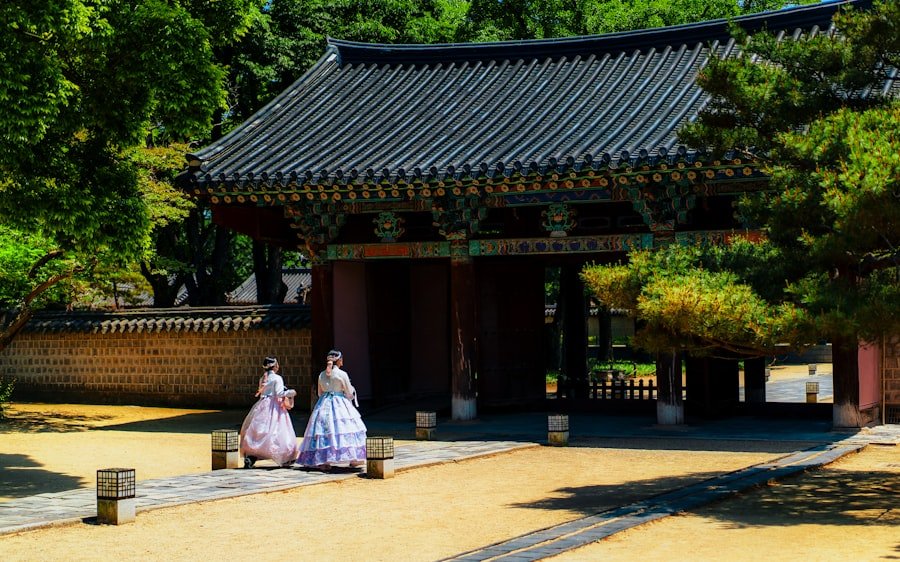
Understanding weather patterns can add depth to your conversations about the weather. In Korea, there are distinct seasons that influence daily life and activities. The four main seasons are 봄 (bom) for spring, 여름 (yeoreum) for summer, 가을 (ga-eul) for autumn, and 겨울 (gyeoul) for winter.
Each season brings its own unique weather patterns and characteristics that are worth discussing. For instance, during summer, you might encounter phrases like “여름에는 덥고 습해요” (yeoreumeneun deobgo seuphaeyo), meaning “In summer, it is hot and humid.” In contrast, during winter, you could say, “겨울에는 춥고 눈이 많이 와요” (gyeouleun chupgo nuni mani wayo), which translates to “In winter, it is cold and it snows a lot.” By discussing these seasonal patterns, you can engage in more meaningful conversations about how the weather affects lifestyle choices and cultural practices in Korea.
Expressing Likes and Dislikes About the Weather in Korean
Expressing personal preferences regarding the weather can lead to engaging discussions and help build rapport with your conversation partner. To express that you like a particular type of weather, you can use phrases like “저는 맑은 날씨를 좋아해요” (jeoneun malgeun nalssireul joahaeyo), meaning “I like clear weather.” Conversely, if you dislike certain conditions, you might say, “저는 비 오는 날씨가 싫어요” (jeoneun bi oneun nalssiga silh-eoyo), which translates to “I dislike rainy weather.” These expressions not only convey your feelings but also invite others to share their preferences. You might find that discussing likes and dislikes about the weather can lead to broader conversations about activities or events that are influenced by these conditions.
For example, someone who enjoys sunny days may talk about their favourite outdoor activities or places they like to visit when the sun shines.
Making Plans Based on the Weather in Korean
Weather often plays a significant role in planning activities or outings. Knowing how to discuss plans based on the weather can enhance your conversational skills and help you connect with others. For instance, if you want to suggest going for a picnic on a sunny day, you could say, “오늘 날씨가 좋으니까 소풍 가요!” (oneul nalssiga joheunikka sopung gayo!), meaning “The weather is nice today; let’s go for a picnic!” Conversely, if the forecast predicts rain and you need to change plans, you might say, “비가 온다고 하니까 다른 계획을 세워야 해요” (biga ondago hanikka dareun gyehoeg-eul sewo야 haeyo), which translates to “Since it’s going to rain, we need to make other plans.” By incorporating discussions about plans based on the weather into your conversations, you can create opportunities for social interaction and shared experiences.
Using Weather Idioms and Expressions in Korean
Korean culture has its own set of idioms and expressions related to the weather that can enrich your conversations. For example, the phrase “비 온 뒤에 땅이 굳어진다” (bi on dwie ttangi gujeojinda) translates to “After rain falls, the ground hardens,” which conveys the idea that challenges can lead to growth or improvement. Using such idioms not only demonstrates your language proficiency but also shows your understanding of cultural nuances.
Another common expression is “구름 뒤에 해가 있다” (gureum dwie haega itda), meaning “There is sunshine behind the clouds.” This phrase can be used metaphorically to suggest that hope exists even in difficult times. Incorporating these idioms into your conversations about the weather can make your speech more colourful and engaging while providing insight into Korean culture.
Polite and Formal Ways to Talk About the Weather in Korean
In Korean culture, politeness and formality are essential aspects of communication. When discussing the weather with someone older or in a formal setting, using polite language is crucial. Instead of saying “비가 와요” (biga wayo), which is casual, you might opt for “비가 옵니다” (biga omnida) when speaking formally.
This small change reflects respect and consideration for your conversation partner. Additionally, when asking about the weather politely, you could say, “오늘 날씨가 어떠십니까?” (oneul nalssiga eotteosimnikka?), which translates to “How is the weather today?” This formal structure demonstrates your awareness of social etiquette and enhances your ability to engage with a wider range of speakers in various contexts.
Practice and Resources for Improving Your Korean Weather Conversations
To become proficient in discussing the weather in Korean, consistent practice is key. Engaging with native speakers through language exchange platforms or conversation groups can provide invaluable real-world experience. Additionally, watching Korean dramas or listening to Korean music often includes references to the weather that can help reinforce vocabulary and expressions.
For those looking for structured learning resources, consider enrolling in courses that focus on conversational Korean at institutions like NLS Norwegian Language School in Oslo. Their comprehensive curriculum includes modules specifically designed for practical communication skills such as discussing everyday topics like the weather. With dedicated instructors and immersive learning environments, NLS offers an excellent opportunity for learners at all levels to enhance their language abilities effectively.
In conclusion, mastering how to talk about the weather in Korean opens up numerous avenues for social interaction and cultural understanding. By familiarising yourself with essential vocabulary and expressions while practising regularly through various resources—including courses at NLS—you will be well-equipped to engage confidently in conversations about this universal topic.




