

Navigating a foreign country can often be a daunting task, especially when the language spoken is unfamiliar. For those venturing into South Korea, mastering the art of asking for directions is not only practical but also essential for a fulfilling travel experience. The ability to communicate effectively can open doors to new adventures, allowing you to explore the vibrant streets of Seoul or the serene landscapes of Jeju Island with confidence.
In this article, we will delve into the nuances of asking for directions in Korean, equipping you with the necessary phrases, cultural insights, and practical tips to enhance your journey. Korean is a language rich in history and culture, and understanding its structure can significantly aid in your navigation efforts. The Korean alphabet, Hangul, is relatively straightforward to learn, making it easier for newcomers to pick up essential phrases.
By familiarising yourself with basic vocabulary and expressions related to directions, you will not only find your way more easily but also engage more meaningfully with the locals. This article aims to provide a comprehensive guide to help you navigate the streets of Korea with ease and confidence. Learn Korean in Oslo! NLS Norwegian Language School is now offering classes. Register today.
Summary
- When asking for directions in Korea, it’s important to understand basic phrases and street addresses.
- Korean street addresses follow a different format than in many Western countries, so it’s important to familiarise yourself with this system.
- Using landmarks is a common way to navigate in Korea, so it’s helpful to learn how to identify and use them for directions.
- Polite and formal language is essential when asking for directions in Korea, so it’s’s important to learn the appropriate language and etiquette.
- Navigating public transportation and knowing how to ask for directions in emergency situations are also important aspects to consider when in Korea.
Basic Phrases for Asking for Directions
When it comes to asking for directions in Korean, there are several key phrases that can serve as your linguistic toolkit. One of the most fundamental expressions is “저기요” (jeogiyo), which translates to “Excuse me.” This phrase is an excellent way to capture someone’s attention before you pose your question. Following this, you can ask “어디에요?” (eodieyo?), meaning “Where is it?” This combination is simple yet effective, allowing you to initiate a conversation with locals who may be able to assist you.
Another useful phrase is “이쪽으로 가려면 어떻게 가야 해요?” (ijjogeuro garyeomyeon eotteoke gaya haeyo?), which means “How do I get to this place?” You can replace “이쪽” (ijjok) with the name of your desired destination. For example, if you want to ask for directions to a popular tourist spot like Gyeongbokgung Palace, you would say “경복궁에 가려면 어떻게 가야 해요?” (Gyeongbokgung-e garyeomyeon eotteoke gaya haeyo?). Familiarising yourself with these phrases will empower you to navigate your surroundings more effectively.
Understanding Korean Street Addresses
Korean street addresses may initially seem perplexing due to their unique structure. Unlike many Western countries that use a straightforward numbering system, South Korea employs a combination of street names and building numbers that can vary significantly from one area to another. Typically, addresses are presented in the format of “Street Name + Building Number,” which can be confusing for those unaccustomed to this system.
To illustrate, an address might read “서울특별시 종로구 세종대로 123” (Seoul Teukbyeolsi Jongno-gu Sejong-daero 123). Here, “서울특별시” (Seoul Teukbyeolsi) refers to the city, “종로구” (Jongno-gu) indicates the district, and “세종대로” (Sejong-daero) is the street name. The building number follows at the end.
Understanding this format will help you decipher addresses when asking for directions or when using navigation apps. Additionally, many locals are accustomed to providing directions based on nearby landmarks rather than exact addresses, so being aware of your surroundings can be beneficial.
Using Landmarks to Navigate in Korea
In South Korea, landmarks play a crucial role in navigation. Many locals will refer to well-known buildings, parks, or statues when giving directions rather than relying solely on street names or numbers. This practice stems from a cultural tendency to use visual cues that are easily recognisable.
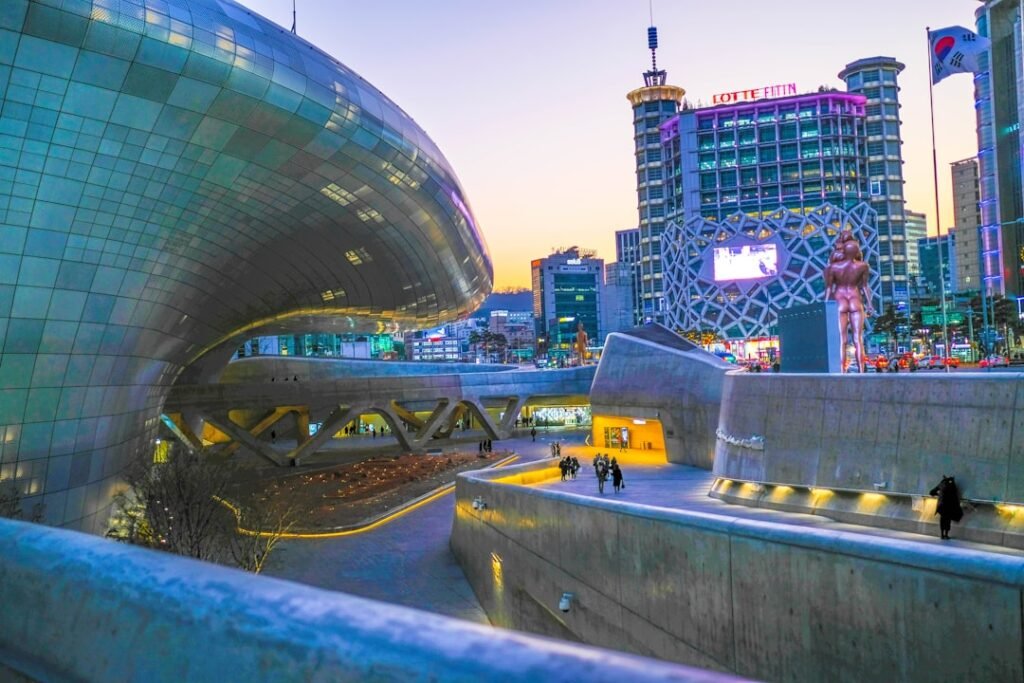
For instance, if you are trying to find a restaurant near Namsan Tower, you might hear someone say, “Namsan Tower is over there; just walk straight.” When asking for directions, it can be helpful to mention any landmarks you are familiar with or have seen on your journey. For example, if you are near Dongdaemun Design Plaza and want to reach a nearby café, you could say, “동대문 디자인 플라자 근처에 있는 카페에 가고 싶어요” (Dongdaemun Design Plaza geuncheoe inneun kape-e gago sipeoyo), meaning “I want to go to a café near Dongdaemun Design Plaza.” This approach not only makes it easier for locals to understand your request but also enriches your experience by connecting you with the vibrant culture surrounding these landmarks.
Polite and Formal Language for Asking for Directions
Korean culture places a strong emphasis on politeness and respect, particularly in language use. When asking for directions, it is essential to employ polite forms of speech to convey respect towards the person you are addressing. The use of formal language is not only a sign of good manners but also helps foster positive interactions with locals.
For instance, instead of simply saying “어디?” (eodi?), which means “Where?”, it is more appropriate to use “어디에요?” (eodieyo?) or “어디에 계세요?” (eodie gyeseyo?), which translates to “Where is it?” or “Where are you?” respectively. These variations reflect a level of respect that is appreciated in Korean society. Additionally, using polite endings such as “-요” (-yo) at the end of your sentences can make your requests sound more courteous.
Common Responses to Asking for Directions
When you ask for directions in Korean, it is equally important to understand how locals might respond. Familiarising yourself with common responses can help you navigate conversations more smoothly. A typical response might be “이쪽으로 가세요” (ijjogeuro gaseyo), meaning “Go this way.” Alternatively, they may say “직진하세요” (jikjin haseyo), which translates to “Go straight.” In some cases, locals may provide more detailed instructions involving turns or distances.
For example, they might say “왼쪽으로 가서 오른쪽으로 도세요” (oenjjogeuro gaseo oreunjjogeuro doseyo), meaning “Go left and then turn right.” Understanding these phrases will enable you to follow their instructions accurately and reach your destination without confusion.
Navigating Public Transportation in Korea
Public transportation in South Korea is renowned for its efficiency and convenience. The subway system in cities like Seoul is extensive and user-friendly, making it an excellent option for travellers. When asking for directions related to public transport, it is helpful to know specific terms associated with trains and buses.
For instance, if you want to inquire about the nearest subway station, you can ask “가장 가까운 지하철역이 어디에요?” (gajang gakkaun jihacheolyeogi eodieyo?), meaning “Where is the nearest subway station?” Additionally, understanding the names of subway lines and stops can greatly enhance your ability to navigate the system. Most stations have English signage, but knowing how to pronounce them in Korean can be advantageous when seeking assistance from locals.
Asking for Directions in Emergency Situations
In emergency situations, clear communication becomes even more critical. If you find yourself in need of urgent assistance or lost in an unfamiliar area, knowing how to ask for help can make all the difference. A simple phrase like “도와주세요!” (dowajuseyo!), meaning “Please help me!” can be invaluable in such circumstances.
If you require medical assistance or need directions to the nearest hospital, you can say “병원에 가려면 어떻게 가야 해요?” (byeongwon-e garyeomyeon eotteoke gaya haeyo?), which translates to “How do I get to the hospital?” Being prepared with these phrases can provide peace of mind during your travels and ensure that you can seek help when necessary.
Tips for Communicating with Locals in Korea
Effective communication goes beyond just knowing phrases; it also involves understanding cultural nuances and non-verbal cues. When interacting with locals while asking for directions, maintaining eye contact and using gestures can enhance your message’s clarity. Pointing towards maps or showing pictures on your phone can also bridge any language gaps.
Additionally, patience is key when communicating with those who may not speak English fluently. Many Koreans are eager to help but may struggle with language barriers. Speaking slowly and clearly while using simple vocabulary will facilitate better understanding.
Moreover, don’t hesitate to repeat or rephrase your question if necessary; most locals appreciate your effort in trying to communicate in their language.
Cultural Etiquette when Asking for Directions in Korea
Cultural etiquette plays a significant role in how interactions unfold in South Korea. When approaching someone for directions, it is customary to greet them politely before making your request. A simple “안녕하세요” (annyeonghaseyo), meaning “Hello,” sets a positive tone for the conversation.
Furthermore, showing gratitude after receiving assistance is essential in Korean culture. A heartfelt “감사합니다” (gamsahamnida), meaning “Thank you,” acknowledges their help and fosters goodwill. Being mindful of these cultural practices not only enhances your experience but also leaves a positive impression on those you interact with.
Practice Exercises for Asking for Directions in Korean
To solidify your understanding of asking for directions in Korean, engaging in practice exercises can be immensely beneficial. Start by creating flashcards with key phrases and their translations; this will help reinforce your memory. Pair up with a language partner or tutor and role-play different scenarios where one person asks for directions while the other responds.
Additionally, consider exploring online resources or language learning apps that offer interactive exercises focused on navigation vocabulary. Practising pronunciation through listening exercises will also enhance your confidence when speaking with locals. The more you immerse yourself in these phrases and scenarios, the more comfortable you will become when navigating Korea’s bustling streets.
As you embark on your journey through South Korea, remember that asking for directions is not just about reaching your destination; it’s an opportunity to connect with the local culture and people. Embrace the experience wholeheartedly and enjoy every moment of exploration. For those interested in delving deeper into the Korean language and culture, consider enrolling in Korean courses at the NLS Norwegian Language School in Oslo.
These courses offer structured learning environments where students can develop their language skills comprehensively while gaining insights into cultural nuances that enhance communication experiences abroad. Whether you’re a beginner or looking to refine your skills further, NLS provides an excellent platform for mastering Korean and preparing for your adventures in Korea!




