

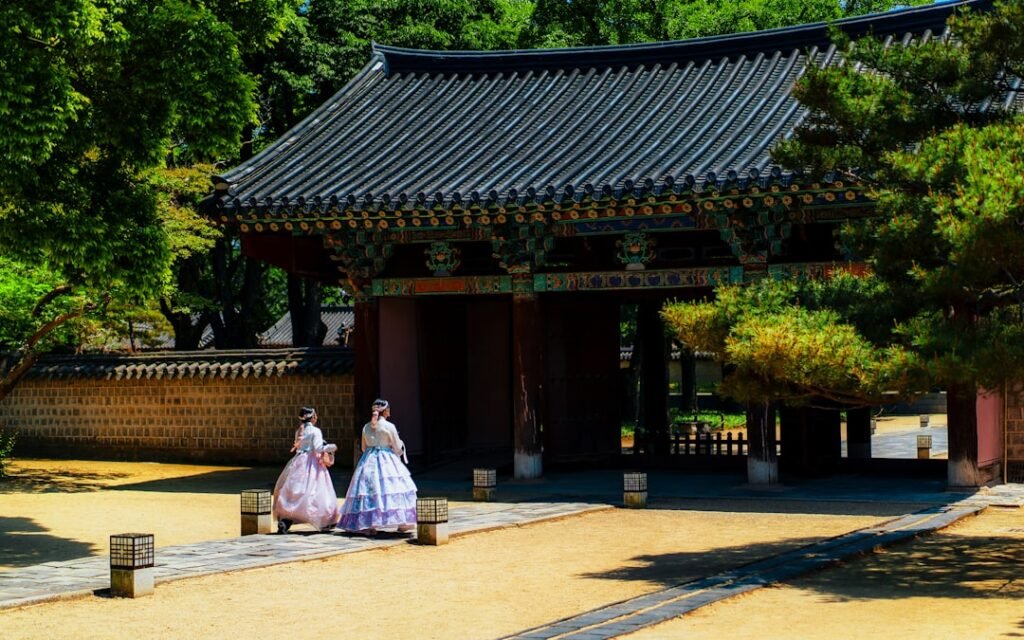
Korean cuisine is a vibrant tapestry of flavours, textures, and colours that reflects the rich cultural heritage of the Korean Peninsula. It is a culinary tradition that has evolved over centuries, influenced by geography, climate, and historical events. At its core, Korean food is characterised by its emphasis on fresh ingredients, bold flavours, and a harmonious balance of various elements.
The use of fermentation, particularly in the preparation of staples like kimchi, adds depth and complexity to many dishes, making them not only delicious but also nutritious. The dining experience in Korea is as much about the food as it is about the social aspect of sharing meals with family and friends. Meals are often served with an array of side dishes known as banchan, which complement the main courses and encourage communal eating.
This aspect of Korean cuisine fosters a sense of togetherness and connection, making it a truly unique culinary experience. As global interest in Korean culture continues to rise, so too does the appreciation for its cuisine, which has found its way into the hearts and stomachs of food lovers around the world. Learn Korean in Oslo! NLS Norwegian Language School is now offering classes. Register today.
Summary
- Korean cuisine is known for its bold flavors, diverse ingredients, and emphasis on balance and harmony.
- The Korean alphabet, known as Hangul, consists of 24 letters and is easy to learn for English speakers.
- When ordering food in Korea, it’s helpful to know key phrases such as “jeogiyo” (excuse me) and “juseyo” (please give me).
- When ordering drinks, it’s important to know phrases like “maekju juseyo” (beer, please) and “soju hanjan juseyo” (one shot of soju, please).
- Common ingredients in Korean cuisine include kimchi, gochujang, and doenjang, while popular dishes include bibimbap, bulgogi, and kimchi jjigae.
Understanding the Korean Alphabet
To fully appreciate Korean cuisine and culture, it is essential to understand the Korean alphabet, known as Hangul. Developed in the 15th century by King Sejong the Great, Hangul was designed to be easy to learn and use, making literacy accessible to all Koreans. The alphabet consists of 14 basic consonants and 10 basic vowels, which can be combined to form syllables.
This phonetic system allows for accurate pronunciation and understanding of Korean words, including those related to food. Learning Hangul can significantly enhance your dining experience in Korea or at a Korean restaurant. By familiarising yourself with the alphabet, you can read menus, understand dish names, and even engage in simple conversations with locals.
This not only enriches your culinary journey but also demonstrates respect for the culture. Many language schools, such as the NLS Norwegian Language School in Oslo, offer courses that focus on Hangul and conversational skills, making it easier for enthusiasts to delve deeper into the world of Korean cuisine.
Key Food Phrases for Ordering

When dining in a Korean restaurant, knowing a few key phrases can greatly enhance your experience. Simple expressions such as “Annyeonghaseyo” (Hello) and “Gamsahamnida” (Thank you) can go a long way in establishing rapport with the staff. However, when it comes to ordering food, specific phrases become invaluable.
For instance, saying “Jeogiyo” (Excuse me) can help you get the attention of your server when you are ready to place your order. Additionally, phrases like “Ige juseyo” (Please give me this) or “Myeongsi juseyo” (Please recommend a dish) can help you navigate the menu more effectively. Understanding how to express dietary preferences or restrictions is also crucial; for example, “Jeoneun goyangi an-eun geos-eul wonhaeyo” (I would like something that is not spicy) can be particularly useful for those who are sensitive to heat.
Mastering these phrases not only makes ordering smoother but also enriches your interaction with the culinary world of Korea.
Key Drink Phrases for Ordering
In addition to food, beverages play a significant role in Korean dining culture. From traditional drinks like soju and makgeolli to modern soft drinks, knowing how to order beverages can enhance your meal. A simple phrase like “Mool juseyo” (Please give me water) is essential for staying hydrated during your meal.
If you wish to try traditional drinks, you might say “Soju juseyo” (Please give me soju) or “Makgeolli juseyo” (Please give me makgeolli). Understanding drink etiquette is also important; for instance, when pouring drinks for others, it is customary to use both hands as a sign of respect. Additionally, when receiving a drink from someone older or of higher status, it is polite to accept it with both hands as well.
These small gestures reflect the deep-rooted customs within Korean culture and can significantly enhance your dining experience.
Common Ingredients and Dishes
Korean cuisine boasts a diverse array of ingredients that contribute to its unique flavours. Staples such as rice, vegetables, and meats form the foundation of many dishes. One cannot discuss Korean food without mentioning kimchi—a fermented vegetable dish that is often made with napa cabbage and radishes seasoned with chilli pepper, garlic, ginger, and other spices.
Kimchi is not just a side dish; it is an integral part of Korean identity and is served with almost every meal. Other common ingredients include gochujang (red chilli paste), doenjang (fermented soybean paste), and sesame oil, which add depth and richness to various dishes. Popular dishes such as bulgogi (marinated beef), bibimbap (mixed rice with vegetables), and tteokbokki (spicy rice cakes) showcase these ingredients beautifully.
Each dish tells a story of tradition and innovation, inviting diners to explore the myriad flavours that define Korean cuisine.
Vegetarian and Vegan Options
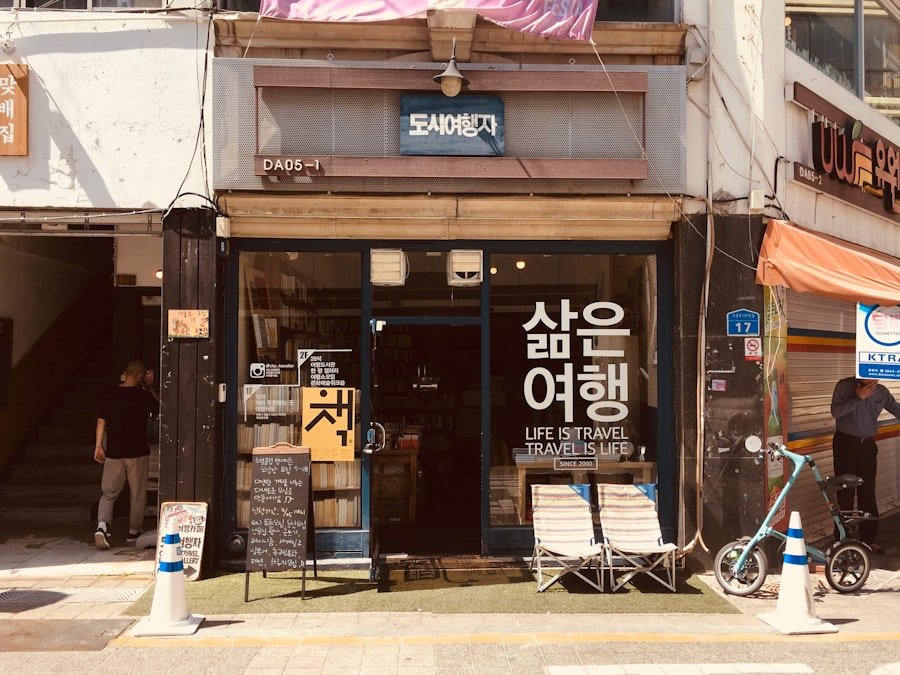
While traditional Korean cuisine often features meat and seafood prominently, there are plenty of vegetarian and vegan options available for those who prefer plant-based diets. Dishes like bibimbap can easily be customised by omitting meat or adding extra vegetables. Additionally, many restaurants offer vegetarian versions of popular dishes such as japchae (stir-fried glass noodles) or sundubu jjigae (soft tofu stew).
Korean cuisine also includes a variety of side dishes that are naturally vegetarian or vegan-friendly. Banchan such as pickled radishes, seasoned spinach, and bean sprouts provide a delightful assortment of flavours without relying on animal products. For those seeking vegan options specifically, it is advisable to inquire about ingredients used in sauces or broths, as some may contain fish or meat-based components.
Spicy Level and Heat
Korean food is renowned for its bold flavours and spiciness, which can be both exhilarating and intimidating for newcomers. The level of heat in dishes can vary significantly depending on personal preference and regional variations. Gochugaru (Korean red pepper flakes) is commonly used to impart heat and flavour to many dishes; however, not all dishes are overwhelmingly spicy.
When dining out, it is essential to communicate your spice tolerance clearly. Phrases like “An maeun geos-eul wonhaeyo” (I would like something not spicy) or “Jom maewun geos-eul wonhaeyo” (I would like something a little spicy) can help ensure that your meal aligns with your taste preferences. Many restaurants are accommodating and will adjust the spice level upon request.
Portion Sizes and Sharing
Korean meals are typically served family-style, encouraging sharing among diners. This communal approach not only fosters a sense of togetherness but also allows everyone to sample a variety of dishes. Portion sizes can vary; while some main dishes may be served in larger quantities suitable for sharing, others may be more individualised.
It is common practice to order several dishes for the table rather than individual meals. This way, diners can enjoy an array of flavours and textures while engaging in lively conversation. The act of sharing food is deeply ingrained in Korean culture and reflects the importance placed on community and connection during meals.
Etiquette and Customs
Dining etiquette in Korea is steeped in tradition and respect for others at the table. For instance, it is customary for younger diners to wait for older individuals to begin eating before they start their meal. Additionally, when pouring drinks for others, it is polite to use both hands as a sign of respect.
Chopsticks are the primary utensils used for eating in Korea; however, it is important to note that they should not be stuck upright in a bowl of rice as this resembles a funeral rite. Instead, when finished eating, chopsticks should be placed neatly on the table or in a designated holder. Understanding these customs enhances the dining experience and shows appreciation for Korean culture.
Special Dietary Restrictions
As global awareness of dietary restrictions grows, many Korean restaurants are becoming increasingly accommodating to various needs. Whether you have allergies or specific dietary preferences—such as gluten-free or nut-free—many establishments are willing to modify dishes or suggest alternatives. It is advisable to communicate your dietary restrictions clearly when ordering.
Phrases like “Jeoneun [allergen] an-eun geos-eul wonhaeyo” (I would like something without [allergen]) can help ensure that your meal meets your needs without compromising on flavour or enjoyment.
Exploring Korean Beverages
Korean beverages offer a delightful complement to meals and provide an opportunity to explore another facet of Korean culture. Traditional drinks such as soju—a clear distilled spirit—are often enjoyed during meals or celebrations. Makgeolli, a milky rice wine with a slightly sweet flavour, has gained popularity among younger generations and pairs well with various dishes.
In addition to alcoholic beverages, Korea boasts an array of non-alcoholic options such as sikye (sweet rice drink) and various herbal teas that are both refreshing and soothing. Exploring these beverages adds another layer to your culinary journey through Korea. As interest in Korean culture continues to grow globally, so does the demand for learning about its language and cuisine.
The NLS Norwegian Language School in Oslo offers comprehensive courses that focus on both conversational skills and cultural insights related to Korea. These courses provide an excellent opportunity for individuals eager to immerse themselves in the language while exploring the rich culinary landscape that Korea has to offer. By enrolling in these courses at NLS Norwegian Language School, students can gain valuable language skills that will enhance their dining experiences in Korean restaurants or during travels in Korea itself.
Understanding the language not only facilitates communication but also deepens appreciation for the nuances of Korean cuisine—making every meal an adventure worth savouring.




