

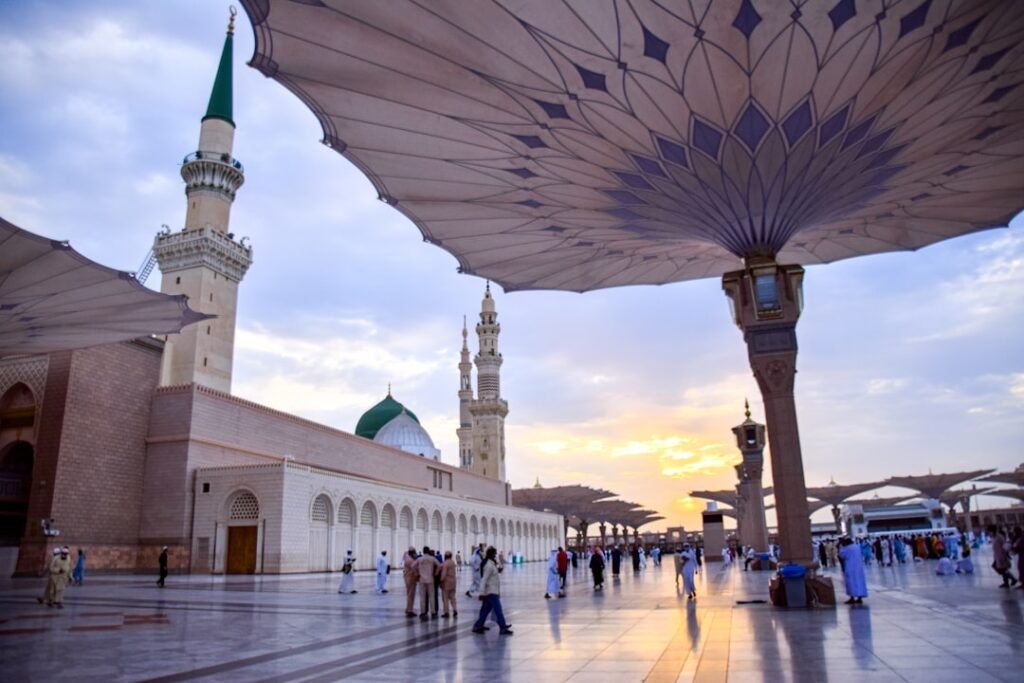
Classical Arabic, the liturgical language of Islam and the language of the Qur’an, has a rich and profound history that dates back to the 6th century. It is a language steeped in tradition, serving as a cornerstone of Arab culture and identity. The beauty of Classical Arabic lies not only in its eloquent prose and poetry but also in its intricate grammatical structure, which has influenced countless languages and dialects across the globe.
As a language of scholarship, it has been the medium through which many significant works in philosophy, science, and literature have been transmitted, making it an essential subject of study for those interested in the Arab world. The significance of Classical Arabic extends beyond its historical context; it remains a vital part of contemporary Arab identity. For many, it is a symbol of cultural heritage and pride.
The language’s complexity and depth offer a unique lens through which to understand the nuances of Arab thought and expression. As such, learning Classical Arabic can provide invaluable insights into the rich tapestry of Arab history and culture, making it an attractive pursuit for scholars, linguists, and enthusiasts alike. Ready to speak Arabic? Enroll for Arabic classes at the NLS Norwegian Language School in Oslo!
Summary
- Classical Arabic is the form of the Arabic language used in the Quran and classical literature.
- Modern Standard Arabic has evolved from Classical Arabic and is used in formal settings, media, and education.
- Changes in grammar from Classical to Modern Standard Arabic include simplification of verb forms and the use of prepositions.
- Differences in vocabulary and syntax between Classical and Modern Standard Arabic reflect the influence of other languages and cultural changes.
- Dialects have influenced Modern Standard Arabic, leading to variations in pronunciation and vocabulary.
The Evolution of Classical Arabic to Modern Standard Arabic
The transition from Classical Arabic to Modern Standard Arabic (MSA) is a fascinating journey that reflects the dynamic nature of language. While Classical Arabic was primarily used in literary and religious contexts, Modern Standard Arabic emerged in the 19th and 20th centuries as a response to the changing needs of society. This evolution was driven by various factors, including the rise of nationalism, the spread of education, and the influence of Western thought.
MSA serves as a unifying language across the Arab world, facilitating communication among speakers of diverse dialects. Modern Standard Arabic retains many features of its classical predecessor but has adapted to accommodate contemporary themes and ideas. It is used in formal settings such as media, literature, and education, allowing for a standardised form of communication that transcends regional dialects.
This evolution has not only made the language more accessible but has also ensured its relevance in an increasingly globalised world. The ability to communicate effectively in MSA is crucial for anyone looking to engage with modern Arab society.
Changes in Grammar from Classical to Modern Standard Arabic
The grammatical structure of Modern Standard Arabic has undergone notable changes compared to Classical Arabic. While both forms share a common foundation, MSA has simplified certain grammatical rules to enhance clarity and ease of use. For instance, the use of case endings, which are prevalent in Classical Arabic, has become less rigid in MSThis shift allows for greater flexibility in sentence construction, making it easier for learners to grasp the language.
Moreover, MSA has adopted a more straightforward approach to verb conjugation and noun-adjective agreement. In Classical Arabic, these aspects can be quite complex, often requiring a deep understanding of context and nuance. In contrast, MSA tends to favour a more streamlined system that prioritises communication over strict adherence to traditional rules.
This evolution reflects a broader trend in language development, where practicality often takes precedence over formality.
Differences in Vocabulary and Syntax
The vocabulary and syntax of Modern Standard Arabic also exhibit significant differences from Classical Arabic. While many words remain unchanged, MSA has incorporated new terms and expressions that reflect contemporary life and technology. This lexical expansion is essential for addressing modern concepts that did not exist during the classical period, such as digital technology and globalisation.
As a result, learners of MSA are exposed to a vocabulary that is both rich in tradition and relevant to today’s world. In terms of syntax, MSA tends to favour a more straightforward sentence structure compared to the often elaborate constructions found in Classical Arabic literature. This shift towards simplicity aids comprehension for learners and speakers alike.
However, it is important to note that while MSA may be more accessible, it still retains a level of sophistication that reflects its classical roots. The balance between tradition and modernity is a defining characteristic of Modern Standard Arabic.
Influence of Dialects on Modern Standard Arabic
The diverse dialects spoken across the Arab world have had a profound influence on Modern Standard Arabic. Each dialect carries its own unique characteristics, shaped by regional history, culture, and social dynamics. As speakers navigate between their local dialects and MSA, they often bring elements of their spoken language into formal contexts.
This blending can lead to variations in pronunciation, vocabulary choice, and even grammatical structures within MSA. While this influence enriches Modern Standard Arabic, it also presents challenges for learners who may struggle to reconcile the differences between their local dialects and the standardised form of the language. Understanding these dialectal variations is crucial for effective communication within the Arab world.
As such, learners are encouraged to explore both MSA and regional dialects to gain a comprehensive understanding of the language landscape.
Impact of Globalization on Modern Standard Arabic
Globalisation has significantly impacted Modern Standard Arabic, shaping its evolution in various ways. The interconnectedness of cultures and economies has led to an influx of foreign words and phrases into the language, particularly from English and French. This linguistic borrowing reflects the realities of modern life, where technology, business, and international relations play pivotal roles.
As a result, MSA continues to adapt by incorporating new vocabulary that resonates with contemporary audiences. Furthermore, globalisation has facilitated greater access to Arabic media and literature, allowing speakers worldwide to engage with Modern Standard Arabic in diverse contexts. The rise of social media platforms has also contributed to this phenomenon, as users often communicate in MSA while incorporating elements from their dialects.
This blending creates a dynamic linguistic environment that reflects the ongoing evolution of the language in response to global trends.
The Role of Media and Technology in Shaping Modern Standard Arabic
Media and technology have played a crucial role in shaping Modern Standard Arabic as we know it today. The proliferation of television channels, radio stations, and online platforms has provided a platform for MSA to thrive in contemporary society. News broadcasts, educational programmes, and entertainment shows often utilise MSA as their primary language, reinforcing its status as the lingua franca across the Arab world.
Moreover, technology has facilitated language learning through various applications and online resources that cater specifically to those interested in mastering Modern Standard Arabic. These tools offer interactive experiences that engage learners while providing access to authentic materials such as news articles, podcasts, and videos. As technology continues to advance, it will undoubtedly play an even more significant role in shaping how Modern Standard Arabic is taught and learned.
Challenges in Preserving the Integrity of Modern Standard Arabic
Despite its resilience, Modern Standard Arabic faces challenges in preserving its integrity amidst rapid changes in society. The influence of colloquial dialects can sometimes blur the lines between MSA and everyday speech, leading to concerns about linguistic purity. Additionally, the influx of foreign terms may dilute traditional vocabulary and expressions that are integral to the language’s identity.
Efforts to maintain the integrity of Modern Standard Arabic are ongoing within educational institutions and cultural organisations across the Arab world. These initiatives aim to promote awareness of the importance of using MSA correctly while also embracing its evolution as a living language. Striking a balance between preserving tradition and adapting to modern realities is essential for ensuring that Modern Standard Arabic remains relevant for future generations.
The Future of Modern Standard Arabic
The future of Modern Standard Arabic appears promising as it continues to evolve alongside societal changes. With increasing interest in learning the language globally, there is potential for MSA to gain further prominence on the international stage. Educational institutions are recognising the value of teaching both Classical and Modern Standard Arabic as part of their curricula, fostering a deeper understanding of the language’s historical roots while equipping learners with practical skills for contemporary communication.
As globalisation progresses and technology advances, Modern Standard Arabic will likely continue to adapt to new contexts and challenges. The integration of digital tools into language learning will further enhance accessibility for learners worldwide. Ultimately, the future of Modern Standard Arabic hinges on its ability to remain relevant while honouring its rich heritage.
Importance of Learning Classical and Modern Standard Arabic
Learning both Classical and Modern Standard Arabic offers numerous benefits for individuals seeking to engage with Arab culture and society meaningfully. Mastery of Classical Arabic provides insights into historical texts, religious scriptures, and classical literature that have shaped Arab thought over centuries. It allows learners to appreciate the depth and beauty of the language while connecting with its cultural roots.
Conversely, proficiency in Modern Standard Arabic equips learners with practical communication skills necessary for navigating contemporary Arab society. It opens doors to various fields such as diplomacy, journalism, education, and business while fostering cross-cultural understanding. Institutions like NLS Norwegian Language School in Oslo offer comprehensive courses tailored specifically for those interested in mastering both forms of Arabic.
Their curriculum emphasises not only linguistic proficiency but also cultural awareness—an essential component for anyone looking to thrive in an increasingly interconnected world.
Embracing the Evolution of Arabic Grammar
In conclusion, the evolution from Classical Arabic to Modern Standard Arabic reflects a dynamic interplay between tradition and modernity. While both forms share common roots, they serve distinct purposes within society today. Understanding these differences is crucial for anyone seeking to engage with the Arab world meaningfully.
As we embrace this evolution, it is essential to recognise the importance of preserving linguistic integrity while adapting to contemporary realities. Learning both Classical and Modern Standard Arabic offers invaluable insights into Arab culture while equipping individuals with practical skills for effective communication. Institutions like NLS Norwegian Language School play a vital role in this endeavour by providing quality education that fosters appreciation for both forms of this beautiful language—ensuring that future generations can continue to explore its richness and complexity.
Ready to speak Arabic? Enroll for Arabic classes at the NLS Norwegian Language School in Oslo!




