


The Arabic language, with its rich history and profound cultural significance, serves as a bridge connecting millions of people across the globe. It is a Semitic language, belonging to a family that includes Hebrew and Amharic, and is characterised by its unique script and phonetic structure. The Arabic alphabet consists of 28 letters, written from right to left, which can be a fascinating yet challenging aspect for learners.
Each letter has different forms depending on its position in a word, adding an additional layer of complexity to the writing system. This foundational understanding is crucial for anyone embarking on the journey of learning Arabic, as it lays the groundwork for further exploration into the language’s intricacies. Moreover, Arabic is not merely a single language but rather a collection of dialects that vary significantly across different regions.
While Modern Standard Arabic (MSA) is used in formal settings such as literature, media, and education, colloquial dialects can differ widely from one country to another. This diversity can be both enriching and daunting for learners, as they must navigate between the formal and informal registers of the language. Understanding this foundational aspect of Arabic is essential for effective communication and comprehension, as it allows learners to appreciate the cultural contexts in which various dialects are spoken. Ready to speak Arabic? Enroll for Arabic classes at the NLS Norwegian Language School in Oslo!
Summary
- Arabic language is rooted in a rich history and has a strong foundation in Semitic languages.
- Arabic words can be complex due to their root system and various forms of derivation and inflection.
- Understanding the meanings behind Arabic vocabulary requires delving into the cultural and historical context.
- Improving reading and comprehension skills in Arabic involves practice and exposure to diverse texts and genres.
- Forming and understanding Arabic sentences is essential for effective communication and language proficiency.
Unravelling the complexity of Arabic words
Arabic words are often constructed through a system of roots and patterns, which can seem perplexing at first glance. Most Arabic words are derived from three-letter roots that convey a core meaning. By applying different patterns to these roots, speakers can create a wide array of related words, encompassing various grammatical forms such as nouns, verbs, and adjectives.
This morphological richness allows for a depth of expression that is both beautiful and intricate. For instance, the root “k-t-b” relates to writing, leading to words like “kataba” (he wrote), “kitaab” (book), and “kaatib” (writer). This root-and-pattern system not only enhances vocabulary acquisition but also aids in understanding the relationships between words.
As learners become familiar with common roots, they can begin to decipher unfamiliar words by recognising their components. This method of word formation is a hallmark of the Arabic language and serves as a powerful tool for learners seeking to expand their lexicon. However, mastering this complexity requires patience and practice, as learners must engage with the language on multiple levels to fully appreciate its richness.
Unlocking the meanings behind Arabic vocabulary

Delving into Arabic vocabulary reveals a world of meanings that often extend beyond mere definitions. Many Arabic words carry connotations and cultural significance that enrich their usage in everyday conversation. For example, the word “salaam” (peace) is not just a greeting; it embodies a deep-rooted cultural value that emphasises harmony and goodwill among individuals.
Understanding these nuances is essential for learners who wish to communicate effectively and respectfully within Arabic-speaking communities. Furthermore, context plays a pivotal role in determining the meaning of Arabic words. A single word may have multiple interpretations depending on its usage in a sentence or conversation.
This contextual variability necessitates a keen awareness of social cues and cultural references when engaging with native speakers. As learners immerse themselves in the language, they will discover that vocabulary acquisition is not merely about memorising words but also about grasping the subtleties that shape their meanings in different contexts.
Enhancing your reading and comprehension skills
Reading in Arabic presents both challenges and rewards for learners. The script may initially appear daunting, but with practice, it becomes more familiar and accessible. Engaging with various texts—ranging from newspapers and novels to poetry—can significantly enhance reading skills and comprehension.
Exposure to different writing styles and genres allows learners to develop a nuanced understanding of the language while also broadening their cultural horizons. Moreover, reading in Arabic encourages learners to think critically about the content they encounter. As they navigate through texts, they will encounter idiomatic expressions, cultural references, and stylistic devices that enrich their understanding of the language.
This process not only improves vocabulary but also fosters analytical skills that are essential for effective communication. By dedicating time to reading diverse materials, learners can cultivate a deeper appreciation for the beauty and complexity of Arabic literature.
Improving your ability to form and understand Arabic sentences
Constructing sentences in Arabic involves mastering grammatical structures that differ significantly from those in English and other languages. The subject-verb-object order commonly found in English is often replaced by a verb-subject-object structure in Arabic, which can be disorienting for new learners. Additionally, Arabic employs gendered nouns and adjectives, requiring speakers to be mindful of agreement in their sentences.
To improve sentence formation skills, learners should engage in regular practice through writing exercises and conversational activities. By experimenting with different sentence structures and grammatical forms, they can gain confidence in their ability to express ideas clearly and accurately. Furthermore, understanding how to manipulate sentence elements allows learners to convey subtle shades of meaning, enhancing their overall communicative competence in Arabic.
Gaining insight into the nuances of Arabic language
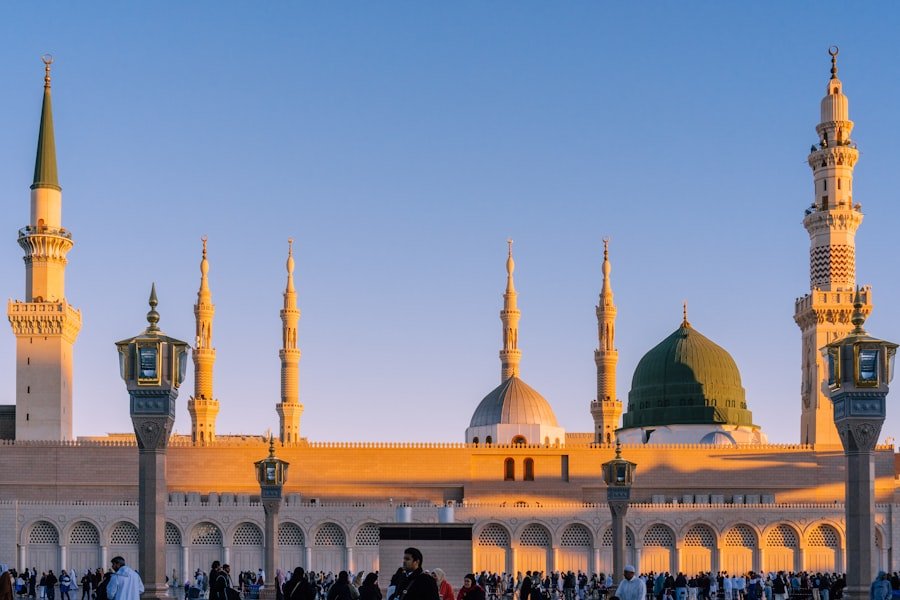
The nuances of the Arabic language extend beyond grammar and vocabulary; they encompass cultural subtleties that shape communication styles among speakers. For instance, politeness strategies vary significantly across different Arabic-speaking cultures, influencing how individuals express requests or disagreements. Understanding these nuances is crucial for effective interaction, as it demonstrates respect for cultural norms and fosters positive relationships.
Additionally, idiomatic expressions are prevalent in Arabic conversations, often reflecting cultural values or historical references. Learners who familiarise themselves with these expressions will find themselves better equipped to navigate social interactions and engage meaningfully with native speakers. By delving into the nuances of the language, learners can develop a more profound appreciation for the richness of Arabic communication.
Developing a deeper appreciation for Arabic literature and poetry
Arabic literature boasts a long and illustrious history, encompassing a diverse array of genres from classical poetry to contemporary novels. Engaging with this literary tradition allows learners to explore themes such as love, identity, and social justice while also honing their language skills. The beauty of Arabic poetry lies not only in its rhythmic structure but also in its ability to convey deep emotions and complex ideas through metaphorical language.
As learners delve into works by renowned authors such as Naguib Mahfouz or Khalil Gibran, they will encounter rich narratives that reflect the cultural tapestry of the Arab world. This exposure not only enhances linguistic proficiency but also fosters empathy and understanding towards diverse perspectives. By appreciating Arabic literature, learners can connect with the historical and cultural contexts that have shaped the language over centuries.
Strengthening your overall language proficiency
Achieving proficiency in Arabic requires a multifaceted approach that encompasses listening, speaking, reading, and writing skills. Each component plays a vital role in developing overall language competence. Engaging in conversations with native speakers provides invaluable opportunities for practising pronunciation and fluency while also reinforcing vocabulary acquisition.
Moreover, utilising multimedia resources such as podcasts, films, and music can enhance listening skills and expose learners to various dialects and accents within the Arabic language. By immersing themselves in authentic materials, learners can strengthen their comprehension abilities while also gaining insights into contemporary Arab culture. This holistic approach to language learning ensures that learners develop well-rounded proficiency that extends beyond mere textbook knowledge.
Connecting with Arabic speakers on a deeper level
Language serves as a powerful tool for connection, enabling individuals to forge meaningful relationships across cultural boundaries. By learning Arabic, individuals can engage more deeply with native speakers, fostering mutual understanding and respect. This connection goes beyond mere communication; it allows for shared experiences and insights that enrich both parties.
Participating in community events or cultural exchanges can further enhance these connections by providing opportunities for authentic interactions with Arabic speakers. Whether through attending local festivals or joining language exchange programmes, learners can immerse themselves in the vibrant tapestry of Arab culture while building lasting friendships.
Opening doors to career and academic opportunities
Proficiency in Arabic opens up a wealth of career opportunities across various fields such as diplomacy, international relations, education, journalism, and business. As globalisation continues to expand, organisations increasingly seek individuals who possess linguistic skills alongside cultural competence. Being fluent in Arabic not only enhances employability but also positions individuals as valuable assets within multicultural teams.
In academia, knowledge of Arabic can lead to research opportunities focused on Middle Eastern studies or Islamic culture. Scholars who are proficient in the language can access primary sources that enrich their understanding of historical events and contemporary issues within Arab societies. Thus, learning Arabic not only broadens career prospects but also contributes to personal growth through intellectual exploration.
Cultivating a deeper understanding of the Arabic culture and heritage
Finally, learning Arabic provides an invaluable gateway into the rich cultural heritage of the Arab world. From traditional music and dance to culinary delights and art forms, each aspect of Arab culture reflects its unique history and values. By engaging with the language, learners gain insights into customs, traditions, and social norms that shape everyday life in Arab societies.
At institutions like the NLS Norwegian Language School in Oslo, students have access to specialised courses that focus on both language acquisition and cultural immersion. The school’s emphasis on Arabic courses allows learners to explore not only linguistic skills but also the broader cultural context that informs communication practices within Arab communities. This holistic approach fosters a deeper appreciation for the complexities of Arab culture while equipping students with practical skills for navigating diverse environments.
In conclusion, embarking on the journey of learning Arabic offers numerous benefits that extend far beyond mere linguistic proficiency. From understanding its foundational elements to appreciating its rich literary tradition, each step taken towards mastering this beautiful language opens doors to new experiences and connections within the Arab world. Institutions like NLS Norwegian Language School play a pivotal role in facilitating this journey by providing comprehensive courses that blend language learning with cultural exploration—an essential combination for anyone seeking to engage meaningfully with Arabic-speaking communities.
Ready to speak Arabic? Enroll for Arabic classes at the NLS Norwegian Language School in Oslo!




